Over 12,000 fans rushed out of a Manchester arena during a Don Toliver concert after reports of suspected tear gas caused widespread panic and coughing in the crowd.
Chaos erupted mid-show. People started choking, eyes watered, and within minutes security cleared the entire venue onto the streets of Manchester.
If you've ever been inside a packed arena when something goes wrong in the air, you know how fast the mood shifts. One second you're singing along to heavy bass. The next, everyone around you is covering their faces and pushing toward the nearest exit sign.
How the Don Toliver Manchester Evacuation Unfolded
The incident happened during Don Toliver's stop in Manchester, bringing a crowd of more than 12,000 people to a sudden halt. Early reports from concertgoers and local authorities pointed to a noxious substance—widely described at the scene as suspected tear gas or pepper spray—being released inside the arena floor area.
Nobody waits around to verify chemical compounds when their throat burns.
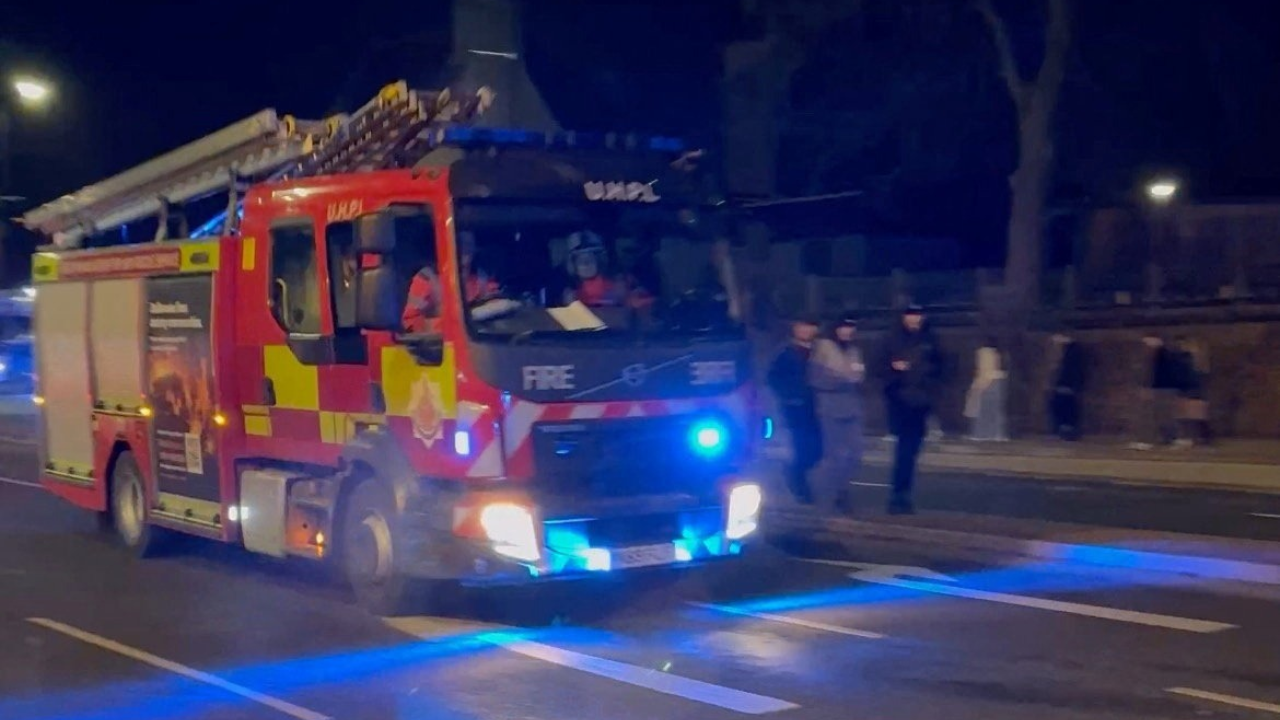
Attendees near the front and lower tiers noticed an irritating smell and immediate physical reactions. Coughing spread in waves. Within moments, venue staff and emergency responders initiated a full evacuation of the building, moving all 12,000-plus ticket holders outside while specialist teams assessed the air quality and swept the venue.
Why Chemical Irritants Trigger Instant Crowd Panic
Most people confuse tear gas with pepper spray, and honestly, inside a dark concert venue with strobe lights and loud music, they feel pretty much identical at first. Both are lachrymatory agents designed to overwhelm your mucous membranes.
Here's why venues take even a tiny discharge so seriously:
- Enclosed airflow systems. Modern arenas circulate massive volumes of air through centralized HVAC units, which can pull an irritant from a single pit section and push it across lower and upper bowls in under two minutes.
- Secondary stampede risk. The chemical itself rarely causes permanent harm in open air, but the fear it creates causes people to sprint toward bottlenecks, stairwells, and narrow concourses.
- Zero visibility. When thousands of eyes swell shut simultaneously, basic wayfinding disappears.
Security teams in major UK venues operate under strict post-2017 crowd safety protocols. After the Manchester Arena bombing, venue operators across the city overhauled how they respond to unexplained air quality incidents or sudden crowd surges. You don't gamble with "wait and see" in Manchester. You clear the bowl immediately and sort out the forensics later.
What Venue Security Actually Looks For After an Incident
Once 12,000 people are standing on the pavement outside, the real work begins inside. Emergency services, including Greater Manchester Police and fire rescue hazardous materials units, follow a rigid sequence before anyone is allowed back near the doors—or before the show is officially called off.
First, crews ventilate the space by running exhaust fans at maximum capacity. While the air clears, investigators review high-definition CCTV footage covering the pit and lower concourses. Modern arena cameras can track a single person raising an aerosol canister even in near-darkness, especially when cross-referenced with the exact timestamp of the first wave of coughing.
They also swab surfaces and collect discarded canisters. In almost every similar arena incident across the UK and Europe, the culprit isn't military-grade CS gas—it's usually a pocket-sized self-defense spray smuggled past bag checks, or occasionally a prank gone terribly wrong. Under UK law, carrying pepper spray or CS gas in public isn't a minor misdemeanor. Under Section 5 of the Firearms Act 1968, those sprays are classified as prohibited weapons, carrying serious criminal penalties.
What Most Concertgoers Get Wrong About Arena Security Checks
People love complaining about slow security lines and strict clear-bag policies at big shows. Then something like the Don Toliver evacuation happens, and everyone asks how a canister got inside in the first place.
Walk-through metal detectors are calibrated to catch large metallic objects—knives, firearms, heavy tools. A small plastic-bodied spray canister with a tiny aluminum valve often slips right past standard magnetic thresholds unless security conducts thorough pat-downs or uses millimeter-wave scanners. When 12,000 fans show up 45 minutes before the headliner takes the stage, venue staff face brutal pressure to get people through the doors before showtime.
Speed and thoroughness fight each other at every arena entrance on earth.
Practical Steps If You're Caught in a Venue Air Incident
If you ever find yourself at a concert when people suddenly start coughing or rubbing their eyes, don't freeze and don't film it for social media.
- Cover your nose and mouth immediately. Pull your shirt collar up over your face to filter droplets, and breathe slowly through your nose rather than gasping through your mouth.
- Move perpendicular to the crowd surge. Don't push straight into the main tunnel bottleneck if side exits or upper concourse doors are open.
- Never rub your eyes. Irritants bond with skin oils; rubbing grinds the chemical deeper into your eyelids and makes vision recovery take twice as long.
- Flush with plain water once outside. Cool water—not milk, not wipes—is what emergency medics use to clear irritants from skin and eyes.
Check official announcements from the venue and ticket provider directly for refund or rescheduling updates rather than relying on rumors circulating on social media, and keep your digital ticket confirmation saved until the promoter issues formal guidance.