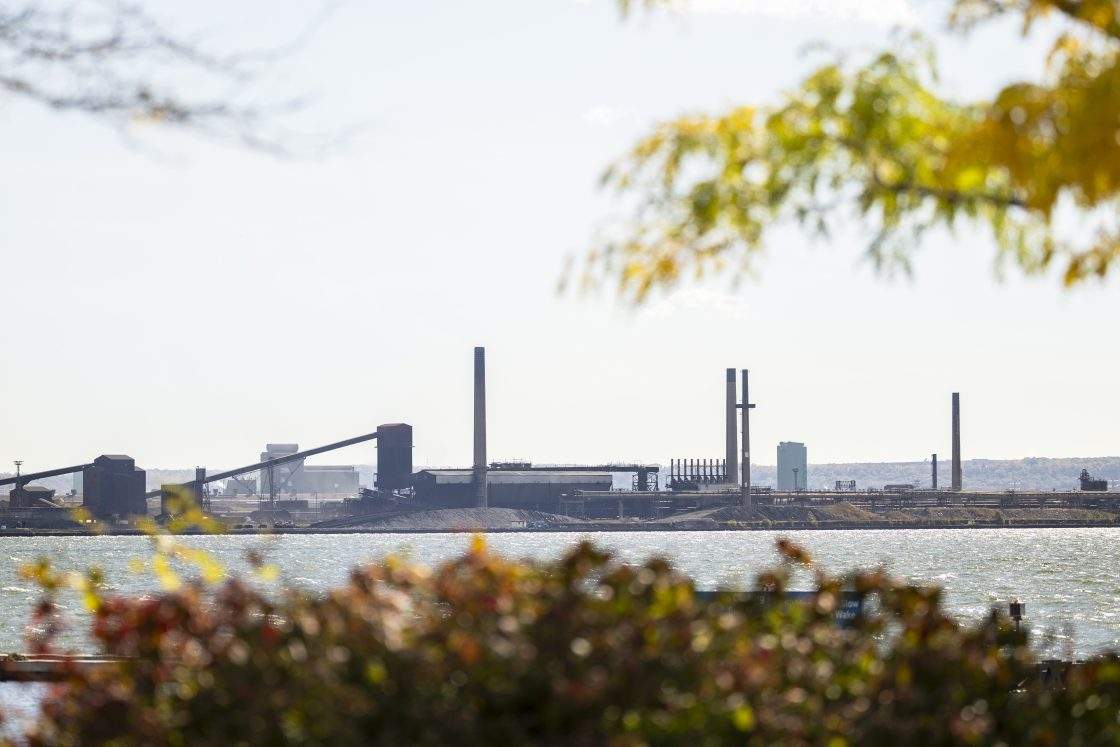
The threat of a forced sale changed everything in a single afternoon. When Ottawa pushed Stelco layoffs to the brink of a court battle, the fight stopped being a routine mill slowdown and turned into a high-stakes test of Canadian industrial sovereignty.
Here's the twist most older headlines miss: the showdown didn't end in a drawn-out courtroom war. On November 13, 2026, Stelco's American parent company, Cleveland-Cliffs, agreed to recall all 175 laid-off workers at its Hamilton, Ontario plant starting December 1 and pay them back wages for the time off.
Still, calling the dispute settled is a bit premature. What started over autumn layoffs at Stelco exposed deep fault lines in cross-border steel policy, tariff shockwaves, and how far Ottawa is willing to go to enforce foreign-takeover promises.
How the Stelco Layoffs Clash Escalated
Fall 2026 hit Hamilton's steel sector fast. Early layoff notices rolled out in October after Stelco moved to idle cold-rolled and coated operations in Hamilton, with union leaders and initial reports warning that anywhere from 300 to 500 jobs could be hit across Hamilton and Lake Erie.
Company leadership pointed to severe trade headwinds, including steep U.S. tariffs on Canadian steel. From Cleveland-Cliffs' angle, demand pressures and tariff friction made idling lines look like a defensive move until customer orders stabilized.
Federal Industry Minister Mélanie Joly saw it very differently. Ottawa issued strict deadlines—first five days to produce a job-saving plan, then fifteen days to reverse the layoffs—warning that Stelco layoffs could violate binding commitments made when Cleveland-Cliffs acquired the Canadian steelmaker in 2024.
When Ottawa puts a forced divestiture on the table, it isn't just scolding a company over headcount. It's reminding foreign buyers that Canadian industrial commitments have teeth.
That pressure ramped up sharply in mid-November. Joly warned that Ottawa could seek a court order forcing Cleveland-Cliffs to sell Stelco if the company didn't respond, while also asking the Competition Bureau to look into aspects of the 2024 deal after remarks by Cleveland-Cliffs CEO Lourenco Goncalves drew intense scrutiny.
Investment Canada Act Teeth vs. Trade Reality
If you watch cross-border M&A closely, you know foreign buyers routinely make undertakings to win approval under the Investment Canada Act. On paper, those pledges cover jobs, investment, and Canadian operations. In practice, enforcing them mid-trade-war gets messy fast.
As business lawyer Nassira El Hadri noted during the dispute, the full legal text of undertakings isn't always public—outsiders mostly see summaries while government lawyers weigh enforcement options. That gap creates real uncertainty. A company can argue that external trade shocks changed market conditions, while Ottawa argues that binding commitments still apply.
Meanwhile, politics got loud. Some union voices and New Democrat leaders floated nationalizing Stelco, arguing that strategic steel capacity shouldn't sit at the mercy of cross-border corporate strategy. Personally, I'm skeptical that full nationalization is Ottawa's first instinct—it brings massive balance-sheet risk and operating headaches—but the threat of forced divestiture and legal action clearly got Cleveland-Cliffs' attention.
What the December Recall Means for Workers and Mills
Recalling all 175 affected Hamilton workers with back pay is a tangible win for United Steelworkers Local 1005 president Ron Wells and the employees who spent weeks in limbo. Getting regular missed wages back matters way more than political speeches when rent and bills don't pause.
Even so, a few practical realities are worth keeping straight:
- Restart takes weeks, not hours. Restarting idled steel lines takes coordinated logistics and customer commitments, which is why the recall is scheduled for December 1 with ramp-up taking several weeks.
- Tariff pressure hasn't vanished. Steel producers in North America are still navigating steep tariff walls, shifting supply chains, and uneven customer demand.
- Legal and regulatory scrutiny lingers. Even with the recall announced, questions around commitments, competition scrutiny, and broader industrial policy in Ontario haven't disappeared overnight.
Honestly, this episode shows how fragile modern industrial leverage can be. A single tariff shift can squeeze margins in days, while court battles over takeover pledges can drag on for months. Threatening a forced sale worked as a pressure tactic here—and it may shape how Ottawa polices foreign industrial deals going forward.
Practical Steps If You're Following or Affected by the Dispute
If you're a worker, local supplier, or policy watcher tracking what comes next, don't rely on rumors or old layoff tallies. Watch the official recall timeline for December 1 and check directly with United Steelworkers Local 1005 or company notices for shift and restart schedules.
If you run a manufacturing or supply business tied to Canadian steel, review order backlogs and lead times for late 2026 and early 2027 so a gradual mill restart doesn't catch your production schedule off guard. And if you're following the policy side, track official statements from Innovation, Science and Economic Development Canada and the Competition Bureau rather than taking social media speculation at face value.
Stelco to recall 175 laid-off workers after government turns up the
This video recap covers the federal government's legal pressure on Cleveland-Cliffs and the resulting recall of laid-off Stelco workers.