A Boeing 737 MAX 8 plunged more than 16,000 feet in under a minute over the borderlands of Saudi Arabia and Jordan, and somehow every single person aboard survived.
When headlines first broke about an Israel-bound plane making an emergency landing in Saudi Arabia, most readers got a quick wire roundup of regional chaos: a cockpit attack, scrambled jets, a safe touchdown in Tabuk, and a handful of other Middle East stories tacked onto the end. That surface-level snapshot misses the real drama—and the ongoing fallout—of Flydubai Flight 1073. Nearly seven weeks after the September 30, 2026 scare, the incident isn't just a bizarre aviation story. It's a test case for cockpit security, cross-border crisis coordination, survivor compensation, and fragile air links between the Gulf and Israel. Meanwhile, you can read related developments here: Why Andy Burnham Left the Room When It Mattered Most.
Let's be honest: wire roundups bundle too much together. Putting a near-catastrophe at 34,000 feet next to unrelated regional skirmishes makes it harder to see how close Flight 1073 came to disaster—and why direct flights between Dubai and Tel Aviv are still frozen well into November.
Why the Flydubai Flight 1073 Emergency Still Matters
You might think a story from late September is old news by mid-November. It isn't. To see the full picture, we recommend the detailed analysis by The New York Times.
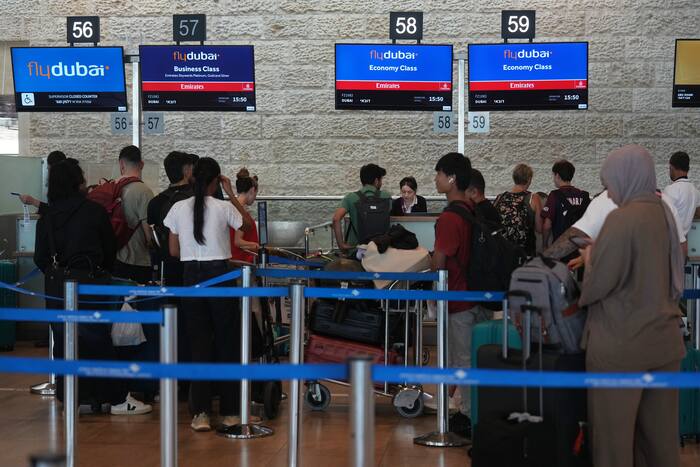
Flydubai extended the suspension of regular flights between Dubai and Ben Gurion Airport through December 15, 2026, leaving the corridor without standard direct service from the carrier for over two months. At the same time, Israeli airlines like El Al have pushed back planned restarts on the route amid unresolved security disagreements. For travelers, business fliers, and families moving between the UAE and Israel, the fallout is very real.
There's also a human side that gets glossed over once the breaking-news cameras pack up. Survivors who helped restrain the attacker and watched a sharp dive unfold midair have been pushing Israeli authorities for formal recognition as terror victims, while some passengers prepare massive lawsuits. Meanwhile, investigations involving UAE, Saudi, and Israeli authorities have reshaped how officials talk about insider threats on commercial flights.
Inside the Midair Crisis Over Saudi Arabia
Flight FZ1073, operating a Boeing 737 MAX 8 (registration A6-FKF), left Dubai International Airport around 7:05 a.m. GST on September 30, 2026, bound for Ben Gurion Airport near Tel Aviv with 172 passengers and 8 crew members aboard. Roughly two hours later, near the Saudi Arabia–Jordan border, routine flight turned into a desperate fight for control.
According to passenger accounts and official statements cited in reporting, first officer Hamam al-Hammami attacked captain Smit Machchhar with a cockpit crash axe and pushed the jet into a steep descent. Telemetry showed the aircraft dropping from roughly 34,000 feet down to around 17,000 feet in less than a minute, hitting speeds near 600 mph. When a commercial airliner dives that fast at high altitude, aerodynamic loads spike quickly. Photos taken after landing showed major rudder damage consistent with overspeed stress during the rapid drop.
How Passengers and Crew Recovered the Jet
Here's what separates Flight 1073 from worst-case cockpit emergencies in aviation history: the door didn't stay locked against help. As the struggle spilled out and the captain opened the cockpit door, passengers stepped in to subdue the attacker—initially using headphone wires before securing him with cable ties—while a passenger who was a dentist tended to the wounded captain.
Two Flydubai pilots who were deadheading on the flight—traveling as passengers rather than working the scheduled duty—helped take over up front and flew the damaged jet down to Prince Sultan bin Abdulaziz Airport in Tabuk, northwestern Saudi Arabia, landing safely around 10:45 a.m. GST (9:45 a.m. SAST). Every single one of the 180 people on board survived.
That detail deserves real appreciation from anyone who flies regularly. Most of us assume cockpit doors are impenetrable walls designed solely to keep bad actors out. They are. Yet in rare cases where a flight-deck crew member turns violent or incapacitated, having trained pilots deadheading in the cabin and calm bystanders willing to act can mean the difference between a tragic headline and a miraculous landing.
Transponder Codes, Scrambled Jets, and Diversion Hurdles
Tracking data from services like Flightradar24 showed the aircraft squawking 7700 (general emergency), switching to 7500 (unlawful interference or hijacking), and later returning to 7700 on the approach to Tabuk. For roughly half an hour without clear contact, tension spiked on the ground.
Israeli officials confirmed fighter jets were scrambled amid hijacking fears before the aircraft turned back toward Saudi Arabia and the jets were recalled. Even finding a runway wasn't instantaneous. Reports indicated Saudi air traffic control initially denied clearance and pointed toward Jordan, where clearance was delayed and denied before the crew returned to Saudi airspace and landed in Tabuk.
That sequence highlights a practical truth about Middle East aviation. Normalcy agreements and overflight arrangements don't automatically make an emergency diversion frictionless when security alerts are flashing. Controllers and militaries across borders weigh sovereign airspace rules and threat assessments in real time.
The Bigger Regional Picture Behind the Headlines
Wire roundups often pair an incident like Flight 1073 with wider Middle East developments—such as cross-border strikes in southern Lebanon, unrest and executions in Iran, maritime disruptions in the Red Sea and Gulf waterways, and diplomatic strain—because all of them unfold in the same tense neighborhood.
Grouping them together makes sense for a daily news wire. Still, conflating them can muddle what investigators actually found. UAE authorities later characterized the Flight 1073 cockpit breach as an attempted suicide attack targeting Ben Gurion Airport by the assistant captain, with reports pointing to extremist imagery on his social media rather than a proven state-directed plot.
At the same time, the timing mattered politically and emotionally. The flight happened days before the October 7 anniversary and ahead of Israeli national elections, at a moment when travelers were already on edge and security agencies were juggling multiple regional flashpoints. When a plane carrying Israelis, Emiratis, Indians, Americans, and others goes silent after a 7500 code, fear spreads fast—even when the root cause turns out to be an insider cockpit attack rather than an external missile or coordinated raid.
Common Misconceptions About the Incident
A few myths popped up right away as partial reports circulated online. Let's clear them up cleanly.
- Myth: A brawl between two pilots caused a routine accident. Early word of a cockpit altercation made it sound like a sudden personal fight. Subsequent reporting and statements from UAE officials pointed instead to a deliberate attempt by the first officer to seize control and crash the aircraft toward Ben Gurion Airport.
- Myth: Saudi Arabia refused to save the plane. Initial diversion hurdles and back-and-forth clearances created confusion, especially since Saudi Arabia and Israel do not have formal diplomatic ties. In the end, the plane landed safely at Tabuk, authorities took the suspect into custody, and passengers were later flown on to Israel.
- Myth: Every Gulf-to-Israel flight is shut down permanently. Flydubai's direct flights between Dubai and Tel Aviv are suspended through mid-December 2026, and Israeli carriers face ongoing security hurdles, yet Etihad Airways has continued operating regular flights between Abu Dhabi and Ben Gurion Airport.
What Travelers and Observers Should Watch Next
If you're flying through the region, tracking aviation security, or following diplomatic ties between the Gulf and Israel, a few concrete developments will tell you where things stand:
- Check carrier schedules before booking direct Dubai–Tel Aviv legs. With Flydubai's suspension running through December 15, 2026, and El Al's restart pushed to the same window, verify whether your specific flight is operating or rerouted through another hub such as Abu Dhabi.
- Watch for official aviation and security findings. Look for formal investigative details from the UAE, Saudi Arabia, and Israel regarding cockpit access protocols, psychological screening, and cross-border emergency handling.
- Follow the legal and victim-recognition battles. How Israel's Defense Ministry, security agencies, and courts handle survivor claims and lawsuits will set an important precedent for civilians caught in midair terror or cockpit emergencies.
For the rest of us, the takeaway is simple: even in a volatile region where headlines collide every single day, discipline, quick thinking, and shared human instinct in a narrow aluminum tube can still pull an airplane back from the brink.