Reality television casting teams are trapped in a loop. They find the perfect personality, clear them for production, drop them into a multimillion-dollar show, and then watch everything blow up when a viewer spends five minutes scrolling through the contestant’s old social media uploads.
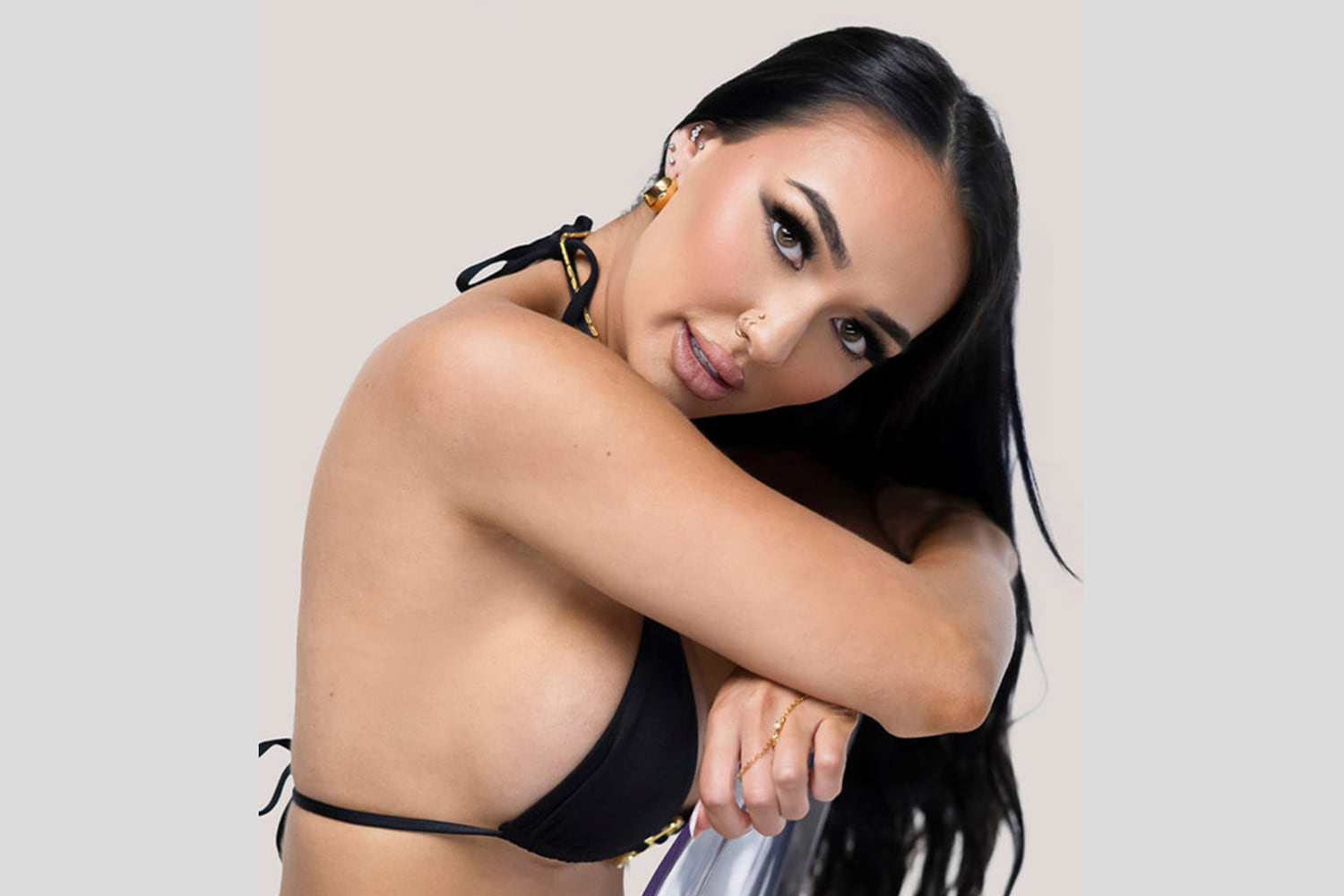
The latest casualty of this broken system is Vasana Montgomery, a scheduled contestant for the newest season of Peacock's massive hit Love Island USA. Before the premiere episodes even dropped, Montgomery was scrubbed from the roster. The reason? Resurfaced social media videos showing her using a racial slur. For a deeper dive into this area, we suggest: this related article.
The Repetitive Cycle of Reality TV Exits
Montgomery quickly released a public statement, stating there was "no excuse" for her past language. But her sudden exit is part of a pattern for the Love Island USA production team. The show has a history of letting problematic past behavior slip through the cracks, only to face immediate backlash from internet sleuths.
Love Island USA Resurfaced Controversies:
- Yulissa Escobar: Removed after clips surfaced of her using racist language.
- Cierra Ortega: Booted a week before the finale after an anti-Asian slur resurfaced.
- Vasana Montgomery: Disqualified before the 2026 premiere for a racial slur video.
Last year, the series dealt with the exact same issue on multiple occasions. Yulissa Escobar was quietly removed from the villa after just two episodes when footage emerged of her using the N-word. Shortly after, Cierra Ortega, who had navigated her way into one of the strongest couples on the show, was abruptly kicked off the island just a week before the finale. Viewers had uncovered a 2024 Instagram story where Ortega used a racial slur against Asian people to describe the results of a cosmetic treatment. For broader information on this topic, in-depth reporting is available on Rolling Stone.
Ortega released a five-minute accountability video acknowledging her ignorance. She admitted that a follower had previously called her out for the word, prompting her to delete it from her vocabulary, but the damage was already done.
Why Network Background Checks Keep Missing Everything
If everyday viewers on TikTok and X can find these offensive videos within hours of a cast announcement, why can't casting directors find them during months of pre-production?
People working behind the scenes in reality TV production often blame the sheer volume of content. Producers look at thousands of applications, conduct interviews, and order standard background checks. Most networks hire third-party social media screening companies to flag problematic posts.
But these automated screening tools frequently fail. They look for specific keywords and text-based flags. They struggle with context, deleted accounts that have been archived by third parties, or language spoken in short, low-quality video clips on apps like TikTok or Snapchat.
The industry relies heavily on talent agents and the contestants themselves to be upfront about their digital pasts. Contestants often hide past behavior, hoping nobody will dig deep enough to find it.
The Real Cost of Reality TV Callouts
When a contestant gets booted for racist language, the fallout spreads far beyond the production studio. The internet often turns into an unforgiving mob, making safety a real issue for the people involved.
Following her removal last year, Ortega revealed that the online backlash severely impacted her family. Angry viewers went as far as calling immigration authorities on her relatives, leaving them feeling unsafe in their own homes.
Escobar shared a similar sentiment after her own exit, expressing that she was terrified to return home after receiving a flood of online threats.
"I know what I said was wrong... All I ask you guys is instead of threatening her and her family, try to educate us, her, me." — Yulissa Escobar
The network's current strategy of quietly removing contestants and using host Iain Stirling to announce departures due to "personal situations" isn't working. It leaves viewers feeling like the show is trying to sweep structural casting failures under the rug.
Cleaning Up Digital Footprints Before Applying to Reality TV
If you are trying to get cast on a major reality show, you cannot rely on production's screening process to save you from future embarrassment. You need to manage your own digital past before your name ever reaches a casting director.
- Download your data archives. Request complete data downloads from your X, Instagram, TikTok, and Facebook accounts. This lets you search your entire history for offensive terms, outdated slang, or questionable context.
- Audit your video content manually. Automated tools can miss spoken words in old videos. Go back through your old stories, reels, and short-form video content to ensure nothing can be misinterpreted.
- Deactivate old, forgotten profiles. Check older platforms like Ask.fm, Tumblr, or old YouTube accounts that might still be active under an old email address.
- Be honest with producers early. If you know a problematic video or post exists that you can't delete, tell the casting team upfront. Production hates surprises. Letting them know early allows them to decide how to handle it, rather than forcing them to scramble during filming.
The pattern of casting drops on Love Island USA shows that networks need to completely revamp their screening process. Until production teams start prioritizing human-led, deep-dive internet searches over cheap, automated background scans, viewers will keep doing the job for them.