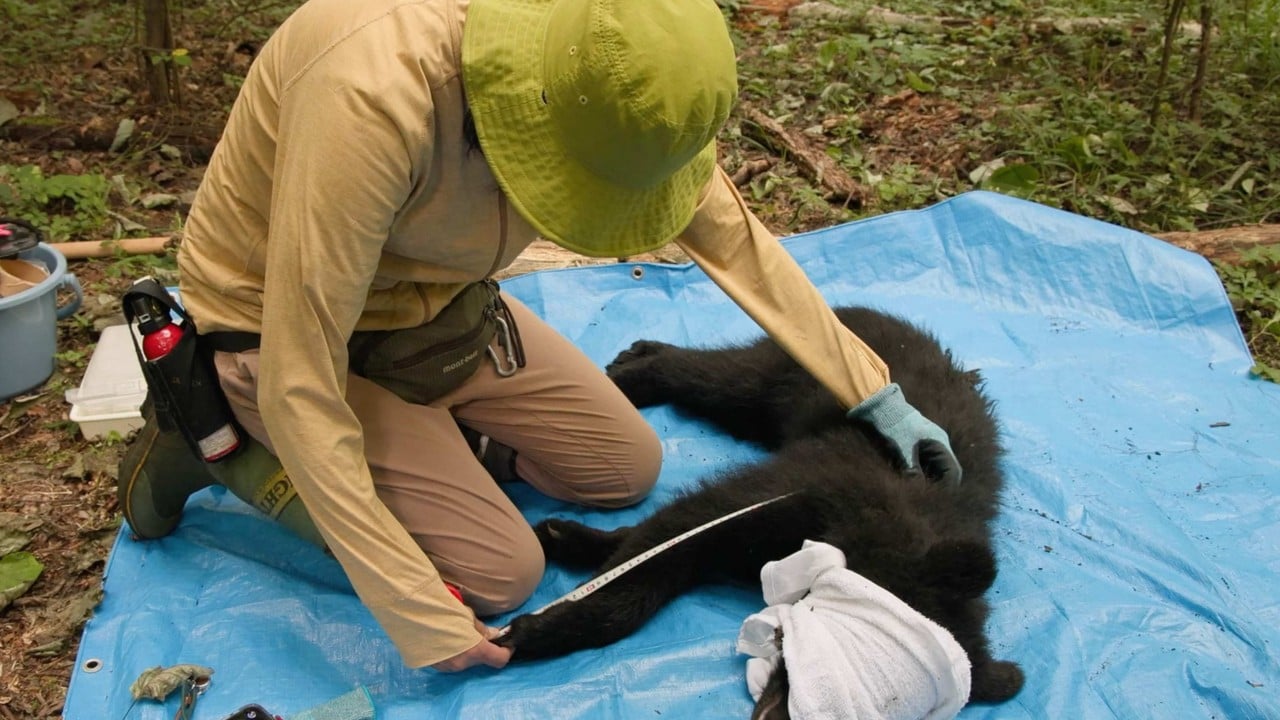
Japan killed more than 14,000 bears between April 2025 and January 2026, a brutal escalation driven by a surge in human casualties that left 13 dead the previous year. Despite this staggering cull—which erased roughly a quarter of the country's estimated Asiatic black bear population—six more people were killed in subsequent attacks, proving that heavy-handed extermination campaigns cannot solve a systemic ecological crisis. The national strategy relies on a flawed premise: that reducing raw animal numbers will automatically secure human safety.
Decades of rural depopulation have hollowed out Japan's mountain communities, leaving orchards unharvested and villages vulnerable as the forest boundary creeps closer to human homes. Climate shifts have also thrown forest ecosystems into chaos, resulting in repeated failures of the beech nut and acorn harvests that bears depend on before winter hibernation. When the mountains stop producing calories, animals look elsewhere. They find open garbage bins, unattended fruit trees, and quiet streets in towns that once kept them at bay through active land management.
Government officials point to a severe shortage of licensed hunters to justify the mass trapping effort. The hunting demographic has aged out, with numbers dropping by more than half since 1975, leaving vast tracts of regional Japan entirely unmanaged. When panic sets in, local authorities default to lethal removal because the infrastructure for non-lethal management simply does not exist at a national scale.
Yet exceptions to this cycle of slaughter do exist. In the mountain resort town of Karuizawa, a local conservation group called Picchio has demonstrated that prevention and behavioral management work. Operating since the 1990s, their teams deploy Karelian bear dogs imported from the United States to haze animals back into the deep woods, tranquilize and relocate persistent offenders, and work directly with residents to secure garbage and remove attractants. No human has been attacked by a bear in the Karuizawa area since 2015.
Scaling these localized success stories requires confronting bureaucratic inertia and changing how regional authorities handle wildlife response. Japan's Environment Ministry introduced guidelines encouraging barriers, electric fencing, and waste containment, but enforcement varies wildly by prefecture. Traps remain cheaper and easier to deploy than long-term habituation training or structural habitat restoration.
Conservation groups like the Japan Bear and Forest Society argue that killing thousands of animals every year triggers a false sense of security while accelerating the threat of regional extinctions. Without addressing the fundamental drivers—abandoned rural landscapes, erratic food supplies caused by warming temperatures, and poorly managed community garbage—every bear removed from the ecosystem leaves a vacant ecological niche quickly filled by another hungry wanderer.
The government plans to target thousands more animals in the upcoming fiscal cycle, continuing an expensive war of attrition against a native species backed into an urbanizing corner. Until public policy shifts resources from reactive culling to proactive, community-wide defense, the casualties on both sides will keep mounting.