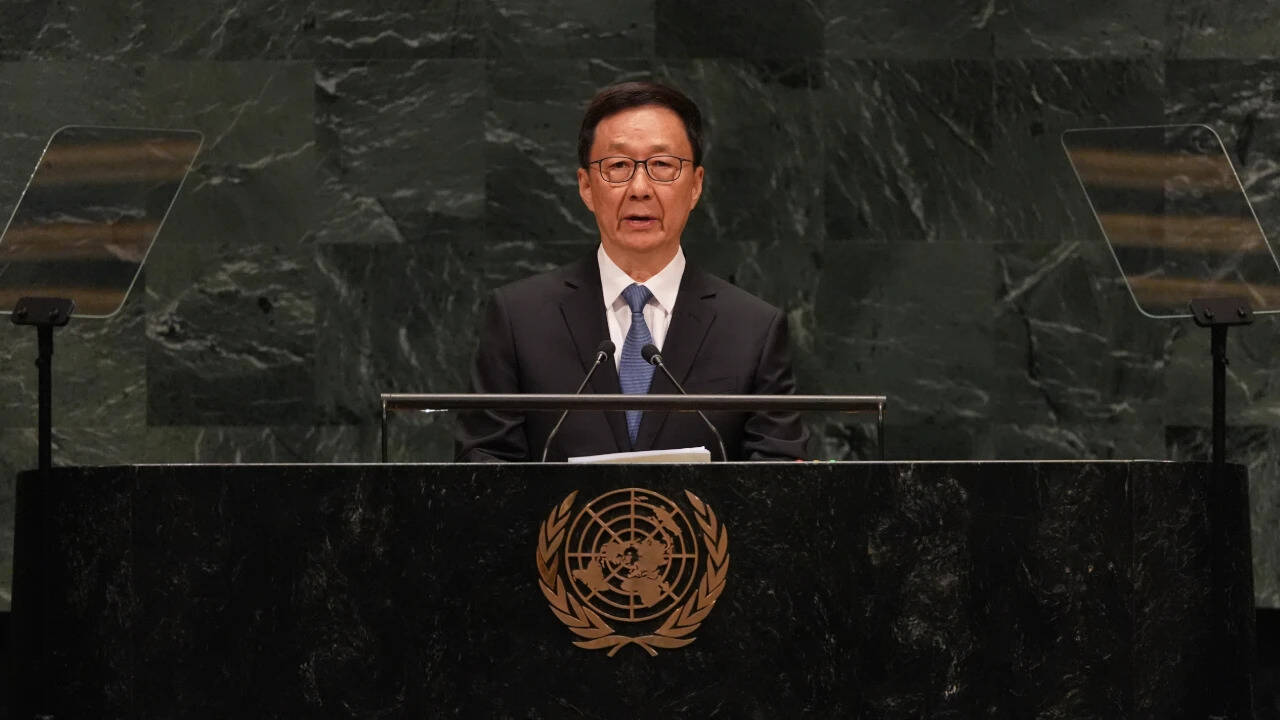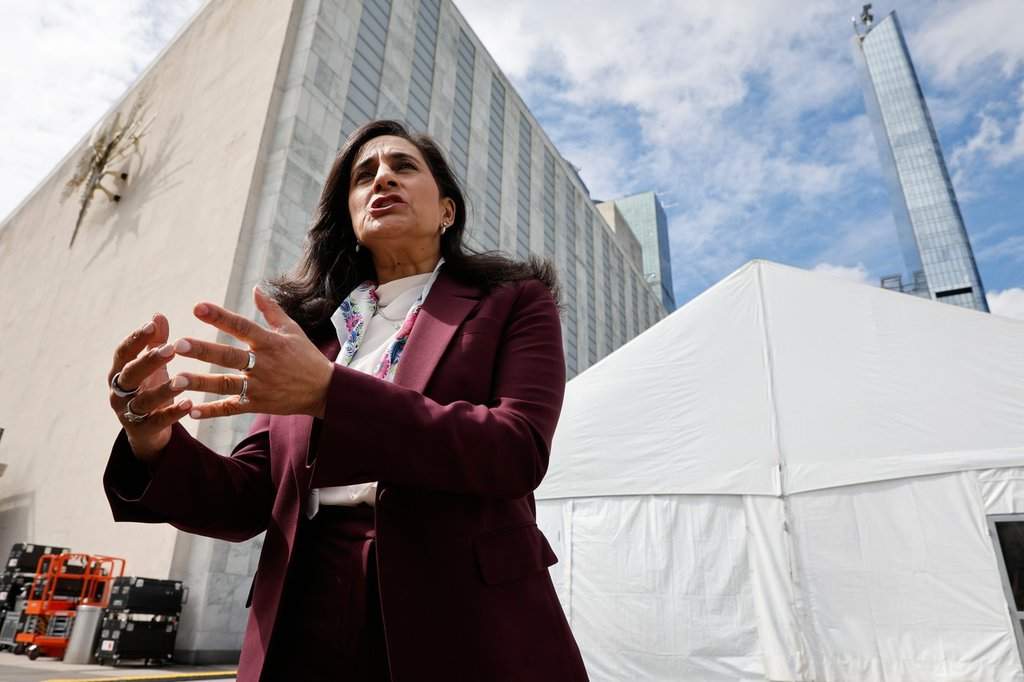
When Foreign Affairs Minister Anita Anand stepped up to the podium at the United Nations General Assembly, she was not just reading another routine diplomatic script. She was anchoring a profound institutional pivot. For decades, Canadian foreign policy functioned on autopilot, anchored by the comfortable assumption that traditional alliances and multilateral institutions would always provide a safety net. That assumption has cracked. Behind the carefully chosen diplomatic phrasing of her UN address lies a harsher reality. Middle powers are losing their cushion in a fragmenting global order, and Ottawa is finally scrambling to adapt to a world where old guarantees no longer apply.
The immediate catalyst for this strategic anxiety is clear to anyone watching trade flows and security pacts. Unilateralism and economic protectionism are dismantling the post-war commercial architecture. When major economies start turning inward, nations heavily reliant on external trade find themselves exposed to severe economic friction. Anand's address emphasized diversification away from an over-reliant North American axis, pointing toward new economic corridors in Europe, Asia, and Africa. But diversifying trade is easier announced in a speech than executed on the ground. Decades of cozy, frictionless integration with a single dominant market left domestic industries ill-equipped for the brutal realities of multi-market competition.
This diplomatic repositioning also exposes deep friction regarding defense spending and sovereignty. For generations, critics accused Ottawa of free-riding on the security umbrellas of larger partners. When Anand pointed to recent multi-billion-dollar commitments to upgrade military capabilities and secure Arctic frontiers, she was addressing a long-overdue reckoning. The Arctic is rapidly transforming from a quiet expanse into a contested geopolitical arena. Foreign actors are probing northern boundaries, and maritime routes through the polar ice are opening faster than military planners can secure them. Spending money on icebreakers and surveillance infrastructure is necessary, but translating those capital allocations into actual operational readiness in sub-zero environments takes years that Canada may not have.
The tension between rhetoric and capability defines the current dilemma of middle-power diplomacy. At the UN, ministers can invoke the rules-based international order as much as they want, but international law ultimately relies on enforcement mechanisms that middle powers cannot unilaterally command. Whether dealing with protracted conflicts in Eastern Europe or volatile flashpoints in the Middle East, Canada's actual leverage is remarkably constrained. Voting patterns and moral declarations do not stop ballistic missiles or compel rogue states to respect sovereignty.
Furthermore, the domestic political economy complicates every external ambition. A country trying to overhaul its defense procurement while managing domestic inflation and housing pressures faces severe fiscal gravity. Every dollar diverted to naval frigates or Indo-Pacific surveillance programs is a dollar not spent on domestic healthcare or infrastructure. Citizens feeling the pinch of economic strain are rarely in the mood to fund grand international strategies, no matter how vital they are for long-term security.
Yet the alternative to active engagement is complete irrelevance. If middle powers stop showing up to international forums, the vacuum is promptly filled by actors with zero regard for multilateral norms. Anand’s appearance at the General Assembly signaled that Ottawa refuses to retreat into total isolation, but it also marked the end of an era of naive optimism.
The hard truth is that survival in the current global disorder requires more than eloquent speeches in New York. It demands industrial resilience, disciplined defense spending, and a permanent end to the comfortable illusion that geography alone can protect a trading nation from the storms brewing abroad.