Bentley Motors is cutting nearly 300 jobs at its historic Crewe headquarters, a move the company blames on a "challenging global market." On the surface, the story is a familiar one of post-pandemic cooling and shifting trade winds. However, a deeper look at the luxury manufacturer's 42% plunge in operating profits reveals a more systemic crisis. The brand is currently caught in a vice between aggressive US tariffs, a collapsing Chinese appetite for European luxury, and a high-stakes bet on electrification that has forced it to scrap four out of five planned electric models.
This is not just a temporary downturn. It is the first major fracture in the ultra-luxury segment’s "invincibility" shield. While Bentley has remained profitable for seven consecutive years, the 2025 financial results—reporting a drop to £187 million from the previous year’s £373 million—show that even the wealthiest consumers are finally flinching.
The China Problem and the Tariff Trap
The most immediate pressure on the Crewe factory floor comes from thousands of miles away. China, once the reliable engine of Bentley’s growth, has seen a sharp contraction in demand. The Chinese property crisis and a broader economic slowdown have turned "conspicuous consumption" into a liability. High-net-worth individuals in Shanghai and Beijing are no longer lining up for the Bentayga SUV with the same fervor, leading to a 5% drop in global deliveries.
Simultaneously, the return of protectionist trade policies in the United States has hit the brand where it hurts. The introduction of steep tariffs under the Trump administration has effectively taxed Bentley's British craftsmanship out of some American garages. Because Bentley produces every single one of its vehicles in Crewe, it lacks the localized manufacturing "hedge" that larger conglomerates like its parent, the Volkswagen Group, can sometimes employ.
The Billion Dollar EV Pivot That Failed
The job cuts, which primarily affect management and non-manufacturing roles, are a direct consequence of a massive strategic "readjustment." Bentley's original Beyond100 strategy was a bold, perhaps hubristic, promise to go fully electric by 2030. Reality has been less accommodating.
In a quiet but devastating reversal, Bentley has moved the goalpost for its first fully electric vehicle (EV) to late 2026, with deliveries not expected until 2027. More significantly, the company has effectively shelved four of its five planned EV models. The reason is two-fold:
- Platform Abandonment: The Volkswagen Group recently discontinued the D-segment platform that Bentley was relying on for its future fleet. This forced Bentley to swallow significant "one-off accounting hits" and write off the development costs of projects that will now never see the light of day.
- Consumer Resistance: Bentley’s own customer base has remained stubbornly loyal to the internal combustion engine. CEO Frank-Steffen Walliser has admitted there is "not a lot of demand" for pure electric power among the brand’s core buyers.
As a result, Bentley is pivoting back to hybrids, extending the life of its combustion engines until at least 2035. This "U-turn" is expensive. The company is forced to spend billions maintaining two entirely different powertrain technologies simultaneously while its revenue is shrinking.
The Luxury Paradox
Despite the layoffs, there is one area where Bentley is still finding gold: Personalization.
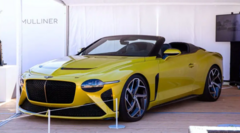
The brand has discovered that while they are selling fewer cars, they can charge significantly more for each one. Over 70% of customers now opt for "Mulliner" bespoke options, ranging from rare wood veneers to custom-stitched hides. This has pushed the average revenue per car up by 10% over the last two years.
| Metric | 2024 Performance | 2025 Performance | Change |
|---|---|---|---|
| Operating Profit | £373 Million | £187 Million | -42% |
| Global Deliveries | 13,560 units | 10,131 units | -4.8% (approx) |
| Workforce Impact | Expansion | 275 Jobs Cut | 6% reduction |
This "fewer but better" approach is a survival tactic, not a growth strategy. By cutting 275 jobs—roughly 6% of its 4,600-strong workforce—Bentley is attempting to lean out its overhead before the costs of its late-to-the-game EV transition become unmanageable.
The Human Cost in Crewe
For the town of Crewe, Bentley isn't just a business; it is the economic heart of the region. The GMB union has described the workforce as "stunned" by the news, which seemingly came without warning. While the production line workers are largely safe for now, the elimination of 150 permanent office roles and the end of various contractor positions signals a permanent shift in how the "Dream Factory" operates.
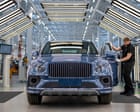
The company is currently building a new Integrated Logistics Centre and a modernized Paint Shop, but these are highly automated facilities. The uncomfortable truth is that an electric future—even a delayed one—requires fewer human hands than the intricate assembly of a W12 combustion engine.
Bentley is attempting to buy time. By retreating from its all-electric ambitions and slashing headcount, the marque is trying to insulate itself from a world that is becoming increasingly hostile to high-end British exports. Whether the "Mulliner" strategy can generate enough profit to cover the massive R&D bills for the 2027 EV remains the industry's most expensive question.
Watch the order books for the new V8 hybrid Continental GT carefully.