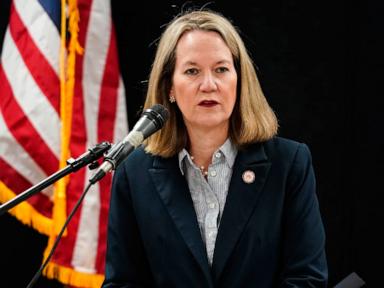
Arizona prosecutors have hit a wall in their high-stakes prosecution of the 2020 alternative electors. State prosecutors dropped the charges because procedural failures and grand jury leaks fundamentally compromised the integrity of the current indictment, forcing a strategic retreat to avoid a total dismissal with prejudice. While the state vows to return with a new grand jury and a fresh indictment, the sudden collapse of this landmark case exposes the deep structural vulnerabilities of using state-level criminal statutes to litigate national constitutional crises. It is a massive blow to the attorney general's office and a stark warning about the limits of weaponizing local grand juries.
The swift unraveling of the case did not happen in a vacuum. It was the direct result of aggressive defense maneuvering that successfully highlighted systemic flaws in how the state gathered its evidence and presented its case to the grand jury. For months, defense attorneys hammered away at potential misconduct, alleging that prosecutors pushed the grand jury too hard and allowed outside political pressure to contaminate the secret proceedings. When structural defects in an indictment become glaringly obvious, a prosecutor has two choices. They can fight a losing battle in open court and risk a judge throwing the case out permanently, or they can voluntarily pull the plug, regroup, and try to fix their mistakes behind closed doors. Arizona chose the latter. Meanwhile, you can find other stories here: Why Turkish Foreign Policy Still Matters in 2026.
Inside the Grand Jury Breakdown
Grand jury proceedings are supposed to be secret for a reason. They shield defendants from premature public ruin and ensure that ordinary citizens can evaluate evidence without the distorting lens of media scrutiny. In the Arizona case, that shield cracked. Defense teams successfully argued that leaks and procedural missteps turned the grand jury room into a hostile environment where the constitutional rights of the defendants were compromised.
The state legal machinery ran too fast. In their rush to secure indictments against high-profile political figures, prosecutors overlooked foundational rules of criminal procedure. A primary issue centered on the presentation of exculpatory evidence. Under Arizona law, prosecutors cannot simply present a one-sided narrative to a grand jury if they possess substantial evidence that might negate the defendants' guilt or diminish their culpability. Defense counsel argued persuasively that the state withheld critical context regarding the nature of the alternative elector strategy, specifically the legal advice the electors relied upon at the time. To understand the full picture, check out the excellent article by TIME.
By failing to provide a balanced presentation, the prosecution left itself wide open to claims of grand jury abuse. When a court begins seriously entertaining motions to dismiss based on prosecutor misconduct, the state's position becomes untenable. Dismissing the case voluntarily allows the attorney general to wipe the slate clean, rendering the defense's current motions moot and preventing a judge from issuing a damaging ruling that could permanently bar future prosecution.
The Strategy of the Clean Slate
Dropping charges with the explicit intent to re-indict is a high-risk legal maneuver. It buys time, but it also signals a profound admission of error. The prosecution now faces the grueling task of empaneling a completely new grand jury, presenting the evidence all over again, and ensuring that this second attempt is entirely insulated from the errors that doomed the first.
This strategy relies heavily on the concept of a "double jeopardy" loophole. Because the original case never advanced to a jury trial where a single witness was sworn in, jeopardy did not attach. The defendants were never technically in danger of conviction in a courtroom setting. Therefore, the state is legally permitted to try again.
But the practical hurdles are immense. The defense now possesses a complete roadmap of the state's legal theory. They know exactly which witnesses were called, what documents were emphasized, and how the state intends to frame the conspiracy charges. In any future grand jury proceeding, the defense will watch like hawks for the slightest deviation or recurring error. The prosecution has lost the element of surprise, and their credibility has taken a visible hit.
The Problem of Witness Fatigue and Exposure
Re-indicting a case means putting key witnesses through the ringer a second time. Cooperation is not a renewable resource. Some witnesses who were willing to talk a year ago may now be hesitant, wary of being dragged into a legal quagmire that seems increasingly unstable.
- Public Exposure: Witnesses who testified in the initial round have now seen aspects of their involvement leaked or discussed in public motions. This exposure breeds caution and leads to more guarded testimony in future rounds.
- Contaminated Memory: The passage of time naturally degrades witness recollection, allowing defense attorneys to exploit tiny inconsistencies between the first grand jury testimony and the second.
- Legal Representation: Witnesses who previously flew under the radar have now retained sophisticated counsel, meaning prosecutors will face far more resistance during pre-testimony interviews.
The Broader Crisis of Political Prosecutions
The collapse of the Arizona case highlights a systemic flaw in the wave of state-level prosecutions targeting the aftermath of the 2020 election. Local prosecutors, elected on partisan tickets, are using state statutes to address what are fundamentally national, systemic political disputes. This creates an immediate crisis of legitimacy.
When a state attorney general takes on a case involving national political figures, the margin for error is zero. Every procedural shortcut is magnified. Every aggressive interpretation of state conspiracy law is viewed through a hyper-partisan lens. In this environment, procedural perfection is the only shield against accusations of political weaponization. By failing to maintain that perfection, the Arizona prosecution handed its opponents a massive public relations victory and a legitimate legal grievance.
The underlying legal theory of the fake elector cases relies on stretching traditional forgery and fraud statutes to cover unprecedented political maneuvers. These laws were written to punish people who forge checks or falsify corporate ledgers for financial gain, not political actors participating in a flawed, desperate constitutional strategy. When you try to force a square political peg into a round criminal-statute hole, the seams are bound to burst. That is exactly what happened in Phoenix.
What Happens Next Behind Closed Doors
The attorney general's office is currently engaged in damage control. Behind the scenes, senior prosecutors are auditing their entire investigative file to identify every single point of failure that led to the dismissal. They must purge the record of any tainted evidence or compromised testimony before they even think about entering a new grand jury room.
This process will take months. It requires a meticulous, line-by-line review of thousands of pages of transcripts. The state must also contend with the reality that a new grand jury will be drawn from the same pool of Maricopa County residents who have been subjected to years of intense media coverage regarding election disputes. Finding an unbiased panel that can objectively evaluate the corrected presentation of evidence will be an absolute nightmare.
Meanwhile, the defendants are capitalizing on the delay. They are using the dismissal to fundraise, rally political support, and build a narrative of vindication. Even if the state returns with a flawless second indictment, the momentum has shifted. The perception that the state's case was built on shaky ground is now baked into the public consciousness, and no future legal maneuvering can completely erase that impression. The state had one shot to make a definitive statement, and they missed.


