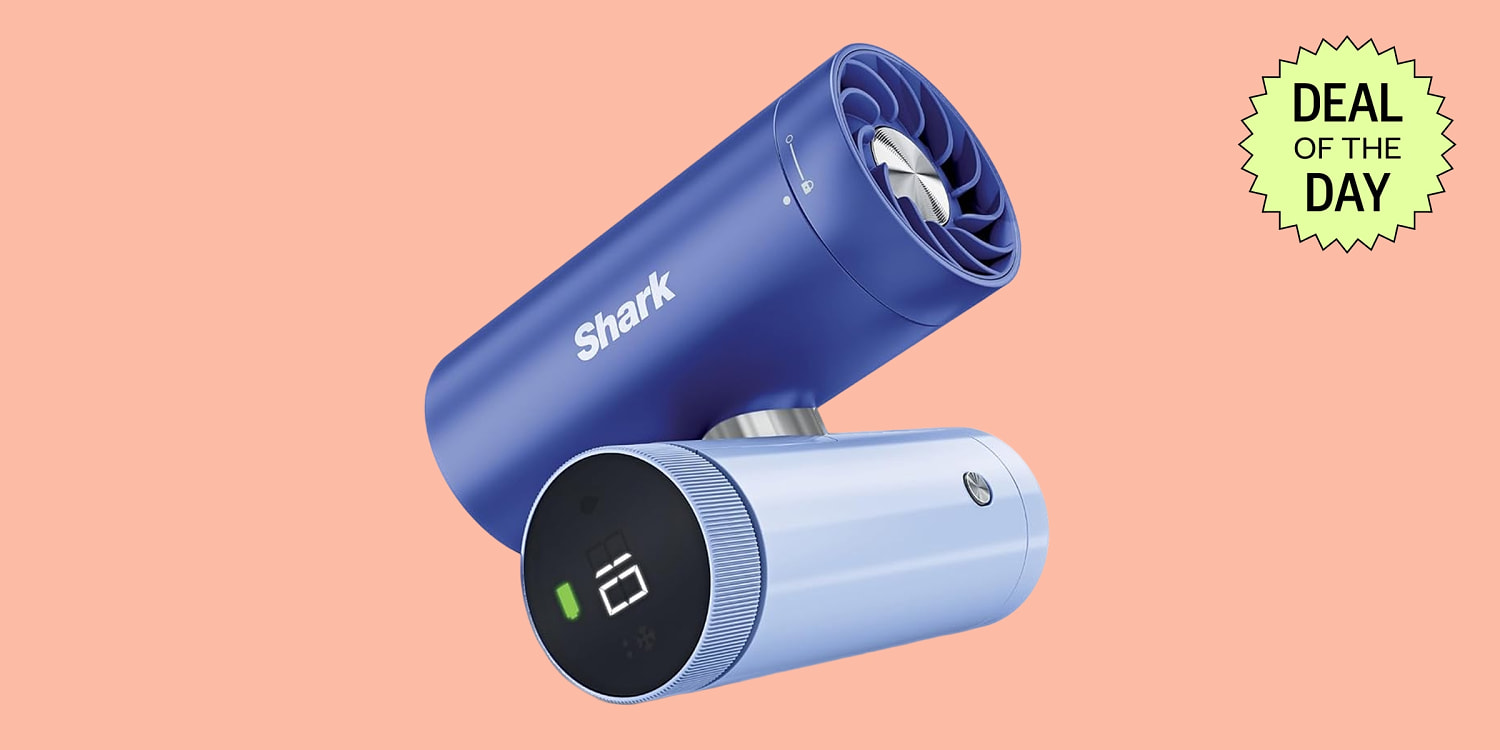
When a popular personal cooling device like Shark's portable fan lineup drops to an all-time low price, bargain trackers celebrate a victory for the consumer. Tech blogs publish breathless alerts urging immediate purchases before inventory vanishes. They frame the markdown as a rare stroke of corporate generosity or a fleeting anomaly in the retail cycle. But behind every steep clearance price lies a precise calculation of inventory pressure, manufacturing margins, and seasonal obsolescence. Understanding how these markdowns actually work reveals a great deal about the consumer electronics industry and the true economics of portable comfort.
Discounts do not appear by accident. They are surgical interventions designed to protect corporate balance sheets from the silent hemorrhage of warehousing costs. When autumn approaches or summer demand plateaus, physical inventory transforms from an appreciating asset into a depreciating liability. Every square foot of warehouse space occupied by a box of handheld fans carries a recurring rental cost. Retailers and manufacturers calculate inventory holding costs down to the penny. If a product sits too long, the cost of storing it eventually eclipses the profit margin of selling it at full retail value.
To grasp why a handheld fan can shed thirty or forty percent of its price tag overnight, one must examine the cost structure of modern small appliances. A device like a personal cooling fan is deceptively complex. It is not merely a piece of molded plastic with a propeller attached to a AA battery holder. Modern units rely on rechargeable lithium-ion power cells, microchip-governed charging circuits, brushless direct current motors, and aerodynamically tuned fan blades designed to maximize airflow while minimizing acoustic whine.
The manufacturing cost of these components forms only a fraction of the final retail price. International freight shipping, customs duties, distributor markups, retail slotting fees, and marketing expenditures all stack on top of the bare production cost. When a brand launches a new cooling device, the initial price tag absorbs a heavy cushion intended to fund future product iterations and warranty claims. By the time a product reaches its lowest price ever, the manufacturer has already recouped its primary development expenses. The subsequent discount represents a shedding of excess margin rather than a direct financial loss.
Consider the engineering realities that separate a disposable novelty fan from a engineered personal cooling tool. Cheap pocket fans sold at checkout counters often use brushed motors that generate excessive friction, burning out within dozens of hours of operation. Premium alternatives utilize brushless motors driven by pulse-width modulation. These electronic speed controllers regulate current precisely, extending battery life and reducing thermal buildup within the handle. When a company with an established engineering reputation enters the personal fan category, their unit economics reflect tighter quality control standards. They must pass rigorous drop tests, thermal cycling, and electrical safety certifications.
Yet, consumers rarely evaluate a fan through the lens of electro-mechanical engineering. They evaluate it through immediate utility and price comparison. This creates a severe pricing vulnerability for brands. If a competitor drops their price by ten dollars, consumer attention immediately shifts. The market for personal fans is fiercely elastic. A minor price differential can divert thousands of potential buyers within a single weekend. Consequently, brands find themselves locked in a race to capture visibility during peak heat waves. Once those heat waves break, the urgency evaporates, leaving mountains of surplus inventory stranded in distribution centers.
The marketing machinery surrounding these record-low price events deserves close scrutiny. Retailers utilize psychological pricing thresholds to manufacture urgency. Terms like historic low or clearance blowout trigger cognitive shortcuts in the buyer, suppressing analytical evaluation of whether the product is actually needed. In many cases, the product in question is simply reaching the natural end of its seasonal lifecycle. Manufacturers are already preparing next year's iterations, which might feature minor cosmetic updates, slightly improved battery chemistry, or a redesigned grille. Clearing out old stock is an operational necessity to free up supply chain lanes for incoming cargo containers.
This cycle highlights a broader systemic issue in consumer hardware. We produce massive volumes of portable plastic and lithium-ion devices designed for seasonal utility. When summer ends, a significant percentage of these items face obscurity, and in worst-case scenarios, premature disposal. While reputable brands maintain return channels and liquidation pathways, the sheer volume of manufactured goods creates an environmental footprint that far outweighs the temporary convenience of a handheld breeze on a humid afternoon.
The rush to secure a bargain often obscures the compromises required to hit a low price point. When manufacturing partners are squeezed to deliver cheaper units for aggressive promotional events, cost-saving measures inevitably ripple through the supply chain. Cheaper plastics, thinner wire gauges, lower-grade battery management systems, and reduced acoustic dampening are common casualties of aggressive margin compression. While top-tier brands maintain baseline quality thresholds to protect their brand equity, lesser competitors often race to the bottom, flooding discount channels with unreliable hardware that ends up in landfills within a year.
Evaluating a discounted gadget requires looking past the bold red percentage-off figures splashed across retail banners. A good deal is only valuable if the item fulfills a genuine, long-term need rather than a momentary impulse triggered by soaring ambient temperatures. The next time a seasonal cooling device hits an all-time low, remember that you are not witnessing an act of charity from a benevolent corporation. You are watching the final, calculated stage of a high-stakes inventory management strategy, executed precisely on schedule.


