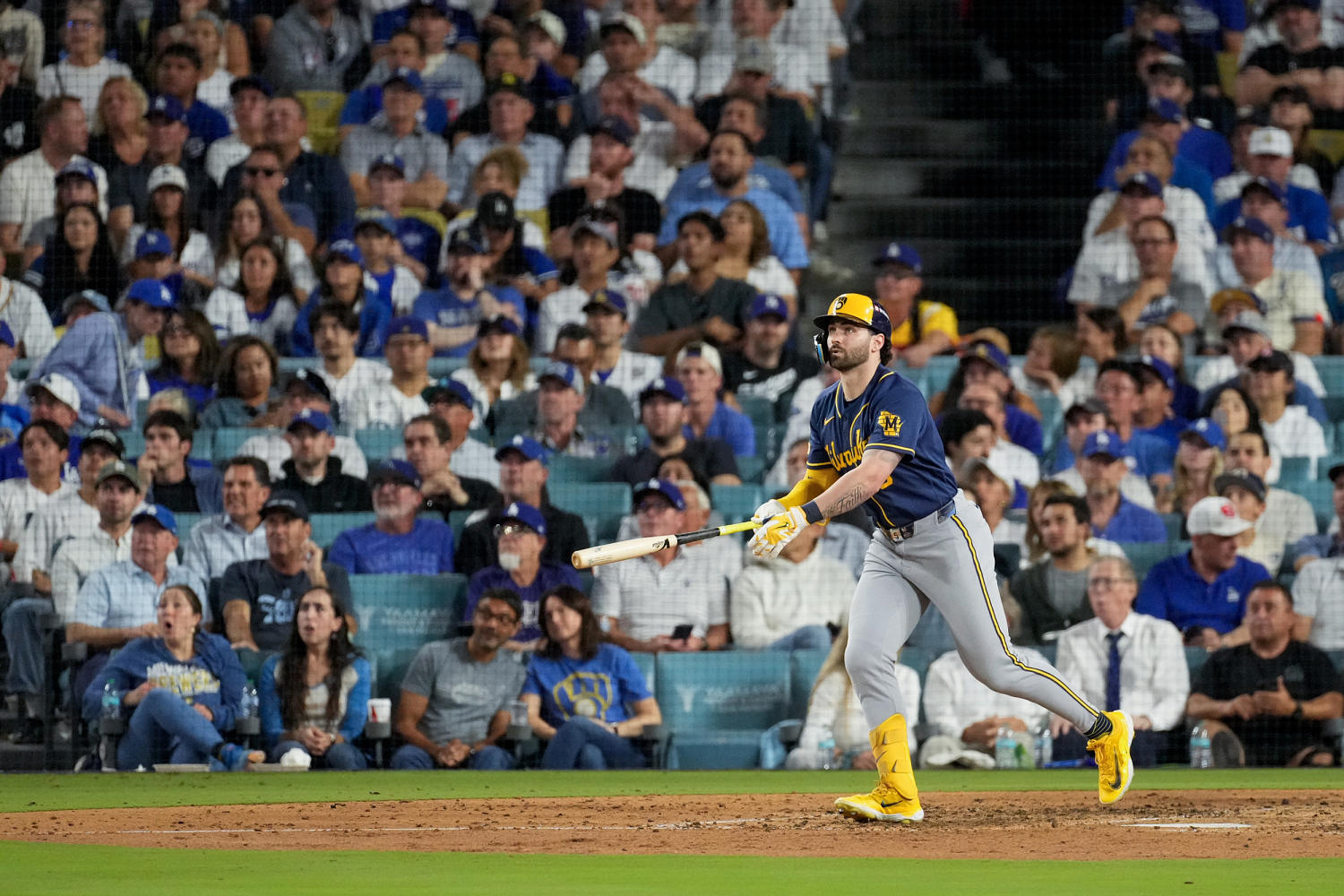
Silence. That is the first thing you notice when a field goal drifts wide right in front of seventy thousand people.
The stadium roar does not fade like a wave rolling off a beach; it snaps off like a cut wire. In that split second, seventy thousand throats tighten, eighty thousand eyes track a spinning leather ball toward yellow uprights that suddenly look impossibly narrow, and on the sideline, a head coach stands with his play sheet lowered, feeling the cold math of a one-point loss settle into his chest. Read more on a connected issue: this related article.
I have stood near enough to football sidelines to smell the mix of cut turf, stale sweat, and overheated aluminum bleachers on a late autumn afternoon. You can hear the low hum of television cameras on cranes and the sharp, metallic slap of shoulder pads long before you see a single play develop. Most fans watch the quarterback. They watch the receivers break free at the top of their routes or the defensive front collapse a pocket. They treat the kicking game like an intermission between the real scenes of the play.
Until the intermission ruins the whole evening. Additional journalism by The Athletic highlights comparable views on this issue.
When a head coach like Sean McVay publicly backs his special teams coach while bringing in a new kicker to breathe life back into a struggling unit, the standard sports wire treats it like a routine roster transaction. A quote here. A depth chart update there. Maybe a passing mention of field-goal percentage or missed extra points.
That misses everything that actually happens inside a locker room when a unit's confidence cracks.
Loyalty in professional football is rarely simple. It is a tightrope walked in high winds while everyone below yells for someone to fall.
The Invisible Weight of the Third Phase
Football calls them special teams, a polite name for a group that often feels like an afterthought until something goes wrong. Offense gets the touchdowns and the highlight reels. Defense gets the sacks and the swagger. Special teams gets blamed when the wind blows the wrong way.
Consider what happens next when a kicker starts missing kicks he used to make in his sleep. A miss from thirty-eight yards is not just three points left on the grass. It changes how a head coach thinks on fourth-and-four from the opponent's twenty-seven. Suddenly, an aggressive offense that loves to push the ball downfield starts second-guessing its own aggression. Every drive inside the thirty feels heavier because the safety net underneath it has frayed.
The special teams coach stands right in the middle of that tension. His job is part geometry, part choreography, and part therapy. The long snapper has to deliver the ball with consistent spin and velocity over roughly fifteen yards in under a second. The holder has to catch it cleanly, spin the laces away from the kicker's foot without flinching as three hundred pounds of rushing defender barrels toward his face, and plant the ball on the turf at the exact angle the kicker rehearsed five hundred times that week. The kicker has to approach at a precise angle, lock his hips, strike the sweet spot of the ball, and trust his mechanics while his heart hammers against his ribs.
One millimeter off on the hold. One tenth of a second late on the snap. One degree open on the plant foot. In a sport measured in yards, kicking is governed by fractions of an inch and milliseconds.
When those fractions start failing on Sunday afternoon, the finger-pointing begins before the postgame showers are even turned on. Fans want heads. Talk radio wants a scapegoat. And yet, head coaches who last in this league understand something that impatient onlookers often forget: firing a coach mid-storm rarely fixes a broken stroke, and throwing a struggling specialist to the wolves only infects the rest of the room.
To understand why a coach backs his special teams staff while still bringing in fresh kicking legs, it helps to step away from the press box and look at how fragile trust really is.
(Note: The following character and scenario are hypothetical, created to illustrate the human dynamics and emotional pressure inside a football kicking room.)
Call him David Vance, a fictional veteran special teams coordinator in his sixth year on an NFL staff. David is the kind of coach who arrives before dawn with a laminated chart of wind gusts, turf firmness, and opposing returners' stride lengths. He knows which of his gunners gets nervous before punt returns and which backup cornerback needs an arm around his shoulder after a holding penalty wipes out a big gain.
On a Tuesday morning after a painful loss decided by a missed kick and a costly coverage lapse, David sits in a windowless meeting room staring at a wall of cut-up film. His kicker, let's call him Marcus, sits two chairs down, staring at his sneakers. Neither man says much for the first ten minutes. They do not need to. Both of them have watched the same clip twelve times: the ball leaving the foot slightly off-center, hooking left by two feet as the crowd groans.
When the head coach walks in, he does not come with a pink slip or a speech full of empty clichés. He comes with a plan. He tells David he believes in his preparation, his communication, and his ability to fix protection leaks and lane discipline. Then he looks at Marcus and lays out the reality of a business where patience has a shelf life: a new kicker is coming in for a workout and competition.
Nothing in that room feels warm and fuzzy. It feels honest. And honesty, even when it stings, is the bedrock of credibility.
Why Coaches Hold the Line Without Blindness
I used to think loyalty in sports meant standing by your people no matter what. Younger, more romantic version of me believed that if you hired someone you trusted, you rode with them until the wheels came off.
Life—and watching enough seasons of high-stakes competition—taught me a harder lesson. Blind loyalty is just denial with better manners. Real loyalty tells the truth, protects people from unnecessary public humiliation when they are working in good faith, and still demands results because everyone's livelihood is on the line.
That distinction explains why a coach like McVay can stand behind a special teams coach while actively looking for a kicker to rejuvenate the unit. Those two moves are not contradictions. They are two halves of the same survival instinct.
Football history is crowded with cautionary tales of teams that waited too long to address kicking woes, hoping a slump would magically cure itself. A single missed kick in October can quietly tilt a season by December, turning a ten-win playoff contender into an eight-win team watching the postseason from a couch. In a parity-driven league where games are routinely decided by one score, leaving points on the field is like leaving unlocked doors in a bad neighborhood. Eventually, someone walks in and takes everything.
At the same time, cycling through special teams coordinators every autumn creates chaos. Coverage units rely on muscle memory and shared language. Punt protection requires split-second trust between the personal protector and the linemen beside him. If the coach running that operation changes every year, the foundational habits never take root.
By backing the special teams coach while bringing in new kicking competition, leadership sends two clear messages at once:
- To the coaching staff: Your work is valued, and we are giving you a fresh piece to work with rather than tearing down the whole structure.
- To the locker room: Standards have not dropped, complacency has no home here, and every spot on the roster is earned week to week.
Admittedly, this balancing act is messy. Sometimes it does not work right away. A new kicker might arrive with a big leg and erratic accuracy, or pressure might follow him into a loud stadium just like it followed the last guy. Watching a coach defend a unit that just cost a game can make fans furious. I have felt that frustration myself—sitting in front of a screen wondering how a guy can keep his job after another baffling sequence on fourth down or kickoff coverage.
It is easy to judge from afar when you do not have to look a twenty-four-year-old specialist in the eye at 7:00 a.m. on a Wednesday.
The Anatomy of a Kicking Reset
What does it actually take to "rejuvenate" a kicking unit?
People love simple answers. They want to believe a new kicker shows up, kicks three fifty-yarders in warmups, and suddenly the sun comes out over the stadium. In reality, a reset happens in small, unglamorous increments.
First comes tempo. When a kicker is in a funk, his mechanics often speed up without him realizing it. His steps get choppy. His head jerks up early to watch the ball instead of staying down through contact. A fresh kicker—or fresh competition—forces everyone in the operation to slow down and lock into rhythm again. The snapper focuses on crispness; the holder focuses on clean laces and steady hands; the kicker focuses on one clean swing at a time instead of carrying the ghost of last Sunday's miss.
Next comes coverage and return discipline. Special teams is never just the kicker. If a kickoff goes short or a punt lacks hang time, the coverage team has to run farther and tackle in open space against athletes who get paid to make tacklers miss. One missed assignment in the seam turns a routine thirty-yard return into a backbreaker that flips field position and drains the defense before the next drive even begins.
When a coach backs his special teams staff during a rough stretch, he is usually betting that the coaching details—the film study, the technique drills, the situational awareness—are sound, even if the execution on the field has sprung a leak.
Let's use a simple metaphor to see how this works in everyday life. Imagine a skilled baker whose sourdough loaves keep coming out dense. You do not necessarily throw out the oven or fire the head baker on day one. You check the starter, test the flour, adjust the proofing time, and maybe bring in a fresh batch of yeast to see if the rise comes back. If the loaf rises golden and airy the next morning, everyone celebrates the bread. Nobody writes a poem about the yeast.
Kicking is the yeast. Necessary, volatile, and invisible when it works properly.
Stakes Bigger Than the Scoreboard
Why should anyone outside a team's facility care about how a head coach handles a kicking slump and a special teams coach's job security?
Because sports, at their best, hold up a mirror to how people handle pressure everywhere else. Most of us will never kick a game-winning field goal in front of seventy thousand screaming fans or draw up punt protections against a blitzing linebacker. Yet almost all of us know what it feels like when a small part of our work starts slipping and everyone notices.
It might be a presentation that goes sideways at the office. It might be a project falling behind schedule because one piece refuses to click. In those moments, the people around you—your manager, your teammates, your partners—have a choice. They can panic, shift blame, and pull the rug out from under you, or they can hold the line, tell you the truth about what needs to change, and give you a fair shot to turn it around.
Leadership is rarely tested during winning streaks. Anyone can smile when the scoreboard is tilted your way and every bounce goes in your favor. Leadership shows up on a rainy Tuesday when the last game still tastes like copper and regret, when critics are loud, and when keeping your composure costs something real.
When a coach backs his special teams coach while bringing in a new kicker to spark the unit, he is trying to thread that needle. He is acknowledging that the current formula needs a jolt without abandoning the people tasked with building discipline every single day. He is betting on accountability paired with belief—a combination that sounds easy on paper and feels heavy as iron in practice.
Some weeks, the bet pays off. A new kicker steps onto the field, hits a clutch kick cleanly through the middle, and the sideline erupts like the team just won the championship. The special teams coach exhales for the first time in a month. The locker room breathes again.
Other weeks, the ball still wobbles, the margin stays razor-thin, and the questions start all over again.
That is the quiet tragedy and quiet grace of the game. There are no guarantees in football, no permanent immunity from bad bounces, and no magic wand that erases past mistakes. There is only the next snap, the next hold, the next swing of the leg, and the choice of who stands beside you when the ball is in the air.
Watch the sidelines the next time a kicker lines up from forty-eight yards with two minutes left and the wind swirling off the stands. Do not just look at the ball. Look at the coach standing near the white line, jaw set, eyes locked downfield, waiting to see whether faith and preparation will bend the iron his way—or leave him standing in the silence all over again.