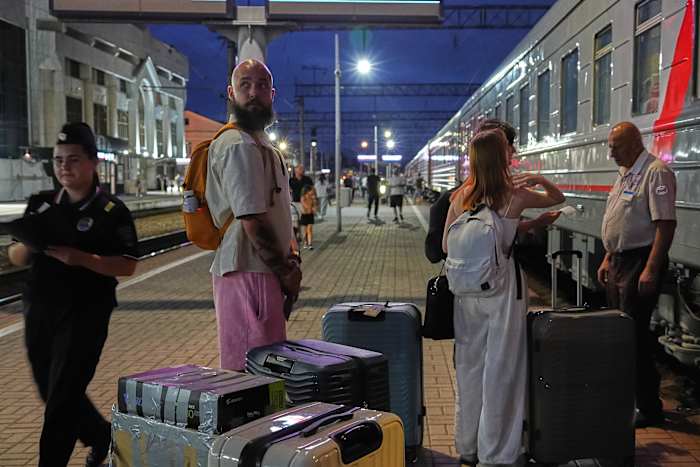
Borders tighten while quiet exits continue. Thousands of Russian citizens keep packing single suitcases, abandoning apartments, bank accounts, and lifetime routines to cross into neighboring states. This ongoing migration wave stems directly from persistent anxieties regarding future conscription sweeps and the total erosion of civil liberties at home. Analysts tracking regional displacement note that unlike the sudden rush of early 2022, this modern movement operates as a steady, calculated draining of professional talent and working-age populations.
People leave because remaining means living under a permanent state of legal ambiguity. Every draft notice rumor or legislative tightening shifts the calculus from cautious endurance to immediate departure. Destination points such as Georgia, Kazakhstan, and various European Union territories absorb professionals ranging from software engineers to university professors. These individuals face distinct hurdles abroad, including frozen assets, complex visa renewals, and the psychological weight of permanent displacement. If you enjoyed this post, you might want to look at: this related article.
Economic fallout inside the country accelerates as skilled labor vanishes. Small businesses lose key technical minds, while larger state-adjacent enterprises struggle to recruit qualified replacements. Officials attempt to mask the brain drain through policy incentives and rhetorical appeals, yet the daily reality of restricted speech and looming military obligations outweighs government promises.
Families split across international boundaries bear a heavy emotional toll. Older relatives often stay behind to manage properties and elderly care, creating fractured households where reunions depend entirely on shifting geopolitical boundaries and airline routes. Financial management requires navigating complex cryptocurrency transfers and foreign bank accounts as traditional Swift networks remain cut off for most retail customers. For another angle on this event, refer to the recent coverage from The New York Times.
Host countries experience their own infrastructural adjustments. Local housing markets in transit hubs face sustained rental price pressures, while local labor ministries work to integrate incoming skilled workers into formal tax and employment systems. Municipal authorities balance public sentiment against the undeniable economic boost brought by thousands of productive workers establishing new lives.
The long-term trajectory points toward a profound demographic restructuring. A nation losing its most globally connected and technologically literate citizens risks locking itself into technological isolation and economic stagnation. As long as internal political frameworks remain rigid and external borders stay porous to those with valid passports, the departure lines at land crossings and airport terminals will persist.