Fifty thousand.
Say the number out loud in a crowded train station, or write it on the back of a receipt while waiting for iced coffee in July, and it sounds like a stadium filling up on a sunny afternoon—a grand, bustling crowd with banners, snacks, and people arguing over seats. It does not sound like a quiet Tuesday in a top-floor apartment in Milan or Madrid where the radiator pipes have been dead for months yet the walls radiate heat like a brick kiln at midnight.
When a headline announces that a European summer heatwave is linked to fifty thousand deaths, most of us skim past the decimal points and reach for something cooler. We have heard the phrase heatwave so often over the past decade that it has started to feel like weather gossip, right alongside "unseasonably mild November" and "gusty winds along the coast." Yet fifty thousand lives lost across a single summer is not a minor fluctuation in the almanac. It is an entire mid-sized city vanishing from the census before autumn even arrives.
I still remember the summer I spent helping a family friend clear out a fifth-floor walk-up in southern Europe after an oppressive stretch of forty-degree days. The air inside smelled faintly of dry plaster, sweet peaches left too long on the counter, and stale linen. Nothing looked dramatic. There were no shattered windows, no fallen trees, no news helicopters hovering overhead. Just a heavy, unmoving thickness in the rooms that made your throat dry the moment you stepped across the threshold. Watching a body struggle when the night never cools down changes how you read every subsequent summer forecast.
(Note: The figures discussed in this essay reflect real public health patterns documented in European excess-mortality research, where epidemiological models compare observed deaths against historical baselines during extreme heat; specific individuals and scenes in the sections that follow are hypothetical composites constructed to illustrate how these mechanisms play out in daily life.)
Why Heat Rarely Looks Like What We Expect
Ask a stranger on the street what kills someone in extreme heat, and they will usually picture a runner collapsing on a sun-baked marathon course, tongue swollen, skin blistered, ambulance sirens wailing in the distance.
Hollywood loves that picture. Real physiology prefers something far subtler.
When ambient temperatures climb past what the human body can shed through sweat and blood flow near the skin, the heart begins working overtime—pumping faster and harder to move warm blood outward toward the surface while trying to keep vital organs supplied. Sweat drains water and electrolytes. Blood thickens slightly as fluid drops, raising the strain on already stressed vessels. For a twenty-eight-year-old with elastic arteries and healthy kidneys, that extra shift feels like an exhausting afternoon at the beach. For an eighty-two-year-old living with mild heart failure, high blood pressure, or diabetes, that same afternoon can tip a delicate balance into a fatal cardiac event, a stroke, or acute kidney failure weeks before the medical examiner ever writes "heat" on a form.
That gap explains why official tallies often lag behind the lived reality. Many heat-related deaths never carry the word heat on the death certificate. Instead, epidemiologists spot them through excess mortality—counting how many more people died during a hot spell than the statistical average for those exact weeks in prior years. It can feel frustratingly abstract, almost clinical, to measure grief by subtracting one baseline from another. I have sat with readers who felt uneasy hearing human lives described as "excess deaths," as if statistics were trying to flatten sorrow into a spreadsheet.
In truth, those numbers are how scientists make the invisible visible. Without excess-mortality modeling, thousands of quiet losses in quiet bedrooms would remain scattered footnotes under heart disease or respiratory failure, leaving governments blind to the true scale of the danger.
A Hypothetical July in Two Rooms
Consider a hypothetical scenario set during a relentless July in a dense European city.
In a ground-floor café with thick stone walls and awnings over the pavement, Mateo, thirty-four, wipes condensation from a glass of water and complains that the train delay ruined his morning. He feels sluggish, irritable, and ready for August vacation. By nine o'clock at night, the stone has held onto the day's warmth, and the air feels like a damp towel pressed against his face, yet Mateo sleeps well enough once a portable fan hums beside his bed.
Six floors up, in a building insulated for winter cold rather than summer ovens, seventy-nine-year-old Elena sits beside a window that cannot cross-ventilate because the street outside roars with traffic and exhaust until past midnight. She takes a diuretic for fluid retention—a medication that helps her breathe easier all year, except during a heat streak when flushing extra water can leave her dehydrated without her feeling noticeably thirsty. Her thirst mechanism, like that of many older adults, has grown quieter with age. By the time her mouth feels dry, her body is already behind.
No single dramatic moment separates Mateo's evening from Elena's night. Just accumulated thermal debt. A body that never gets six hours of genuine cool-down enters day four already fatigued, then day six, then day nine.
Concrete, Asphalt, and the Architecture of Forgetting
Cities were built to gather people, trade goods, and shelter families from rain and wind. Much of Europe's housing stock was shaped over generations around a very different fear: freezing to death in January. Thick masonry, small windows, top-floor attics tucked right beneath dark roof tiles—all of that makes perfect sense when frost coats the cobblestones in February.
Flip the calendar to July, and those same features trap heat indoors like a slow cooker.
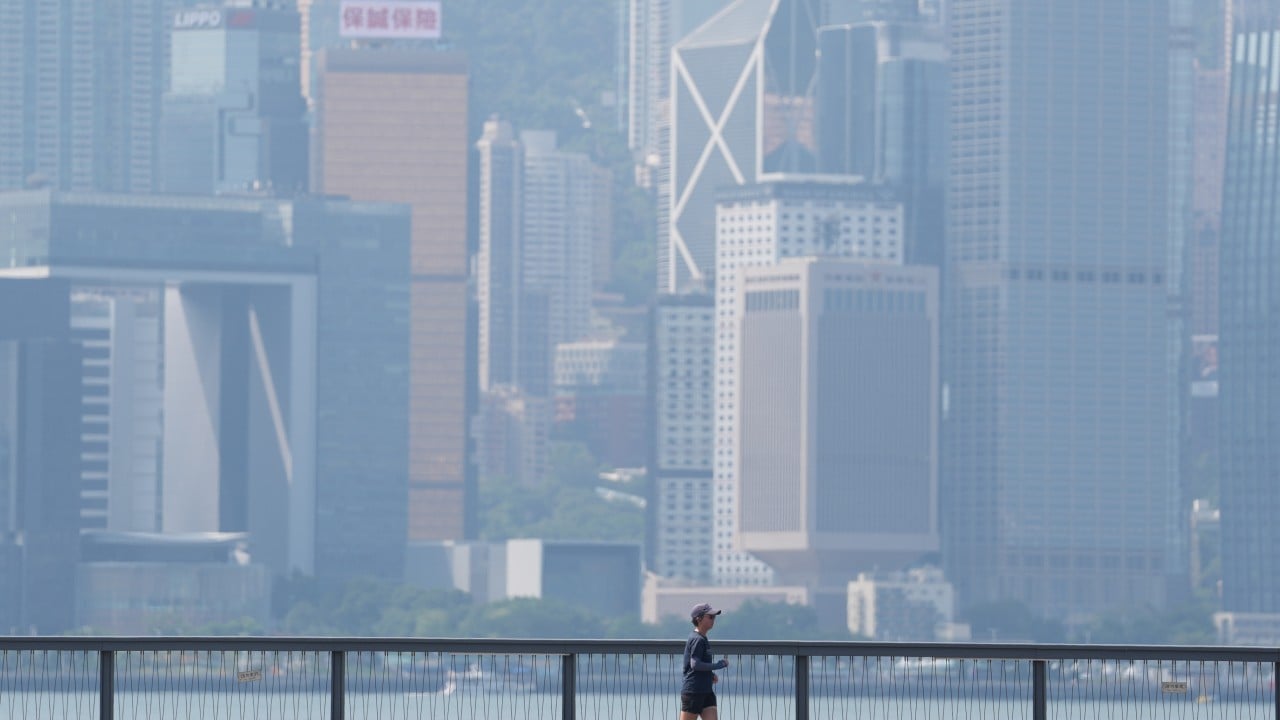
Step outside into a dense neighborhood with narrow streets, dark asphalt, and scarce tree canopy, and the urban heat island effect takes over. Pavement and brick soak up solar radiation all day and release it slowly after sunset. Even at two in the morning, a city center can sit several degrees warmer than a park or rural valley a few miles away. If you have ever walked past a parked car at dusk and felt warmth radiating off the hood hours after the sun went down, you have felt a miniature version of the same physics.
Now layer in loneliness. Heat is rarely an equal-opportunity hazard; it preys on isolation. An older person living alone, perhaps too proud to worry their children or too dizzy to climb down four flights of stairs to a cooling center, can spend days in an apartment that climbs past thirty degrees Celsius while neighbors twenty feet away blast air conditioning behind closed shutters.
Consider what happens next: a mild spell arrives for forty-eight hours, everyone sighs with relief, and municipal budgets return to routine debates before the next ridge of high pressure settles over the continent in August.
What Actually Protects People When the Mercury Climbs
Panic is a poor shield against forty-degree weather. Practical habits, neighborhood vigilance, and smarter cooling strategies save lives long before grand infrastructure projects finish.
Start with how we cool spaces and bodies. Many people point a standing fan straight at themselves in a sweltering room and assume moving air equals lower temperature. Once indoor air climbs above roughly thirty-five degrees Celsius—right around skin temperature—blowing hot air across dry skin can actually speed up heat gain rather than cool you down. Dampening the skin with a cool cloth or taking a lukewarm shower before using a fan works far better because evaporating water pulls heat away from the body.
Hydration deserves nuance, too. Chugging plain water by the gallon when someone is sweating heavily or taking certain medications isn't always the whole answer; sipping steadily across the day, pairing fluids with light food or electrolytes when appropriate, and paying attention to early clues like unusual fatigue, dizziness, headache, or confusion matters far more than waiting for an alarm bell of thirst.
Equally powerful is human check-in. A two-minute phone call or a knock on an apartment door during a multi-day heat spike costs nothing and catches trouble early—slurred speech, heavy drowsiness, or a room that feels noticeably hotter than the hallway outside. After years of watching families look back with regret after a sudden summer tragedy, one truth stands out with stark clarity: heat rarely strikes out of nowhere; it builds quietly until someone notices.
| Everyday Assumption | What Happens in Extreme Heat | Safer Move |
|---|---|---|
| "I'll feel thirsty if I need water." | Thirst signals often dull with age, and some medications increase fluid loss. | Sip fluids regularly throughout the day without waiting to feel parched. |
| "A fan on high always cools me down." | In very hot rooms, moving hot air can add heat to dry skin. | Pair airflow with damp skin, cool compresses, or cooler indoor rooms. |
| "Opening windows all day brings in a breeze." | Hot outdoor air can push indoor temperatures higher than sealed, shaded rooms. | Block sun with blinds/curtains by day; vent cooler air when outside drops. |
| "Heat deaths only happen on record-breaking days." | Multi-day streaks and warm nights cause cumulative strain even at moderate highs. | Treat multi-day heat and warm nights as an ongoing risk, not a one-day blip. |
Cities are beginning to adapt as well—planting street trees along sun-baked avenues, painting roofs reflective white, opening public libraries and community halls as daytime refuges, and refining heat-health warning systems so alerts reach frontline clinics and isolated residents rather than vanishing into ignored phone notifications. None of those measures is glamorous. None of them makes a flashy headline on its own. Yet stacked together across thousands of blocks, shade, cross-breezes, and timely check-ins bend the mortality curve downward.
The Weight We Carry Into Next Summer
Every summer now carries an unspoken test. We check the forecast not just to pack a swimsuit or plan a hike, but to wonder whether the power grid will hold, whether the elderly neighbor down the hall is doing alright, and how many lives will be quietly lost behind closed curtains while the rest of the world complains about sticky weather.
Fifty thousand is a heavy number to carry. Let it stay heavy for a moment—not to freeze into dread, but to sharpen our attention toward the people right next door whose rooms never quite cool down after dark.
When the sun finally dips low over a quiet street and a faint breeze stirs the leaves on a plane tree, someone behind a fourth-floor window is either breathing easier because a neighbor checked in—or waiting alone in the dark.