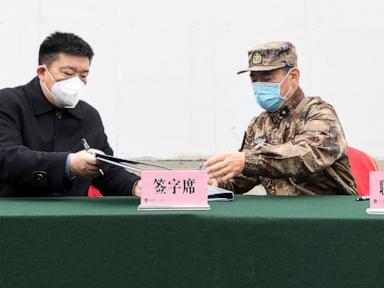
Another headline proclaims justice. Another official falls. The former mayor of Wuhan receives fourteen years behind bars for accepting millions in bribes, and the public breathes a collective sigh of relief, assuming the system has successfully purged a bad actor.
This is lazy thinking. It treats structural failure as a moral failing of individuals. For an alternative perspective, see: this related article.
I have watched compliance programs built, anti-corruption campaigns launched, and high-profile show trials broadcasted for two decades. The dirty secret nobody in governance wants to admit is that locking away a corrupt executive does not fix a corrupt mechanism. In fact, it often preserves it.
The illusion of the bad apple
The standard narrative tells a simple story. A man gains power, succumbs to greed, abuses his office, and is eventually caught by an vigilant apparatus. The system works. Further coverage regarding this has been published by TIME.
Except the system manufactured the incentive structure that made the crime inevitable.
When urban development targets are set to impossible growth metrics, budgets are front-loaded, and oversight mechanisms rely on political loyalty rather than independent audit, integrity becomes a liability. Mayors of major manufacturing and transit hubs do not wake up one morning and decide to ruin their careers for a briefcase of cash. They operate within an ecosystem where capital allocation is fast, opaque, and entirely dependent on discretionary political approval.
When you create a bottleneck where billions of dollars in infrastructure hinge on the signature of a single bureaucrat, you have not built a government. You have built an auction house.
Removing the auctioneer does not close the auction. It simply opens the bidding for the next replacement.
The math of administrative impunity
Let us look at the actual incentives. Fourteen years in prison sounds severe to an outsider. To a political operator running a municipal machine handling hundreds of billions in capital projects, the risk-reward calculation is skewed entirely toward the bribe.
Real enforcement requires examining the economic architecture of municipal finance. Local governments are routinely tasked with self-funding massive urban expansions through land sales and state-directed credit expansion, while their tax bases remain restricted. They are told to build first-world metropolises on third-world municipal revenue models.
When budgets do not balance structurally, officials turn to shadow financing, off-balance-sheet vehicles, and real estate partnerships. Corruption is the grease that keeps a structurally insolvent local government moving.
Punishing the mayor for doing what the local economy required him to do to hit his key performance indicators is pure hypocrisy. It is scapegoating a functionary for executing a broken mandate.
Why transparency theater fails
Every time a major political figure falls, watchdog groups demand more reporting, stricter asset declarations, and tighter internal controls.
More bureaucracy is the exact opposite of what works.
Complex administrative controls merely increase the transaction costs of corruption without eliminating the supply. When compliance becomes a labyrinth, the price of the bribe simply goes up to cover the cost of navigating the new checkpoints. The most corrupt systems in the world are rarely short on rules; they are suffocating under them.
True reform looks boring. It looks like standardized procurement, automated public registries for land and zoning decisions, and decentralized municipal bond markets where private investors—not political appointees—price risk.
As long as the state holds a monopoly on resource allocation while operating in the shadows, every anti-corruption drive is just a management reshuffle disguised as justice.
Stop cheering for the perp walk. Start looking at the balance sheet.



