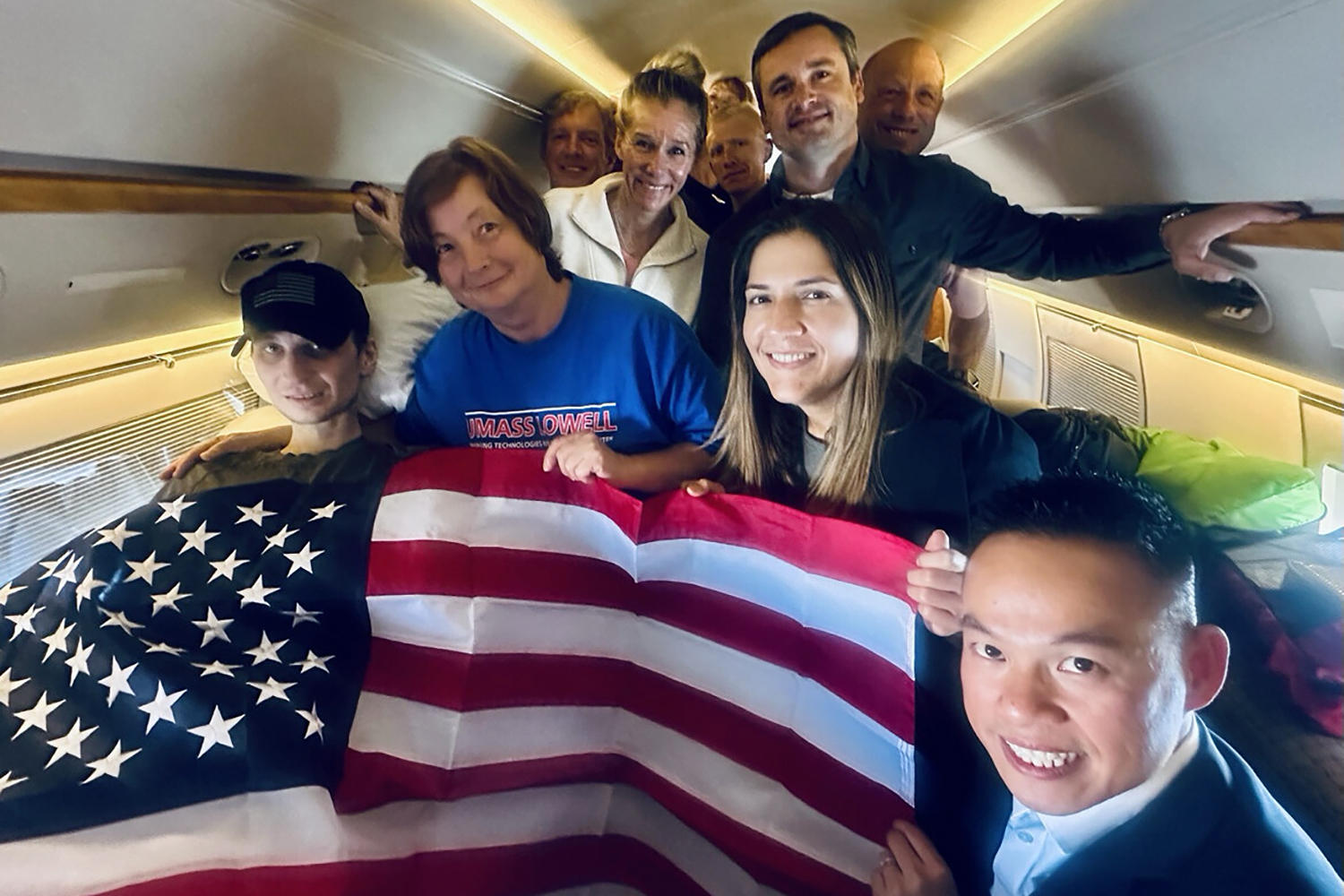
The release of former U.S. Marine Robert Gilman from Russian custody after more than four years behind bars marks a critical inflection point in modern geopolitical hostage diplomacy. Gilman, a 32-year-old military veteran, endured an escalating series of prison sentence extensions and severe physical deterioration before Moscow granted a pardon on humanitarian grounds. Unlike previous high-profile releases that necessitated massive, multi-nation prisoner swaps, Gilman's liberation occurred without a direct prisoner exchange, raising urgent questions about the changing mechanics of how foreign detainees are leveraged, broken, and ultimately returned.
The Anatomy of Escalating Sentences
To understand Gilman's ordeal, one must examine the systematic machinery of the Russian penal system. Detained initially in 2022 after an alleged altercation on a train, Gilman received an initial three-and-a-half-year sentence for assaulting a police officer. What followed was a predictable downward spiral familiar to legal observers tracking American detainees in Russia.
Additional charges quickly accumulated inside the prison walls. Prison authorities accused him of attacking inspectors, investigators, and guards during routine cell checks. Each alleged infraction triggered new trials, extending his sentence first to over eight years, and eventually swelling to a ten-term sentence.
This snowball effect of internal disciplinary charges serves a distinct bureaucratic and tactical purpose. It deepens the legal quagmire, making standard appeals virtually impossible while compounding the psychological pressure on the prisoner. The isolation is absolute. The oversight is nonexistent.
The Medical Crisis Point
Bureaucracy eventually collided with biological reality. In the weeks preceding his release, advocacy groups and legal representatives reported that Gilman had slipped into a dissociative stupor lasting nearly seven weeks. Transferred from a penal colony to the psychiatric ward of a civilian emergency hospital, he was reportedly handcuffed to a bed and sustained via a feeding tube.
Medical reports painted a picture of a system pushed to the brink of a fatal diplomatic crisis. When an inmate approaches the threshold of death under state supervision, the liability equation changes for the detaining power.
Advocacy organizations like Global Reach noted that Gilman's condition was classified as dire and life-threatening. This near-fatal physical collapse became the catalyst that forced high-level intervention. It demonstrates a grim precedent within modern geopolitics. Sometimes, survival depends entirely on whether a prisoner's decline becomes too politically costly to ignore.
The Diplomacy of Unilateral Release
The absence of a quid pro quo exchange sets this case apart from the sprawling 24-person prisoner swaps coordinated through Ankara. Political leaders and diplomatic spokespersons confirmed that no Russian prisoners were freed in return.
Instead, the release unfolded through direct high-level discussions framed around humanitarian exemptions. This shifts the analytical framework of how foreign capitals negotiate with Moscow. It proves that unilateral gestures remain possible, even amid deep bilateral hostility, provided the pressure applied touches specific diplomatic nerves.
Yet, framing a release as purely humanitarian obscures the preceding four years of institutional brutality. A pardon at death's door does not erase the systemic targeting of foreign nationals. It merely closes one file while leaving the structural incentives for arbitrary detentions entirely intact.
The Road Ahead for Returned Veterans
As Gilman transitions to a military medical facility in Texas for comprehensive psychological and physical evaluation, the focus turns to long-term recovery. The human cost of prolonged isolation in foreign penal colonies extends far beyond immediate physical ailments.
Reintegrating individuals who have survived sustained psychological warfare requires specialized medical infrastructure. The trauma of a dissociative stupor and forced medical interventions leaves permanent scars. The institutional response from Western governments must evolve to match the sophistication of these detention tactics.
The machinery that holds Americans abroad adapts continuously. Understanding those mechanisms is the only way to dismantle them before the next citizen finds themselves trapped inside an escalating cycle of fabricated charges and forgotten prison sentences.
Paul Whelan speaks out after more than five years in Russian prison
This video provides additional context on the grueling realities faced by American military veterans enduring long-term captivity and eventual release from Russian penal facilities.