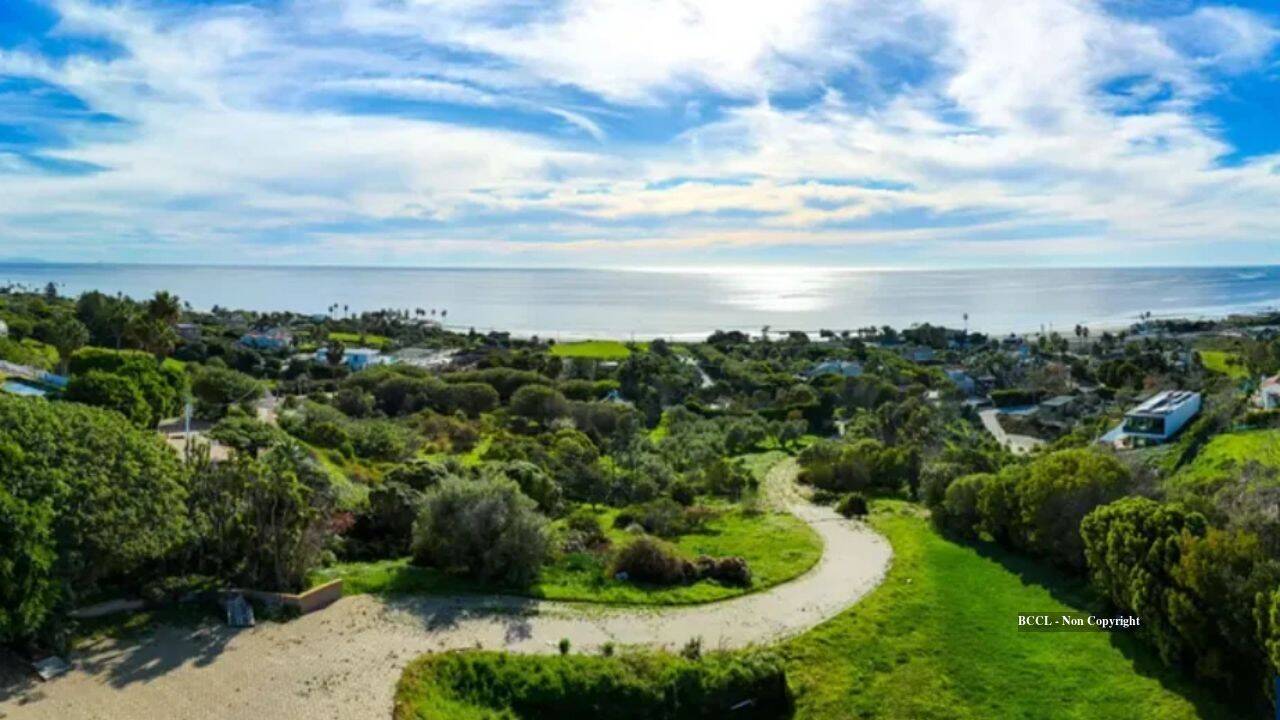
A coastal parcel in Malibu that once held a structure priced around $12.25 million can hit the auction block at $12.99 million without contradicting basic real estate math. The surface headline reads like a pricing error, yet the underlying economics show why raw land in a constrained coastal market can carry a higher ask than a standing home. When a structure becomes obsolete, damaged, or misaligned with buyer ambitions, the building stops adding value and starts acting as a drag. In coastal California, scarcity concentrates on the dirt and the viewshed, while the structure is simply a temporary version of how someone chose to use that footprint. This analysis breaks down the valuation mechanics behind an auction ask above a prior mansion price, separates confirmed facts from educated hypotheses, and sets out a decision framework for evaluating distressed or cleared coastal lots.
What The Headline Actually Tells Us
The reference premise contains a small set of observable facts and a large gap of missing context. We know the location is Malibu, a coastal market defined by steep topography, shoreline regulations, and high land values. We know a prior reference point puts a mansion there around $12.25 million, and we know the property is heading to auction with a $12.99 million figure attached.
Missing context matters just as much as the numbers in the headline. A competitor write-up that treats $12.25 million and $12.99 million as apples-to-apples prices misses the core analytical question: what changed between those two figures, and what does an auction price represent? In real estate, an asking price or auction reserve is an entry signal, not a guaranteed clearing price. A prior $12.25 million figure could reflect a past listing, an assessed or estimated value, or a sale made under different market conditions, while a $12.99 million auction figure can serve as an opening benchmark, a reserve threshold, or a seller anchor designed to test high-net-worth demand.
Known Facts Versus Educated Hypotheses
Separating confirmed details from plausible explanations keeps the analysis grounded when full transaction records are absent.
- Known fact: The asset is a coastal plot in Malibu tied to a past $12.25 million mansion reference and a current $12.99 million auction figure.
- Known fact: Clearing a site or shifting from a standing house to bare land changes the physical product being sold from a finished residence to a buildable site.
- Educated hypothesis: The previous mansion may have suffered physical damage, design obsolescence, or layout limits that made demolition or major rebuilds attractive to buyers.
- Educated hypothesis: Land appreciation, coastal view corridors, or improved entitlement clarity could offset the loss of an existing structure.
- Educated hypothesis: The $12.99 million figure may incorporate seller expectations for custom-build upside rather than immediate move-in utility.
The Valuation Mechanics Of Coastal Land Versus Standing Homes
Standard residential comps often fail on trophy coastal lots because buyers price two different assets when a house comes down. A standing home is a bundle of land plus a depreciating physical improvement that fits a specific era and taste. Raw or cleared land is an option on a future custom build, shaped by site geometry, geological stability, and coastal permitting rules.
To evaluate why a lot can command a higher price than a prior home valuation, look at four pricing forces:
- Land Scarcity and View Rights: Ocean frontage, bluff or hillside elevation, and unobstructed sightlines cannot be replicated once surrounding parcels build out. Buyers bidding on coastal dirt pay for permanence of location rather than drywall and cabinetry.
- Improvements as Liability or Asset: A structure adds value only when its layout, condition, and style match what top-tier buyers want. Dated architecture, fire or water exposure, or awkward lot placement turns a house into a teardown candidate whose demolition and hauling costs must be subtracted from land value.
- Replacement Cost and Build Complexity: Building on a Malibu coastal site involves steep construction costs, specialized engineering, and long approval timelines. When replacement costs climb, a well-positioned lot with fewer physical obstacles can look more attractive than buying an older house and gutting it.
- Auction Signaling and Anchor Effects: Auctions compress decision timelines and alter price discovery. Setting a $12.99 million mark signals a trophy asset and anchors negotiations high, even if final bidding settles lower or tests whether a single buyer wants the parcel enough to meet the number.
Cause And Effect That Surface Coverage Misses
Surface coverage often assumes that removing a house destroys value equal to the old price of the home. In practice, cause and effect run in reverse when the structure is the wrong fit for the land. If a $12.25 million property derived most of its worth from its coastal location rather than an aging house, losing the house removes an obstacle for a buyer who wants a clean slate.
A second cause-and-effect chain runs through time and risk. A custom coastal build takes years from design through permitting and construction, exposing the owner to interest carry, contractor pricing shifts, and regulatory delays. A buyer who pays $12.99 million for a lot is taking on execution risk in exchange for custom design control, which means the price only holds if the buyer believes the finished home will clear well above total all-in cost.
Why Auctions Change Price Discovery On High-End Parcels
Auctions behave differently from traditional MLS listings because both the seller and the buyer face structured rules on timing, deposits, and contingencies. A traditional listing invites slow price cuts when the market pushes back. An auction forces a defined event where serious buyers must decide whether to step up before the hammer falls.
In ultra-prime coastal real estate, the buyer pool for a single lot is narrow. Unlike a turnkey home that appeals to households wanting immediate occupancy, a bare coastal lot mainly attracts custom builders, ultra-high-net-worth end users with long horizons, or investors with specialized coastal development experience. Because that pool is small, a single motivated buyer with a clear vision for the site can push pricing above prior benchmarks, while a thin turnout can stall bidding below the ask.
What Buyers Usually Ask About Coastal Lot Auctions
Buyers looking at a high-priced coastal parcel auction typically weigh four practical questions before committing capital:
- Does the ask reflect finished value or raw potential? A $12.99 million figure on land only makes sense if the buyer can build a home whose market value exceeds land cost plus construction, financing, and holding expenses.
- What can actually be built on the footprint? Setbacks, coastal zone rules, slope stability, septic or utility capacity, and view protections govern real square footage far more than raw acreage.
- How much time and cash sit idle during development? Coastal projects tie up capital before generating livable or salable space, making holding cost a major hidden line item.
- Is the auction price a hard floor or a starting point? Buyers need to verify reserve terms, buyer premiums, deposit rules, and closing timelines so they do not misread an asking number as a clearing price.
Tactical Due Diligence Sequence For Evaluating The Lot
Anyone evaluating a coastal land auction around the $12.99 million mark should run a disciplined pre-bid checklist rather than relying on headline comparisons.
- Audit Title, Parcel Lines, and Prior History: Verify exact legal boundaries, easements, access rights, and what the prior $12.25 million figure represented, such as a past sale, listing, or valuation estimate.
- Map Physical and Regulatory Constraints: Review coastal permitting pathways, geological and bluff or hillside reports, fire hazard rules, and utility connections to identify buildable envelope limits early.
- Build an All-In Pro Forma: Add land price, auction fees or premiums, architectural and engineering fees, construction costs, insurance, taxes, and carrying costs across a realistic timeline, then compare that total against realistic completed sales nearby.
- Stress-Test Downside Scenarios: Model cost overruns of 15% to 25% and schedule delays of 6 to 18 months to see whether the project still works if financing or resale conditions tighten.
- Set a Hard Walk-Away Ceiling: Decide your maximum bid before the auction starts based on your pro forma return target, not on beating another bidder or matching a headline price.
Limitations And Blind Spots Of This Framework
No analytical model can replace site-specific engineering or legal review. Coastal properties carry idiosyncratic risks—from shifting shoreline and bluff dynamics to changing insurance availability and local regulatory interpretations—that generic real estate rules cannot price automatically. Auction terms can also restrict due diligence windows or require non-refundable deposits, which penalizes buyers who wait until bidding starts to investigate feasibility. Finally, without full public disclosures on the specific parcel's history and auction contract terms, any valuation comparison remains conditional.
Strategic Play For Buyers And Sellers
If you are considering bidding on a coastal parcel priced near $12.99 million, treat the number as a raw land option rather than a comparison to a past $12.25 million house price, verify buildability and all-in development costs before bidding, and walk away the moment the bid pushes your projected total cost past realistic completed-home comps. If you are selling or advising on a similar coastal site, anchor the price around scarcity, view quality, and clear build potential while backing up the ask with transparent feasibility and auction terms that reduce buyer uncertainty.