The afternoon sun was warm enough to coax Londoners out onto the grass, drawing families and friends across the ancient expanse of Richmond Park. Across 3,600 acres of rolling green hills and centuries-old oaks, the mood was leisurely. A picnic blanket lay spread over the turf. Laughter drifted on the breeze. Sandwiches were unwrapped, and paper plates were piled high with treats.
Then came the antlers.
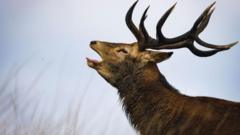
To a casual visitor, the sight of a magnificent red deer stag stepping out from the tree line feels like a magical encounter straight out of a fairy tale. These creatures are the undisputed monarchs of London's largest Royal Park, roaming freely much as they have since the seventeenth century. But magic has boundaries. And when those boundaries dissolve, tragedy is never far behind.
The stag did not charge out of malice. It moved with the quiet, deliberate confidence of an animal that knew exactly what it was looking for. It smelled bread. It smelled processed sugar, processed fats, and the unmistakable scent of human provisions. Driven by an appetite entirely unnatural to its species, the massive animal approached the picnic group.
What happened next unfolded in seconds. A man in his sixties, enjoying his afternoon, suddenly found himself confronting a wall of muscle and bone. The stag struck, inflicting severe chest injuries before emergency services could be summoned at 18:16 BST. Paramedics arrived swiftly, rushing the injured man to a hospital where medical staff later assessed his wounds as non-life-threatening. He was lucky.
The stag was not.
Within hours, a grim administrative reality overshadowed the afternoon's violence. Park authorities made the decision that the animal had to be put down. Not because it was inherently monstrous, but because it had learned a fatal lesson. It had learned to associate humans with food.
Consider what happens long before an attack takes place. Month after month, viral clips circulate across social media platforms, capturing scenes that make conservationists wince. Tourists and local visitors alike are filmed tempting wild stags with carrots, crisps, and bread, treating majestic wildlife like petting zoo attractions or stray dogs. Children giggle as a massive buck lowers its head to take food directly from an outstretched hand.
It looks harmless on a smartphone screen. It feels like a moment of transcendent connection with nature. But behind the lens, a dangerous psychological shift occurs within the animal.
Wild deer possess an innate, healthy wariness of human beings. That instinct is their primary armor, keeping them at a safe distance and preserving the fragile boundary between urban civilization and untamed nature. When humans repeatedly offer handouts, that armor strips away piece by piece. The natural fear is replaced by expectation, then entitlement, and finally aggression when the food does not appear fast enough.
A stag weighing hundreds of pounds, armed with sharp antlers capable of lethal force, cannot be allowed to wander a public park viewing every picnicker as a vending machine. Once an animal loses its fear of man and crosses the line into physical attack, park management faces an impossible binary choice. Public safety must come first. The animal pays with its life for human carelessness.
The incident in Richmond Park is not an isolated aberration. It is the predictable cumulative total of thousands of small, thoughtless boundary violations. It is the consequence of treating a national nature reserve like an urban park.
The Royal Parks maintain strict, unambiguous guidelines for anyone stepping onto the grounds. Visitors are urged to keep a minimum distance of 164 feet, roughly fifty meters, away from the deer at all times. The directive is absolute: never feed them, never touch them, and never attempt to shoo them away with sticks or loud noises. If an animal approaches a picnic area, the correct response requires calm discipline. Put the food away. Pack the packaging out of sight. Stand up and walk away slowly.
Yet signs are ignored. Verbal warnings from park rangers are brushed aside. The illusion of safety lulls visitors into a false sense of security, fueled by the docile appearance of the deer during the lazy summer months.
True respect for wildlife does not look like intimacy. It looks like distance. It looks like leaving animals to forage on the native grasses, acorns, and ferns that nature provided, rather than introducing processed human diets that disrupt their digestion and alter their behavior.
A man recovering in a hospital ward carries the physical scars of an avoidable encounter. Somewhere beneath the ancient canopy of Richmond Park, a magnificent stag is gone—not because it was wild, but because we forgot how to let it be wild.