Walk down any British high street on a Tuesday morning in November, and you will find the rhythm of commerce tuned to a very specific frequency. It is the sound of rattling wire baskets, the fluorescent hum of overhead panels casting a pale glow over mountains of discounted kitchenware, and the quiet, determined rustle of crinkling plastic bags. For decades, this sonic landscape has been anchored by a peculiar kind of retail magic: the single-price promise. Everything for a pound. A simple coin dropped onto a rubber mat, exchanged for a box of cereal, a tube of toothpaste, or a plastic toy that will entertain a child for precisely twenty minutes before disappearing into the cushions of a sofa.
We built our habits around that coin.
Behind the cheerful orange signage and the improbable bargains, however, a much heavier machinery has been grinding against the gears of modern economics. Supply chains fractured by global shocks, inflation biting into every thin margin, and the relentless creep of operational costs have turned the discount model from a clever retail trick into a high-stakes tightrope walk.
Enter the prospective saviors from across the Irish Sea.
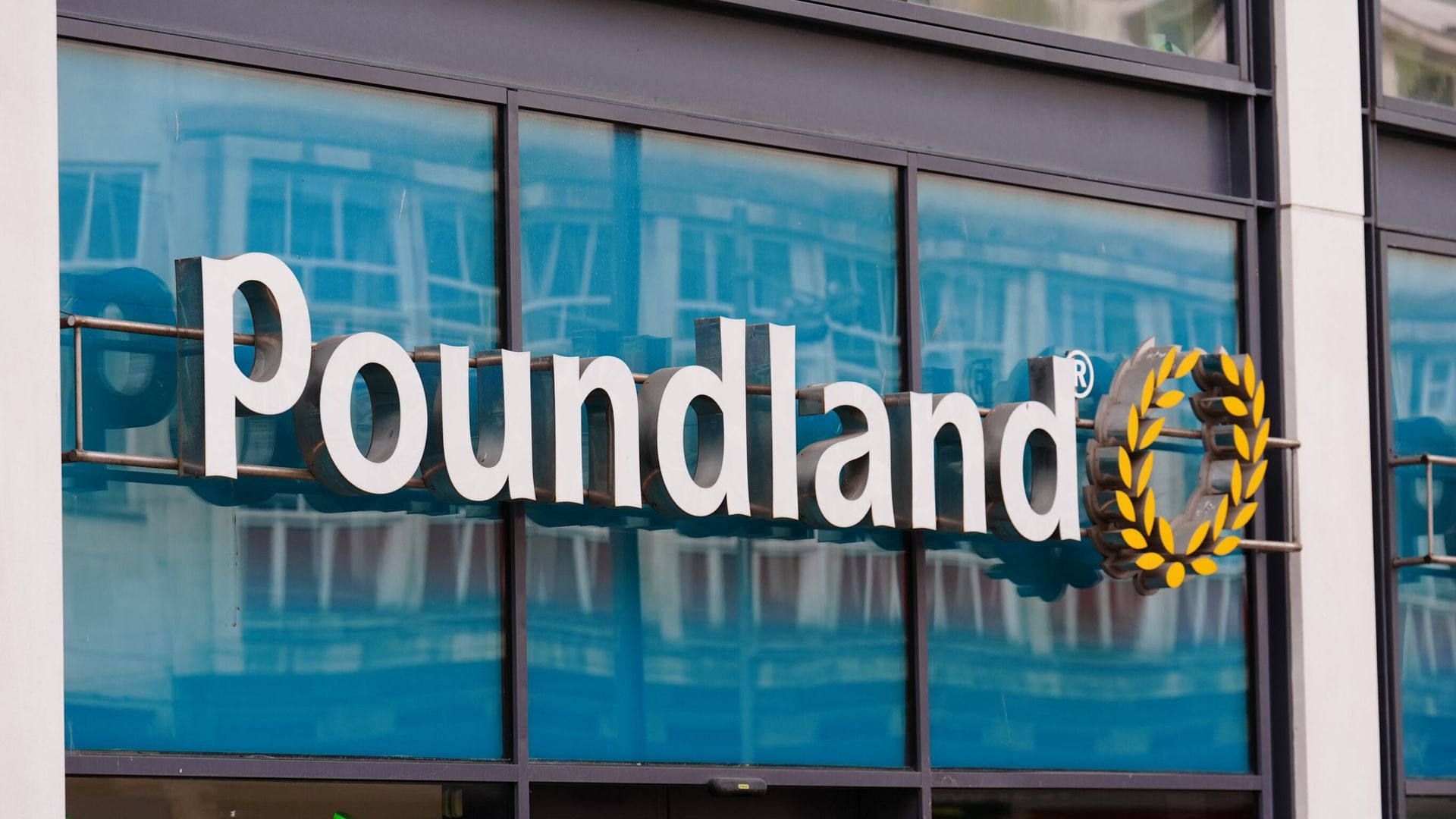
Reports emerged that an Irish property group had entered talks about a rescue deal for Poundland, casting a sudden, sharp light on the vulnerability of a retail titan that millions rely on for the basics of daily survival. To understand why a property developer would circle a discount retailer, you have to look past the balance sheets and step onto the sticky linoleum of a local store in a post-industrial town where the options have long since dwindled to zero.
Consider Margaret, a hypothetical shopper whose reality is lived entirely in the margins. Margaret is sixty-four, lives alone in a terrace house with a temperamental boiler, and manages her household on a fixed pension that seems to shrink every time she visits the electricity meter. For Margaret, the local discount store is not just a shop. It is a financial buffer. When the washing powder at the major supermarket chain climbs to eight pounds, the smaller equivalent tucked behind the orange plastic banner feels like a temporary truce with an increasingly hostile world.
When a brand like this stumbles, the shockwaves do not register merely as a dip in quarterly earnings for corporate shareholders. They register in the tightening of chests in kitchens across the country.
The mechanics of modern discounting are brutal. When your entire value proposition is anchored to a rigid price point, you absorb every single macroeconomic blow internally. Inflation does not knock politely; it kicks the door down. The cost of container shipping from overseas factories multiplied. Minimum wage adjustments, while necessary for the survival of workers, add staggering operational weight to businesses operating on paper-thin margins of pennies per item. Add to this the shifting dynamics of commercial real estate—where landlords demand rents that reflect boom times of the past rather than the fragmented reality of the present—and you begin to see why a property group is uniquely positioned to intervene.
Property, after all, is about footprint. And Poundland’s greatest asset has always been its physical ubiquity.
They are everywhere. In the dead center of bustling metropolitan hubs, tucked into strip malls on the outskirts of mid-sized towns, and occupying the prime retail slots left behind when department store giants packed up and abandoned the high street. These locations are not merely retail boxes; they are civic anchors. When a discount store closes its doors, the domino effect on neighboring butchers, bakeries, and independent cafes is immediate and devastating. Footfall evaporates. The street goes quiet.
This is why the rescue talks matter. They are an attempt to reconfigure the plumbing of a retail institution before the pressure becomes catastrophic.
Yet, rescuing a discount giant is not simply a matter of injecting capital and hoping for the best. It requires a fundamental reckoning with how we consume. For years, consumers have been trained to expect rock-bottom prices without ever asking who absorbs the invisible cost. Someone always pays. Sometimes it is the worker whose hours are trimmed. Sometimes it is the manufacturer forced to shave grams off a product package while charging the same amount. And sometimes it is the corporate parent, watching debt obligations balloon while trying to modernize an empire of bricks and mortar in an age dominated by digital juggernauts.
The negotiations unfolding behind closed doors represent a collision between old-world retail grit and new-world financial restructuring. Private equity and property developers do not step into retail turnarounds out of romantic attachment to the high street. They see asset value, lease optimization opportunities, and the potential to extract operational efficiencies from a sprawling portfolio that has perhaps grown too fast for its own good.
But numbers on a spreadsheet miss the texture of the experience.
Think back to the last time you wandered down one of those crowded aisles. You were probably looking for something mundane—AA batteries, dish soap, or wrapping paper for a last-minute birthday. But you likely walked out with a paper bag containing three things you did not know you needed and a quiet sense of satisfaction that you had beaten the system, if only by a few quid. That psychological comfort is powerful. It is the feeling of agency in a world where everything else seems increasingly expensive and out of reach.
If the rescue deal succeeds, it will not happen overnight, and it will not look like a fairy-tale rescue. There will be tough restructuring choices. Underperforming leases will be scrutinized. Supply chains will be squeezed further. Management will have to decide whether to lean harder into clothing and chilled groceries—higher-margin categories that have transformed these stores from simple variety shops into genuine neighborhood convenience hubs—or double down on the nostalgic thrill of the single-price treasure hunt.
If it fails, the void will be felt instantly. Not just by the landlords or the creditors, but by the millions of households for whom these aisles represent the difference between making ends meet and falling short.
The high street has always been a fragile ecosystem, a delicate dance between what people need, what they can afford, and what the market will bear. Right now, that dance has turned frantic. The music is speeding up, the floor is trembling, and everyone is watching the door to see who steps in to catch the partner before the fall.
Outside, the November wind rattles the metal shutters of a branch closing its doors for the evening. A solitary shopper pulls her coat tighter against the chill, looks down at her bag of bargains, and keeps walking into the dusk.