The air inside the West Wing on a Friday afternoon is usually thick with the quiet, exhausting hum of an impending weekend. But last Friday, the atmosphere turned clinical, cold, and quiet in a different way.
The transition from a routine administrative day to a high-pressure crisis zone happened without warning. Kash Patel, who had been on his way to Chicago, found his travel plans instantly scrapped. Instead, he was redirected back to 1600 Pennsylvania Avenue, stepping into an office directly adjacent to Chief of Staff Susie Wiles. Together, they established what those on the inside called a "war room".
The mission was not to untangle a foreign crisis or broker a legislative deal. It was to find a name.
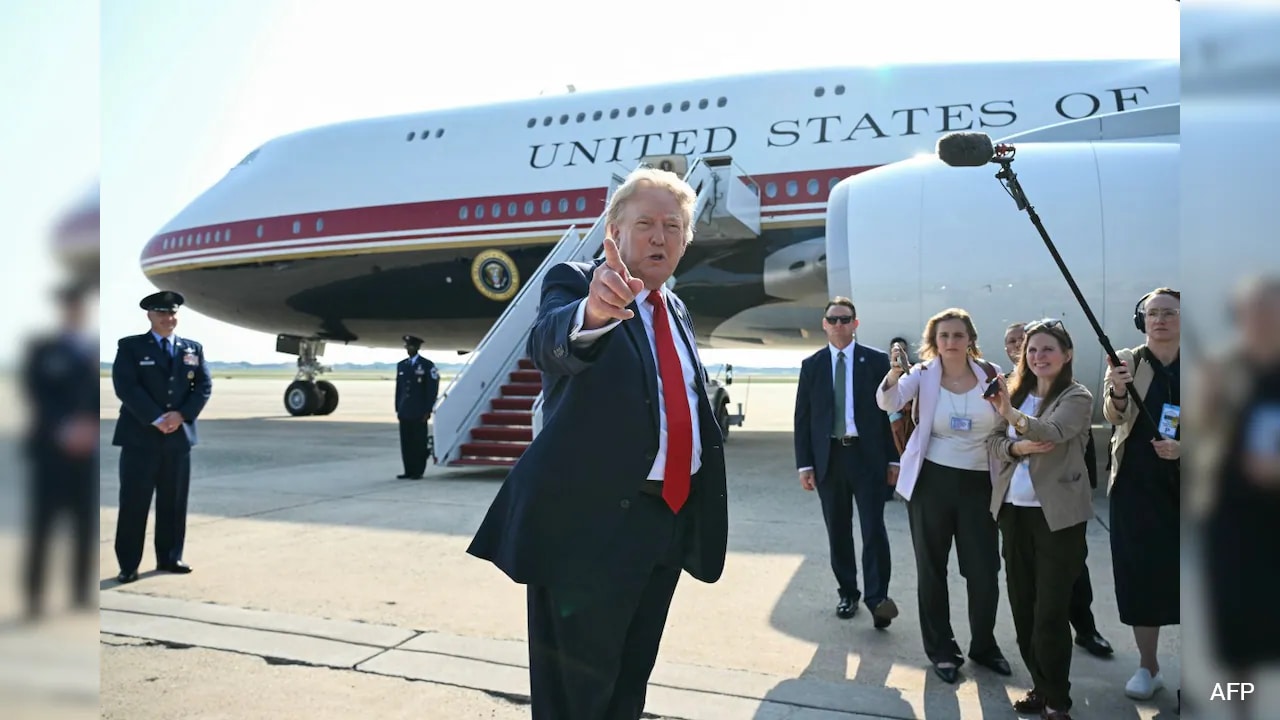
The hunt was triggered by a leak—specifically, details showing up in the press about security flaws on a $400 million Boeing 747 gifted by Qatar, which was being prepared to serve as the new Air Force One. For hours, Patel and Wiles coordinated an aggressive inquiry. Before long, officials walking through the West Wing were asked to do something that felt unthinkable in a modern professional environment: hand over their personal cell phones.
To understand how a multi-million-dollar diplomatic gift ended up triggering a digital dragnet in the heart of Washington, you have to look at the unique psychology of the modern presidency.
The Weight of the Flying White House
Every president treats Air Force One as more than just a transportation vehicle. It is a flying fortress, a sovereign piece of American soil, and a towering symbol of national prestige. When Qatar gifted the luxurious, customized Boeing 747, it was envisioned as a state-of-the-art upgrade.
But a jet designed for royal luxury is fundamentally different from a military-grade command center.
Behind the scenes, security officials quietly raised the alarm. The Qatari-gifted plane, though highly modified, lacked the deep, layered defensive systems of the older presidential aircraft—including critical anti-missile countermeasures. During a recent NATO summit in Turkey, the Secret Service reportedly advised against flying the new jet back to Washington, prompting a sudden, highly visible switch to the older, more secure model.
The President publicly downplayed the decision, claiming the new plane was sent ahead early simply so service members in England could tour it. Yet behind closed doors, the public exposure of these security gaps sparked immense frustration.
The embarrassment of having a flagship symbol of American power deemed "insufficiently secure" by his own security detail was too much to ignore.
The reaction was swift, sweeping, and designed to send a chilling message through the ranks of the federal government.
The Handover in the West Wing
In the high-stakes world of national security, your phone is not just a communication tool. It is your life, your Rolodex, your private thoughts, and your shield.
Imagine standing in a West Wing office, a senior official who has spent decades navigating the delicate balance of government service, being asked by the President’s closest allies to surrender your device. The request bypasses the traditional, methodical steps of an administrative review. It is immediate. It is raw.
But a funny thing happens when a system is pushed too hard: some parts of it resist.
Several officials flatly refused to hand over their phones. They knew that consenting to a voluntary search without formal legal counsel could leave them exposed. Across federal agencies, internal warning systems began to blink. At least one major department sent an urgent email warning its employees: if an outside agency contacts you demanding information or personal devices, do not comply blindly. Contact your agency attorneys immediately.
The tension was no longer just about a plane's defense systems. It was a domestic civil war over executive overreach, civil liberties, and the boundaries of loyalty.
Knocking on the Journalists' Doors
If the internal hunt for the leaker was tense, what happened next blew the conflict into the public square.
Early Saturday morning, the Justice Department escalated the battle, delivering grand jury subpoenas directly to four New York Times journalists who had broken the story about the plane’s security issues. In some cases, federal agents arrived directly at the reporters' private homes to hand-deliver the orders.
The goal was clear: bypass the internal government suspects and force the writers to reveal their sources under oath.
Legal representatives for the paper called the move an egregious overreach, arguing that using federal law enforcement to corner journalists on their doorsteps "should shock the conscience of any American." The Justice Department countered, stating that while they value the free press, they cannot turn a blind eye to government officials leaking classified details that could compromise the physical safety of the Commander-in-Chief.
But the real problem lies elsewhere. When the line between national security and political reputation becomes blurred, the tools of the state are easily turned inward.
A $400 million gift, meant to project luxury and strength, instead exposed a deep vulnerability—not just in the hull of a Boeing 747, but in the fragile ecosystem of trust that keeps a democracy functioning. The phones remain locked, the subpoenas are being challenged in court, and the hunt for the silent source continues in the shadows of the West Wing.
Meanwhile, the old Air Force One continues to fly, carrying the weight of a presidency that is increasingly suspicious of its own shadow.