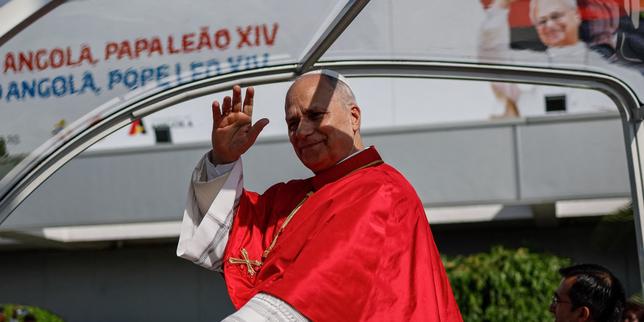
Angola isn't just another country on a map for the Vatican. It's a flashpoint where massive mineral wealth meets staggering poverty. When Pope Francis arrived in Luanda, he didn't stick to the usual religious platitudes. He went straight for the throat of a global economic system that treats African soil as a grocery store and its people as an afterthought. You can't talk about Angola without talking about the "logic of exploitation" that he hammered home during his visit. It's a system where the profit from oil and diamonds disappears into offshore accounts while the local environment burns.
The message was clear. Don't just look at the GDP numbers. Look at the children in the slums of Sambizanga. Look at the rivers fouled by extraction. Francis isn't just a religious leader here; he’s acting as a geopolitical whistleblower. He pointed out that the "social and environmental catastrophes" we see today aren't accidents. They're the intended result of a mindset that puts market share above human dignity.
Why the Vatican is Targeting the Extraction Economy
Angola is the second-largest oil producer in sub-Saharan Africa. That sounds great on paper. In reality, that wealth hasn't trickled down. It’s stayed at the top. The Pope’s critique centers on the idea that when you view a nation solely as a source of raw materials, you stop seeing the people living on top of those materials. This isn't just a "developing world" problem. It’s a global consumption problem.
He spoke about a "predatory" approach. This isn't just colorful language. It’s a direct hit on multinational corporations and local elites who collaborate to strip-mine the country’s future. The Pope argued that this logic creates a double wound. First, it kills the environment. Second, it shreds the social fabric. When people see their land destroyed and get nothing in return, the foundation of a stable society crumbles. You end up with a country that’s rich in resources but poor in hope.
The Environmental Cost Nobody Wants to Pay
We often hear about climate change in abstract terms. In Angola, it's concrete. It's about land degradation. It's about the loss of biodiversity that rural communities depend on for survival. Francis linked the cry of the earth with the cry of the poor. They’re the same thing. You can’t fix one without fixing the other.
Mining operations often leave behind a wasteland. Companies extract what they need and move on, leaving the local population to deal with the toxic leftovers. This isn't just bad business. It’s a moral failure. The Pope’s visit highlighted that "stewardship" isn't a suggestion. It’s a requirement. He’s pushing for a shift toward an "integral ecology." That basically means recognizing that everything is connected. If you poison the water to get the gold, you’re eventually going to kill the village that needs that water. It’s a zero-sum game that the poor always lose.
Corruption and the Social Divide
You can't ignore the elephant in the room. Corruption. Angola has struggled with it for decades. While the elite class enjoys luxury in Luanda’s high-rises, the majority of the population lives on less than two dollars a day. The Pope’s comments on "social catastrophes" were a veiled but sharp critique of how wealth is distributed.
He called for transparency. He called for a politics that serves the common good rather than private interests. It’s a tough pill to swallow for those in power. But for the millions of Angolans who flocked to see him, it was a rare moment of being heard on the world stage. He basically told the leadership that their legitimacy doesn't come from their bank accounts, but from how they treat the most vulnerable citizen in the furthest province.
Breaking the Cycle of Exploitation
So, where do we go from here? The Pope didn't just come to complain. He came to demand a change in direction. This means moving away from an economy that’s purely extractive. It means investing in people through education and healthcare. It means creating a diversified economy where a country isn't held hostage by the price of a barrel of oil.
International observers often miss the spiritual dimension of this. Francis is arguing that greed is a literal sickness. It blinds people to the reality of their neighbors. To break the cycle, there has to be a shift in how we value "progress." If progress means a few people get billionaires while the desert expands and the slums grow, then it isn't progress. It’s regression.
Real Steps Toward Change
If you're looking at this and wondering what actually changes, look at the local movements. The Pope's visit gave a massive boost to Angolan civil society and church groups working on the ground. These are the people fighting for land rights and clean water every day.
They need more than just prayers. They need policy changes.
- Demand transparency in resource contracts. The public should know where the money goes.
- Support local agricultural initiatives that restore the land instead of stripping it.
- Pressure multinational companies to adhere to the same environmental standards in Africa that they do in Europe or North America.
The "logic of exploitation" only works when it stays in the dark. By bringing these issues to the forefront, the Pope is shining a light that’s very hard to turn off. The world is watching Angola now, and the excuse of "business as usual" doesn't work anymore. Hold the leaders accountable. Support the organizations monitoring the environmental impact of mining. Most importantly, stop treating African economic issues as separate from your own lifestyle. The oil in your car and the minerals in your phone often come from the very places the Pope is trying to protect. Start by being a conscious consumer and an informed citizen.