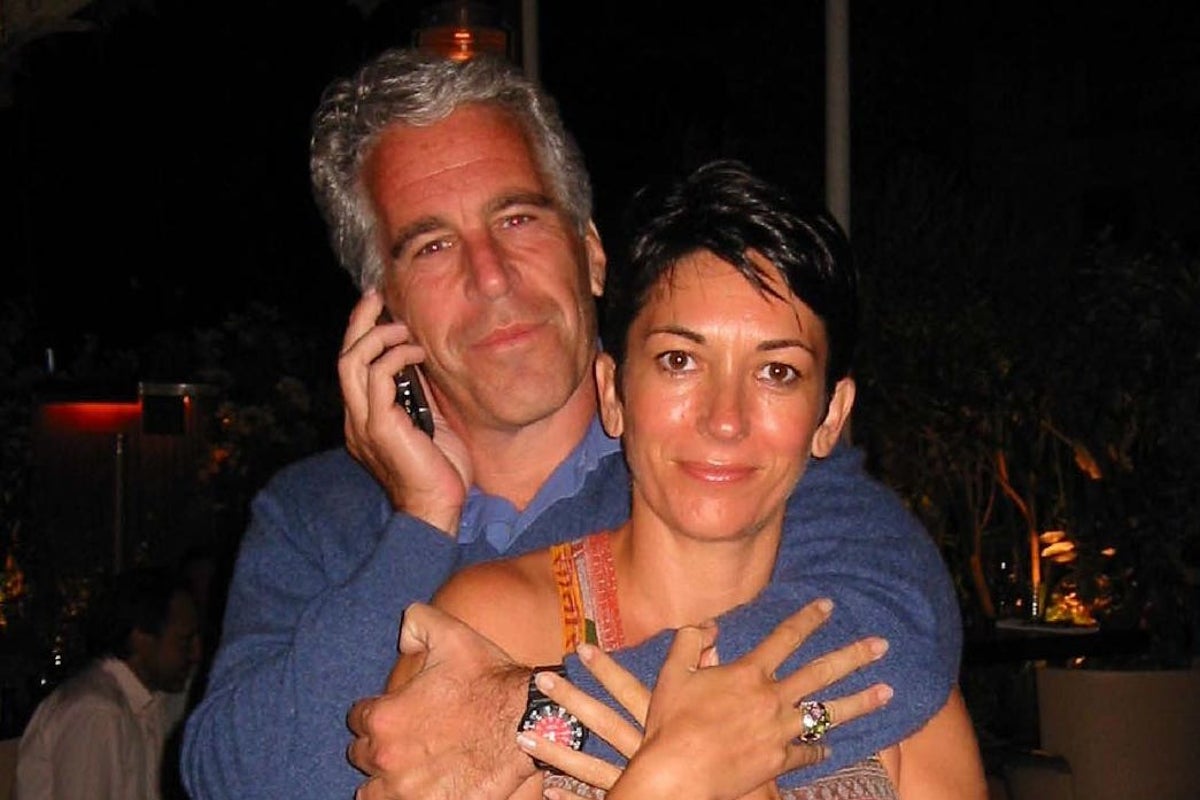
The rumors circulating within Ghislaine Maxwell’s legal circle suggest a desperate gamble is underway. Her defense team, led by Arthur Aidala, has publicly floated the idea that a return of Donald Trump to the White House could result in a presidential pardon for the convicted sex trafficker. This isn't just wishful thinking from a high-priced lawyer. It is a calculated move to inject Maxwell’s case back into the hyper-partisan bloodstream of American politics.
Maxwell is currently serving a 20-year sentence for her role in Jeffrey Epstein’s sprawling network of sexual abuse. To her legal team, a pardon is the only remaining escape hatch after a series of failed appeals. To the public, however, such a move would represent the ultimate betrayal of the victims who spent decades fighting to bring the Epstein circle to justice. The central question isn't just whether a president can pardon her, but whether the political fallout would be worth the cost.
The Legal Strategy Behind the Public Plea
Lawyers rarely make bold claims about pardons in the media without a specific objective. By suggesting there is a "good chance" of a pardon, Aidala is signaling to a specific base of political supporters. The narrative being pushed is one of "selective prosecution." The defense argues that Maxwell was a scapegoat, punished while the powerful men who actually frequented Epstein’s islands and townhouses remain free.
This argument resonates with a segment of the electorate that views the Department of Justice with deep suspicion. If Maxwell’s team can frame her conviction as a product of a "deep state" agenda rather than a clear-cut criminal case involving the grooming of minors, they create the necessary friction to justify executive intervention. It is a play for sympathy in the court of public opinion, designed to make a pardon look like an act of "correction" rather than a favor for an elite socialite.
The Trump Connection and the Epstein Shadow
The history between Donald Trump and the Epstein-Maxwell circle is well-documented and messy. While Trump famously banned Epstein from Mar-a-Lago after a dispute, he also famously "wished her well" during a 2020 press conference shortly after her arrest. That comment sent shockwaves through the legal community. It was a rare moment of public empathy for a woman facing some of the most heinous charges imaginable.
Trump’s record with pardons suggests he is not afraid of controversy. He has used his executive power to clear individuals who were investigated by the same agencies that targeted him. However, Maxwell is a different animal. Unlike political allies like Roger Stone or Michael Flynn, Maxwell is the face of a child sex trafficking ring.
Political survival usually outweighs personal loyalty. Supporting Maxwell carries a unique kind of toxicity. Even for a politician who thrives on breaking norms, the optics of freeing a woman convicted of procuring children for a pedophile are objectively disastrous. It would alienate suburban voters and provide endless ammunition for political rivals.
The Scapegoat Narrative vs. The Reality of Evidence
The "scapegoat" defense falls apart under the weight of the trial testimony. Maxwell wasn't convicted on a whim. The prosecution presented a meticulous timeline of her involvement, backed by the harrowing testimony of women like "Jane," who described in detail how Maxwell groomed her.
Maxwell’s team argues that since no "principals" (the men who abused the girls) were charged alongside her, her conviction is inherently unfair. This is a logical fallacy. In the world of federal prosecutions, you take the wins you can get. The death of Jeffrey Epstein in a federal lockup left a vacuum in the justice system. The government moved on Maxwell because she was the most senior surviving member of the conspiracy.
- Fact: Maxwell was found guilty on five of six counts.
- Fact: The jury deliberated for five days, indicating a thorough review of the evidence.
- Fact: Her appeals have consistently been denied because the trial was procedurally sound.
To claim she is a victim of "unfairness" ignores the dozens of actual victims who were traumatized by her actions. The pardon conversation attempts to flip the script, turning the predator into a political martyr.
Why a Pardon is a Long Shot
While the rhetoric is loud, the path to a pardon is fraught with obstacles. The Department of Justice has a formal pardon process, usually involving a background check and a recommendation from the Pardon Attorney. While a president can bypass this—as Trump often did—doing so for a sex trafficker would be unprecedented in modern history.
There is also the matter of the other names in the Epstein files. For years, the public has demanded the "list" of Epstein’s associates. If a president were to pardon Maxwell, the immediate counter-demand would be the full, unredacted release of every document related to the case. This would likely implicate individuals across the entire political and business spectrum. A pardon doesn't just silence a case; it reopens a wound that many in power would prefer stayed closed.
The Role of the Victims
We cannot discuss the legal maneuvering of Ghislaine Maxwell without centering on the women she harmed. For Sarah Ransome, Annie Farmer, and many others, the trial was a grueling process of reliving their darkest moments. A pardon would be a definitive statement from the US government that their suffering is secondary to political gamesmanship.
If the goal of the justice system is deterrence, pardoning Maxwell would achieve the opposite. It would signal to traffickers that if you have enough money and the right political connections, the law does not apply to you. It would effectively dismantle the progress made by the #MeToo movement in holding powerful enablers accountable.
Following the Money and the Influence
Maxwell’s defense has been incredibly expensive. This suggests that despite being behind bars, she still has access to significant resources or wealthy backers who have a vested interest in her silence or her freedom. When a lawyer goes on a media tour to discuss a pardon, it is often a signal to these backers that the fight is still alive.
The reality of the American legal system is that it operates on two tracks. There is the track for the average citizen, and there is the track for those who can afford to keep the conversation going long after the verdict is read. Maxwell is firmly on the second track. Her team is betting that if they can keep her name in the headlines long enough, the political climate will eventually shift in her favor.
The Institutional Risks
Beyond the immediate political fallout, a pardon for Maxwell would cause a revolt within the Department of Justice and the FBI. The agents who spent years tracking her down and the prosecutors who built the case would see their work discarded for a political whim. This kind of institutional damage is difficult to repair. It breeds cynicism and undermines the morale of those tasked with investigating human trafficking.
The US government has spent millions of dollars investigating the Epstein network. To throw that away would be an admission of institutional failure. It would suggest that the system is so broken that a jury’s unanimous verdict can be wiped away by a single pen stroke, not because of new evidence, but because of a "vibe" or a political debt.
The Silence of the Elites
Notice who isn't talking about the Maxwell pardon. The former presidents, the CEOs, and the royalty who once graced Maxwell’s dinner parties have gone silent. They are not coming to her defense. They are not filing amicus briefs. They want her to remain in her cell in Tallahassee, where she can't talk.
A pardon would put Maxwell back in the spotlight. It would mean more interviews, more books, and more opportunities for her to name names. For many of the world’s most powerful people, Maxwell being pardoned is actually a nightmare scenario. They prefer her tucked away, a ghost of a previous era.
The Final Calculation
Arthur Aidala’s confidence may be a performance for a client who is paying him handsomely to provide hope. In the cold light of political reality, Ghislaine Maxwell is a liability. She offers no upside to a political candidate. She brings only the stench of a scandal that most of the world is desperate to forget.
The justice system served its purpose in the Maxwell trial. It provided a venue for the truth, a platform for the victims, and a definitive judgment on a lifetime of exploitation. Any attempt to subvert that judgment through a pardon would not be an act of justice, but an act of war against the rule of law itself.
Maxwell remains in her cell, and the legal maneuvers will continue. But the American public has a long memory when it comes to the betrayal of children. No amount of legal posturing or political maneuvering can erase the testimony of the women who stood in that courtroom and looked Ghislaine Maxwell in the eye.
The gate is closed. For now, the only thing Maxwell’s lawyers have is the ability to talk to a camera and hope someone is listening. They are shouting into a void of their own making.



