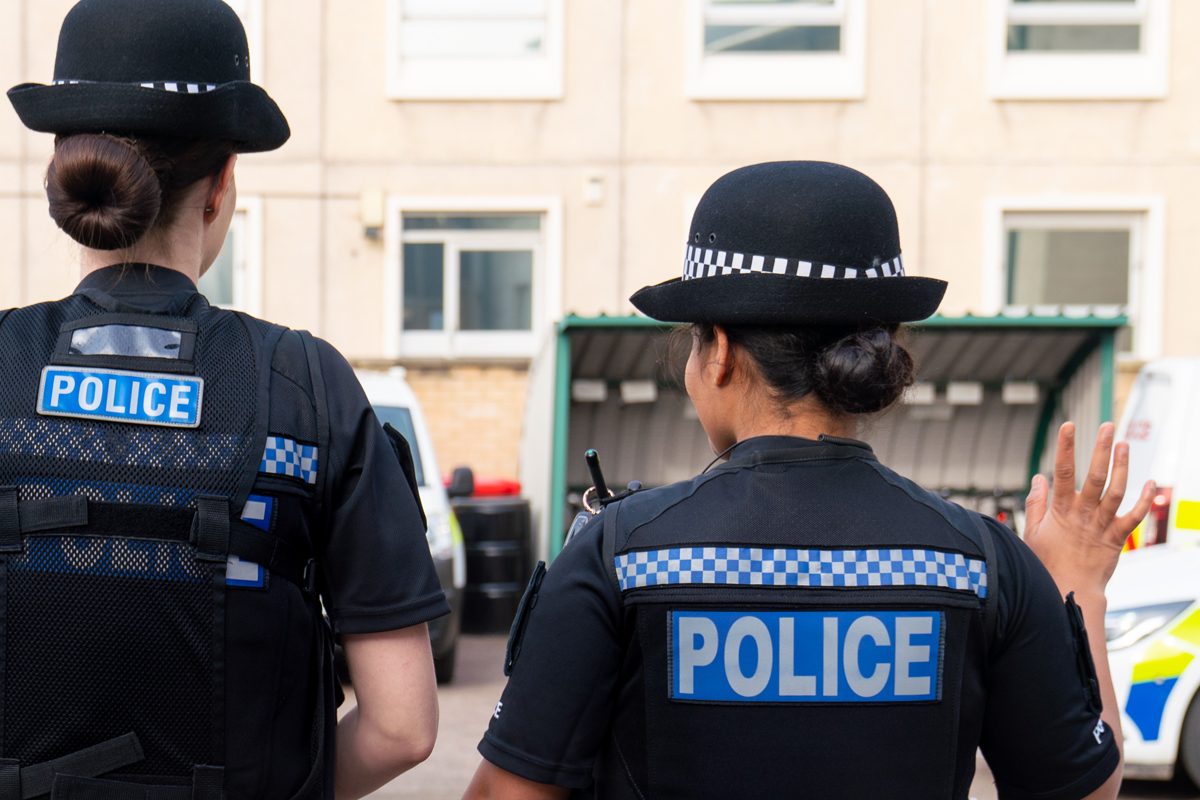
Standard reporting on street clashes treats police brutality allegations and protester violence as two parallel headlines rather than parts of a single feedback loop. In Albania across 2026, demonstrations sparked by contested coastal and island tourism projects—including disputes around Rrjoll and Sazan Island—evolved into broader anti-government mobilization and student-led street actions in Tirana, accompanied by tear gas, water cannons, property damage, hundreds of reported injuries across protesters and officers, and steep attendance fines. Understanding why these confrontations intensify requires mapping the institutional incentives, tactical thresholds, and credibility trade-offs that turn localized grievances into recurring street battles.
How Standard Coverage Misses the Escalation Loop
Surface-level coverage usually follows a predictable sequence: demonstrators gather over a specific policy or governance grievance, a subset of actions turns destructive, riot police deploy less-lethal force, and rival sides trade blame over misconduct and public order. That framing captures the visible friction of a single day, yet it obscures how each move reshapes the next day's crowd composition and tactical calculus.
A stronger analytical lens treats street unrest as an iterative game between three actors:
- Mobilized citizens and students, whose perceived costs of inaction rise when economic pressure, land disputes, or institutional frustration feel unresolved.
- Public order forces and interior leadership, tasked with containing disorder while operating under political directives and scrutiny.
- Political executives and oversight bodies, who manage domestic legitimacy alongside external diplomatic expectations such as European Union accession benchmarks.
When coverage isolates individual clashes from this three-actor dynamic, it misses why heavy-handed crowd control can suppress immediate street presence while expanding long-term political grievance.
The Four Drivers Behind Albanian Street Clashes
Property Disputes and Development Friction
Early 2026 flashpoints in northern Albania around Rrjoll and later coastal and island development debates showed how local land and environmental conflicts scale into national protests. When residents challenge ownership records, environmental safeguards, or fast-tracked projects, disputes over parcels and permits quickly become symbols of perceived favoritism and weak institutional recourse. Once a local dispute is read as evidence of systemic bias, solidarity rallies in the capital widen the protest coalition beyond the original affected community.
Generational Grievances and Student Mobilization
As unrest moved into autumn 2026, student-led demonstrations around university conditions, higher education costs, and broader dissatisfaction with long-serving leadership changed the rhythm of the protests. Students bring dense campus networks, lower immediate household obligations than older wage earners, and high visibility. When grievances span from land and corruption to tuition, campus facilities, and future prospects, protests gain staying power across consecutive days and weeks.
Use of Force and Allegations of Excessive Response
Clashes in Tirana have involved stones, barricades, and fires alongside tear gas, water cannons, and reported batons or rubber munitions, resulting in injuries to both officers and demonstrators. Human rights monitors, civil society groups, and journalists' associations have raised alarms over indiscriminate force, arbitrary detentions, and interference with press coverage. Operationally, when crowd control lacks clear de-escalation markers or visible individual accountability, peaceful participants and bystanders can be swept into the same perimeter as violent actors—turning tactical containment into a political grievance of its own.
Deterrence via Fines and Political Framing
In late October 2026, authorities moved to raise the financial cost of street participation by introducing steep fines—reported at six times the average monthly salary—for individuals present at a protest that turns violent, even without proving personal involvement in violence. At the same time, officials have pointed to external misinformation and foreign actors while calling for dialogue. Collective financial penalties can deter marginal attendees who fear legal or economic fallout, yet they also risk alienating moderate citizens and drawing sharp scrutiny from European partners focused on rule-of-law standards.
Cause-and-Effect Chains That Drive Escalation
Tracking how these variables interact reveals three mechanisms that standard reporting often treats as separate facts:
- Broad-perimeter tactics convert bystanders into antagonists. When tear gas, mass sweeps, or heavy batons hit mixed crowds near government buildings or ministries, individuals who arrived to chant or observe experience physical risk and perceived injustice. That shared experience lowers the social barrier to returning the next day with harder tactics.
- Opaque accountability weakens institutional credibility. Official statements promising case-by-case review carry limited weight if arrests appear sweeping or court filings seem thin. Without rapid, transparent review of misconduct claims—and clear prosecution of actual violence—both police credibility and protester restraint erode.
- Externalizing blame delays domestic adjustment. Attributing unrest primarily to outside agitators or online manipulation may rally loyalists in the short run, yet it leaves domestic triggers—contested land rules, campus frustrations, and perceived governance bottlenecks—unaddressed.
What remains a hypothesis rather than a proven fact is whether harsher penalties like blanket attendance fines will permanently reduce street turnout or simply shift mobilization into sharper, smaller, and harder-to-police confrontations. Similarly, claims regarding foreign online influence require verifiable evidence rather than political assertion.
What Readers Usually Ask About Clashes and Brutality
- How do peaceful protests turn violent? Escalation rarely happens all at once. It typically builds when grievances feel blocked, radicalized or confrontational subgroups test police lines, and crowd-control measures affect mixed gatherings without clear separation between peaceful demonstrators and violent actors.
- Why do brutality allegations persist alongside reports of injured officers? Both can be true in the same street environment. Officers can suffer injuries from thrown objects, fires, or melee encounters while some units use disproportionate force, strike retreating people, or detain uninvolved individuals.
- What separates lawful public-order policing from abuse? Proportionality, necessity, discrimination between peaceful and violent actors, protection of journalists, and post-incident accountability. Force used to stop imminent harm differs fundamentally from punitive force against contained crowds or obstructive tactics aimed at silencing reporting.
- Why do EU accession ties matter during domestic unrest? Candidate status depends heavily on rule of law, fundamental rights, judicial independence, and environmental governance. Heavy-handed policing or contentious fast-tracked land legislation creates diplomatic friction precisely because democratic standards are part of the accession bargain.
Operational Playbook for De-Escalating High-Friction Protests
Lowering the risk of recurring street violence requires disciplined execution across policing, legal administration, and political communication rather than a single decree:
- Separate containment from mass punishment. Deploy targeted arrest teams against individuals committing arson, assault, or property damage rather than saturating entire plazas with chemical munitions or sweeping up uninvolved passersby.
- Enforce visible identification and press protection. Ensure officers wear clear identification, maintain designated corridors and protection for accredited journalists, and record use-of-force deployments so facts can be verified after the shift.
- Audit detentions and fines within 48 hours. Require prosecutors and independent oversight bodies to review arrest grounds quickly, drop unsupported detentions early, and calibrate penalties so peaceful participants are not financially ruined by the actions of third parties.
- Pair public-order restraint with concrete policy channels. Public safety teams cannot solve university funding, land-registry disputes, or environmental permitting on the pavement. Relief valves—such as transparent land-title audits, published environmental reviews, and structured student negotiations—reduce the underlying fuel feeding the crowd.
These operational steps face real limits. In a polarized political climate, protesters may distrust official review panels, while security commanders face intense pressure to keep ministries and streets open under volatile conditions. Even well-designed protocols fail if political leadership treats every concession as weakness or every critique as bad faith.
Strategic Recommendation
For policymakers, diplomats, and analysts tracking the unrest, the decisive move is to treat crowd-control reform and credible independent investigation of alleged police abuses as a core stability measure—not a secondary public-relations concession. Without verifiable accountability for excessive force and a narrower, evidence-based approach to detentions and fines, street clashes in Albania are likely to remain cyclical even when specific demonstrations pause.


