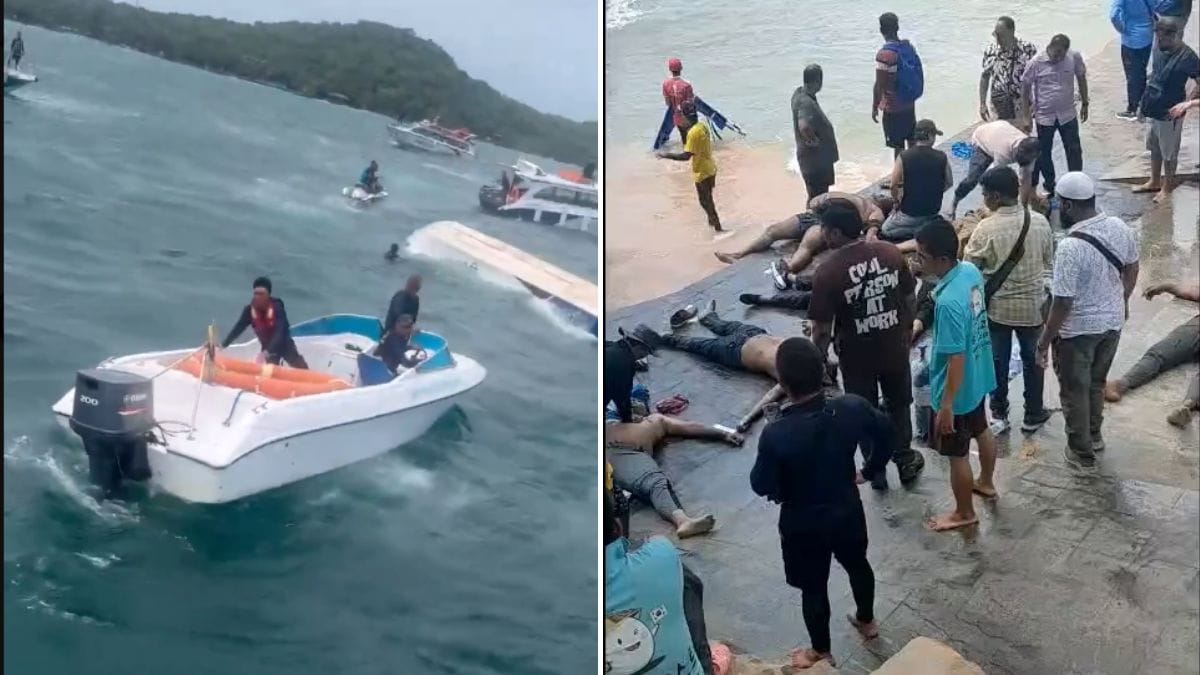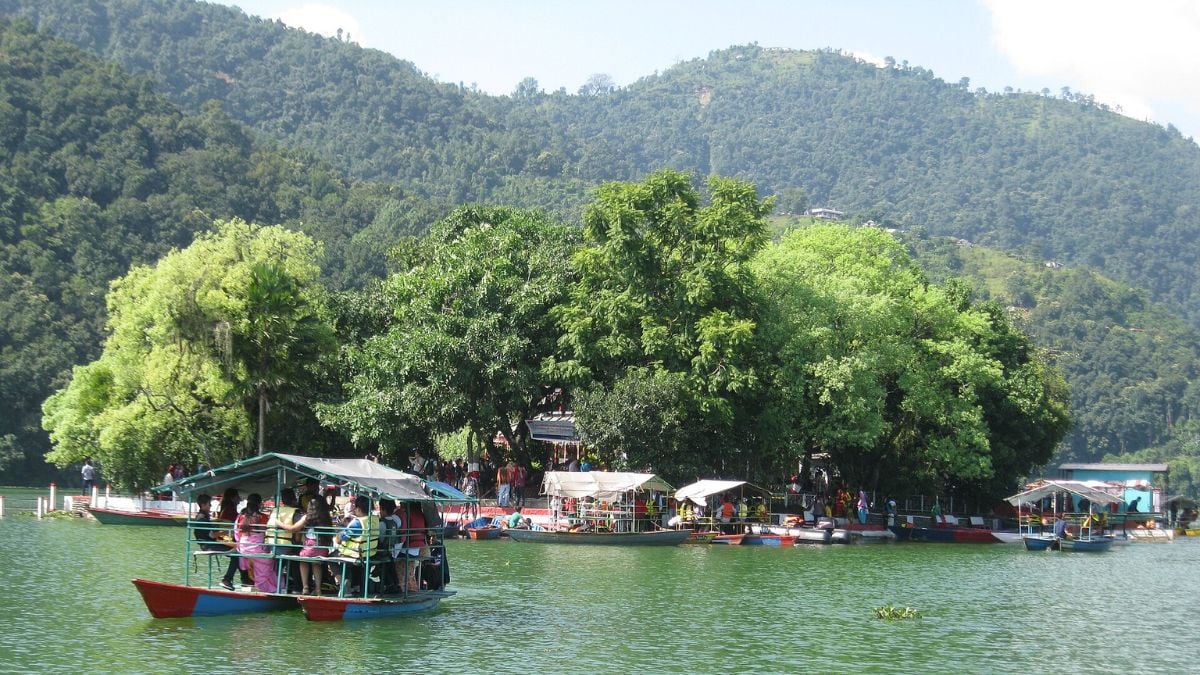
The standard media script for a travel tragedy is mind-numbingly predictable. A tourist drowns in an exotic location, the local outlets run a brief, clinical report about a "swimming accident with friends," and the public moves on, chalking it up to bad luck or individual recklessness.
When an Indian tourist recently lost his life in Nepal’s famous Phewa Lake, the reporting followed this exact blueprint. The lazy consensus implies that these incidents are random anomalies—isolated cases of poor judgment by overconfident swimmers.
That narrative is dangerously wrong. It completely misses the underlying mechanics of high-altitude aquatic environments.
The truth is much more systemic. People are not drowning in Phewa Lake because they lack swimming skills. They are drowning because they treat an alpine water body like a tropical resort pool. The travel industry’s relentless romanticization of Pokhara’s waters hides a brutal physical reality that catches even seasoned swimmers completely off guard.
The Thermal Shock Mirage
Most travelers look at a lake nestled under the Annapurna range and see a picturesque mirror. They do not see the thermocline.
In bodies of water like Phewa Lake, the top few inches might feel deceptively warm under the subtropical sun. But beneath that thin layer lies a massive drop in temperature, fueled by glacial runoff and high-altitude weather patterns. When a swimmer dives or wades deep into these conditions, they do not just get cold. They trigger a physiological emergency known as the cold shock response.
- Involuntary Gasp Reflex: The sudden plunge into deep, cold water forces an immediate, uncontrollable gasp for air. If your head is underwater when this happens, you inhale water directly into your lungs.
- Hyperventilation: Your breathing rate spikes instantly, making it impossible to coordinate swimming strokes or clear your airway.
- Vasoconstriction: The blood vessels in your limbs constrict violently to protect your core. Your muscles lose strength within minutes, leaving you incapacitated regardless of how many laps you can swim in a heated gym.
I have spent years analyzing safety protocols in rugged terrain, and the biggest mistake I see is the assumption that fitness equals survival. A swimming pool teaches you how to move through water; it does not prepare you for the sudden loss of motor control caused by a brutal thermal gradient.
The Overestimation of Familiarity
Another glaring blind spot in the standard reporting is the illusion of safety created by peer groups. The phrase "swimming with friends" is often used by media outlets as a comforting detail, implying that help was nearby.
In reality, swimming in unregulated natural waters with a group often creates a lethal bystander effect combined with a false sense of security. Group dynamics frequently push individuals to override their internal risk calculators.
A Common High-Altitude Scenario
Imagine a group of young travelers sitting on the banks of a stunning lake after a long trek. The sun is hot. The peer pressure is subtle but real. One person jumps in. The others follow to avoid looking timid. No one checks the depth, the currents, or the underwater vegetation. If one person begins to struggle, the others often fail to notice immediately because drowning is almost always silent. It is not the splashing, screaming spectacle seen on television; it is a quiet, suffocating disappearance.
By the time friends realize someone is missing, the window for a successful rescue has already closed.
Stop Funding the False Marketing Narrative
The tourism boards and local boat operators will not tell you this because their livelihoods depend on presenting Pokhara as a tranquil paradise. They offer boat rentals without mandatory life jackets for everyone on board, and they rarely post clear warnings about the underwater hazards, silt accumulation, and sudden drop-offs that characterize Phewa Lake.
We need to stop treating these incidents as unpredictable tragedies and start calling them what they are: completely preventable infrastructure failures combined with tourist ignorance.
If you want to survive your next high-altitude trip, throw out the romantic notion of wild, unregulated swimming.
- Never enter the water without a dedicated flotation device, no matter how strong a swimmer you think you are.
- Ignore the group momentum. If there are no active lifeguards and no clear depth markings, stay on the shore.
- Assume every mountain lake is a trap. Treat the water with the same hostility you would reserve for a steep, icy cliffside.
The mountains do not care about your vacation itinerary, and they certainly do not care about your swimming credentials. Stop treating treacherous alpine waters like a playground before the water claims you next.