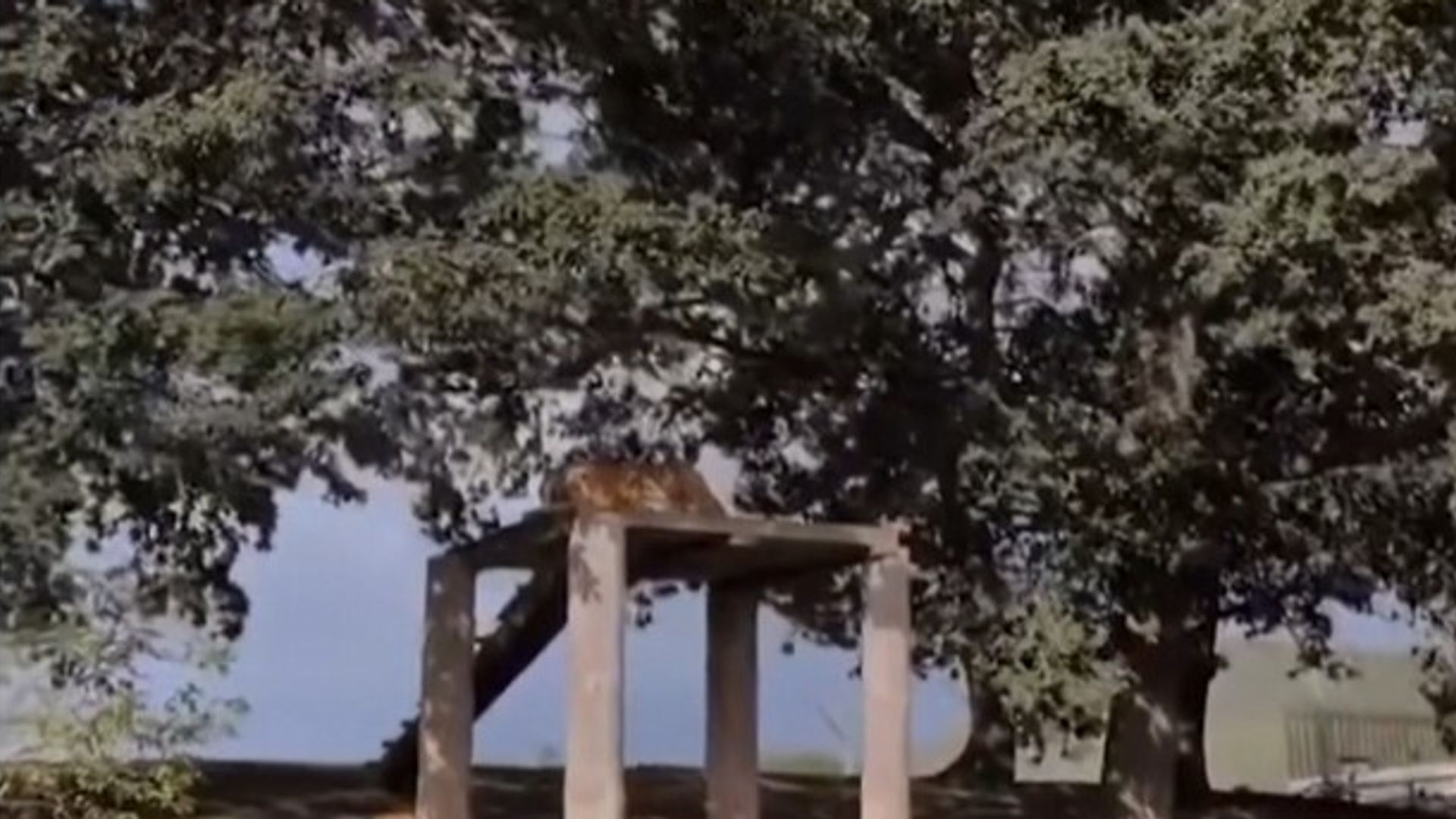
Videos capturing the final moments before a tragedy often spark intense public scrutiny. When a man bypassed security barriers to enter a tiger enclosure at the Yorkshire Wildlife Park, footage quickly surfaced showing his actions right before the fatal attack. People want to understand how a normal day at a zoo turns fatal in seconds.
The reality of wild animal behavior is something many visitors underestimate. Zoos build heavy fencing and deep moats for a reason, yet human error or deliberate trespass continues to override basic survival instincts. Let's look at what actually happens when humans cross lines meant to keep everyone safe. Recently making news lately: Why Workplace Poisoning Headlines Get the Real Danger Completely Backward.
The Illusion of Safety Around Captive Predators
We've grown accustomed to seeing wild animals behind glass, in movies, or on social media feeds. That constant exposure breeds a false sense of familiarity. When you look at an Amur tiger resting lazily in an enclosure, your brain registers a large cat rather than an apex predator capable of generating massive bite force and incredible acceleration.
In the incident at the Yorkshire Wildlife Park involving William Chapman, reports and eyewitness accounts noted unusual behavior prior to the breach, including posing and moving near the barrier. Visitors often forget that captive animals retain their wild instincts. A tiger doesn't evaluate human intentions or understand boundaries. It responds to territory and movement. Further information into this topic are covered by Al Jazeera.
Why Do People Bypass Zoo Barriers?
Psychologists and safety experts point to several recurring factors when individuals breach high-security wildlife enclosures:
- Desperate pursuit of viral content: The modern pressure to capture shocking footage for social media pushes people to take extreme physical risks.
- Altered mental states or impairment: Substance use or mental health crises frequently impair risk assessment, leading to catastrophic misjudgments.
- Ignorance of animal speed: Most people don't realize how fast a heavy cat can cover ground from a standstill.
The danger isn't theoretical. Big cats possess predatory reflexes that trigger instantly upon seeing fast movement or perceived intrusion into their territory.
The Protocol After a Captive Animal Attack
Whenever a fatal incident occurs inside a wildlife park or zoo, an immediate debate follows regarding the fate of the animal. In the Yorkshire Wildlife Park case, authorities quickly confirmed that Altai, the Siberian tiger involved, would not be euthanized.
This decision aligns with modern zoo management standards when the animal is reacting naturally within its own territory after a human breach. Zoos emphasize that punishing an animal for reacting to a trespasser inside its secured zone addresses the symptom rather than the root cause of facility security and human behavior.
Protecting Wildlife Tourism and Visitor Accountability
Zoos operate under strict regulatory frameworks to prevent accidents, but no barrier is completely immune to deliberate human intervention. Facilities rely on a combination of physical deterrents, surveillance, and staff monitoring. However, personal responsibility remains the final line of defense.
If you visit a wildlife park, respect every perimeter. Do not attempt to interact with, taunt, or get closer to dangerous species for a photograph or video. Treat every enclosure boundary as an absolute line between safety and severe danger.