Every two years, right around the final stretch of a midterm campaign, cable news starts screaming about existential threats and razor-thin margins. Control of Congress hangs in the balance. Tensions rise, rhetoric gets ugly, and voters get exhausted.
Here is the truth. Most of that last-minute panic misses what actually decides who runs the House and the Senate.
When Reuters reports on rising tensions as a midterm campaign ends with control of Congress at stake, they're capturing the surface-level chaos. You see the frantic cross-country rallies, the record-breaking ad buys, and the partisan finger-pointing. Those things make great headlines. They don't always explain why a handful of districts flip while hundreds of others stay locked in place.
If you want to understand how control of Congress actually shifts in the final days of an election cycle, you have to look past the shouting matches. You need to look at structural math, turnout mechanics, and how late-deciding voters actually process fear.
The Structural Math Behind Congressional Control
People treat midterm elections like a single national referendum. They aren't. They're 435 separate House races and roughly 33 or 34 Senate races happening at the exact same time, governed by hyper-local rules and district lines.
I've watched political junkies lose their minds over national generic ballot polls in the final week of a campaign. That's a rookie mistake. National polling averages tell you the mood of the country, sure, but they don't tell you how votes are distributed across drawn boundaries.
In the U.S. House of Representatives, all 435 seats are up for grabs every two years. It takes 218 seats to hold the majority. Because of partisan redistricting—often called gerrymandering—most of those seats are safe before a single ballot is cast. Analysts at groups like the Cook Political Report routinely show that genuine control of the House comes down to maybe 25 to 35 true toss-up districts.
Think about that. Millions of dollars and endless screaming matches are aimed at persuading a tiny slice of suburbs in states like Pennsylvania, California, New York, and Michigan.
The Senate works differently, and honestly, it's way more brutal for whichever party has the bad map that year. Senators serve six-year terms, meaning only a third of the 100 seats are on the ballot in any given midterm. You need 51 seats for an outright majority, or 50 plus the Vice President's tie-breaking vote.
Sometimes a party gets stuck defending seats in states their presidential candidate lost by double digits. Other times, the map favors the opposition so heavily that no amount of late-campaign charisma can save an incumbent. When tensions spike at the end of a midterm campaign, it's usually because both sides realize the map gives them zero room for error.
Why Tensions Always Peak in the Final Stretch
Why does the political temperature always boil over right before Election Day? It isn't an accident. Campaign strategists deliberately engineer that friction.
Early in a campaign cycle, candidates talk about policy. They release white papers on inflation, healthcare costs, border security, or reproductive rights. Nobody reads them. By the final two weeks, policy nuance is dead. Campaigns switch entirely to threat perception.
Political scientists have studied this for decades. Fear and anger are much stronger motivators for voter turnout than hope or policy agreement. When a campaign tells you that the opposing party will ruin the economy or strip away your basic rights if they take Congress, they aren't trying to win an academic debate. They're trying to make sure you don't stay home on a rainy Tuesday.
Let's be real about what happens on the ground during those final days:
- Ad saturation hits a breaking point. Swing-state voters see the same thirty-second attack spots dozens of times a day across local TV, streaming apps, and social media feeds.
- Outside money floods the zone. Super PACs dump millions into last-minute independent expenditures because campaigns themselves are legally capped on direct coordination.
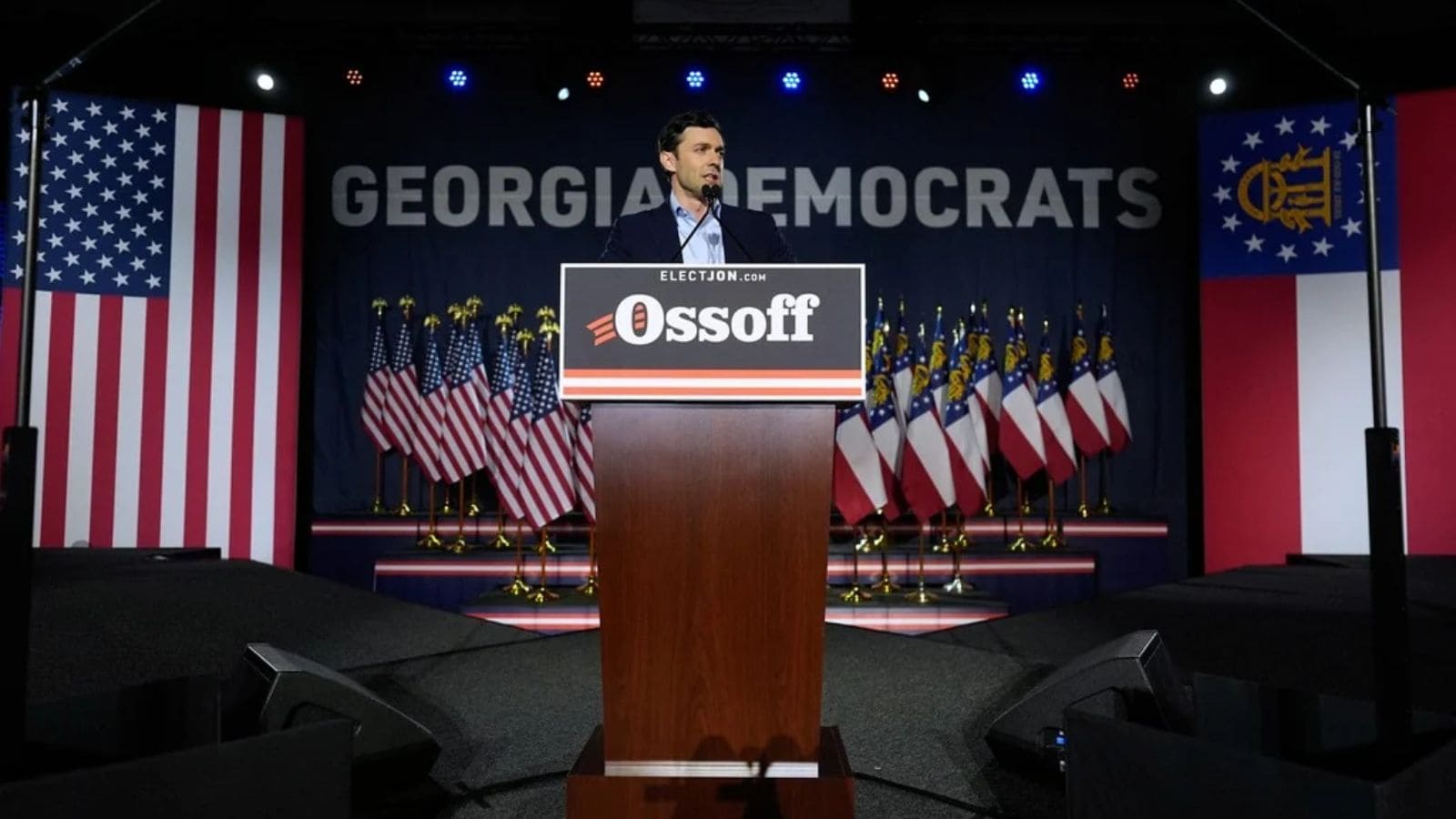
- Rhetoric gets sharper. Surrogates fly into battleground districts and deliver red-meat speeches designed to clip well for evening news broadcasts.
- Election administration becomes a talking point. Disputes over mail-in ballot deadlines, drop boxes, and recount procedures start dominating local coverage before polls even open.
This creates a feedback loop. Voters feel stressed by the relentless negativity, media outlets cover the rising tension as a story in itself, and politicians escalate their language to break through the noise.
The Midterm Penalty Nobody Escapes
If you look at modern American political history, one pattern stands out above almost everything else. The president's party almost always loses seats in the midterm elections.
According to historical data tracked by the American Presidency Project, the party holding the White House has lost House seats in nearly every midterm election since the Civil War. There are rare exceptions—1934 during the Great Depression, 1998 during the Clinton impeachment backlash, and 2002 right after the 9/11 attacks. Outside of those anomalies, the midterm penalty is practically a law of political gravity.
Why does this happen? It comes down to an enthusiasm gap.
The party out of power is angry. Their voters feel ignored, frustrated by current conditions, and desperate to put a check on the president's agenda. That anger translates directly into showing up at the polls. Meanwhile, the president's supporters often get complacent. They won the big prize two years earlier, and they quickly realize that governing is messy and slow. Bills get watered down. Promises get delayed. Enthusiasm drops.
During the final days of a midterm campaign, the president's party usually tries to nationalize the race around a common enemy or a major legislative threat to wake up their base. At the same time, the opposition party works to keep the spotlight squarely on the president's approval rating and the cost of everyday goods. That collision is where the late-stage tension comes from.
What Actually Changes When Control of Congress Flips
People often treat control of Congress like an all-or-nothing switch. Either your side wins and gets everything it wants, or the other side wins and everything stops. That's not quite how Washington works, though the real-world consequences are still massive.
When one party controls the White House and the opposite party wins even one chamber of Congress, you get divided government. Legislative gridlock sets in immediately on major partisan priorities. Big tax overhauls, sweeping climate bills, or national social legislation basically die on arrival because neither side has the votes to override a presidential veto—which requires a two-thirds supermajority in both chambers.
Still, losing control of the House or Senate changes power dynamics overnight in ways most casual observers overlook:
Committee Gavel Power and Investigations
The majority party controls every single congressional committee. That means they set the hearing schedule, decide which bills even get a vote, and hold subpoena power. If the opposition takes the House, expect immediate oversight investigations into White House officials, federal agencies, and cabinet secretaries. Those hearings dominate headlines for the next two years and shape the narrative heading into the next presidential race.
Judicial and Cabinet Confirmations
Only the Senate confirms federal judges, Supreme Court justices, and executive branch nominees. If the president's party keeps the Senate, they can continue reshaping the federal judiciary even if they lose the House. If they lose the Senate, judicial confirmations slow to a crawl, and cabinet nominees face brutal confirmation battles.
Must-Pass Legislation Leverage
Even in a divided Congress, lawmakers still have to fund the government, raise the debt ceiling, and pass the annual defense authorization bill. Control of one chamber gives the majority party huge leverage during those budget showdowns. They can attach policy riders to must-pass spending bills and force the White House to negotiate under the threat of a government shutdown.
Common Misconceptions About Late-Campaign Polling
Every midterm cycle ends with arguments over whether the polls are broken. You'll hear pundits claim one side has hidden momentum or that pollsters are missing a secret wave of voters.
Here is what you actually need to keep in mind when reading final-week coverage:
First, a poll isn't a prediction. It's a snapshot of a specific moment with a built-in margin of error, usually plus or minus three to four percentage points. When a Senate race shows a candidate ahead by two points, that race is statistically tied. Treating a two-point lead as a comfortable cushion is pure wishful thinking.
Second, turnout models matter more than raw voter preferences. In a presidential year, roughly 60 to 65 percent of eligible voters show up. In a midterm, turnout typically drops to around 40 to 50 percent, though recent cycles have pushed closer to the high end of that range. Pollsters have to guess who will actually bother to vote. If a pollster underestimates young voters or overestimates suburban seniors by just a few percentage points, their entire projection shifts.
Third, late-breaking news rarely moves as many votes as cable news thinks it does. By the final weekend of a campaign, huge numbers of Americans have already voted early by mail or in person. In states with expansive early voting, half the electorate might already have their ballots locked in before the final campaign rallies even happen.
How to Cut Through the Noise as an Engaged Voter
Watching the end of a tight midterm campaign can feel overwhelming if you consume news passively. Headlines are designed to trigger anxiety, and partisan pundits get paid to sound certain about outcomes nobody actually knows yet.
If you want to track what's actually happening without losing your mind, change how you follow the final stretch:
- Ignore national generic ballot talk in the final week. Focus instead on the specific list of 20 to 30 competitive House districts and the handful of true toss-up Senate seats. That's where the majority is actually won or lost.
- Watch early vote return demographics carefully, not party registration totals. Seeing how many Democrats or Republicans have voted early doesn't tell you who is winning—it mostly tells you which party prefers voting by mail versus voting on Election Day.
- Read local journalism from battleground states. Reporters at outlets in Phoenix, Philadelphia, Atlanta, or Reno understand the ground game and local economic pressures way better than national commentators sitting in studios in New York or D.C.
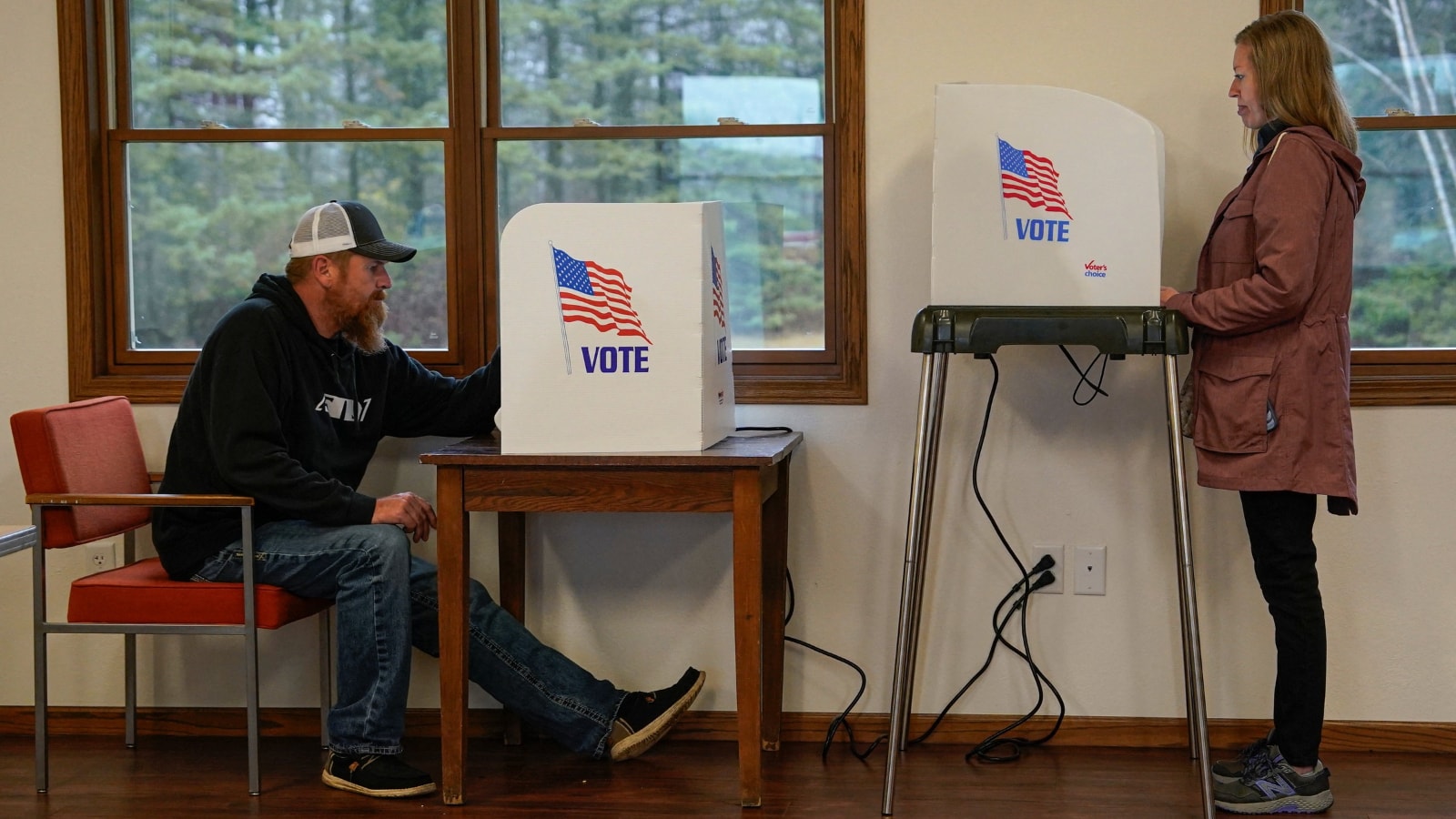
- Verify your own ballot details before Election Day. Check your registration status, confirm your polling location or drop-box rules, and research down-ballot races and local ballot measures that rarely get national airtime.
Control of Congress comes down to turnout in a remarkably small slice of the country. Don't let the manufactured panic of the final news cycle distract you from the basic mechanics of how seats flip—make your plan, cast your ballot, and pay attention to the local races that actually decide the balance of power.