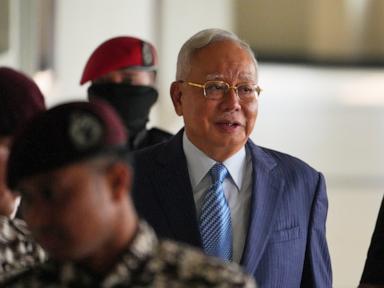
When Istana Negara dropped an eight-paragraph statement on November 7, 2026, warning that disputing King Sultan Ibrahim's conditional pardon for Najib Razak amounted to defying a royal decree, political watchers across Southeast Asia braced for a constitutional crisis. They missed the real story.
Most coverage treated the palace's intervention as a simple power play between a monarch and an elected government. It wasn't. If you look closely at what happened between November 6 and November 24, 2026, you'll see a messy collision between constitutional mercy, strict statutory procedure, and the cold reality of two separate corruption sentences.
Let's strip away the noise. Najib Razak isn't walking free. He didn't get his conviction overturned, and paying a massive fine didn't wipe his slate clean. Here is what actually happened behind closed doors at the Pardons Board, why the Attorney-General briefly pulled the emergency brake, and what happens next in Malaysia's courts.
Why the Palace Stepped In So Forcefully
On November 6, 2026, Najib's political party—the United Malays National Organisation (UMNO)—settled a RM50 million fine on his behalf. That payment satisfied the single financial condition attached to a conditional pardon Sultan Ibrahim had granted during the 64th meeting of the Federal Territories Pardons Board back on September 18. Within hours, Najib walked out of Kajang Prison.
Then came the whiplash.
Just hours after his release, prison authorities escorted the 73-year-old former prime minister right back behind bars. The Attorney-General's Chambers (AGC) had stepped in to seek a temporary suspension, citing the need for urgent legal clarification over the wording of the High Court's discharge order.
To understand why Istana Negara reacted so sharply the very next day, you have to remember what happened in 2025. Back in December 2025, the High Court struck down an earlier, controversial "addendum" order for house arrest because the Pardons Board had never formally deliberated on it. That procedural flaw invalidated the entire arrangement.
This time, the palace made sure the paper trail was bulletproof. In its November 7 statement, Istana Negara deliberately laid out the exact sequence of events. The King presided over the Pardons Board under Article 42 of the Federal Constitution, heard the board's advice, and only then issued a formal decree. By calling the order "clear, explicit and without any ambiguity," Sultan Ibrahim wasn't just defending his prerogative. He was signaling to the bureaucracy and the courts that every constitutional box had been ticked.
You don't ignore a warning like that in Malaysia. Negative remarks against royalty carry prosecution risks under the Sedition Act. By November 10, the Kuala Lumpur High Court cancelled the confusing initial discharge papers, issued a fresh conditional release order, and sent Najib to his residence at No. 11, Jalan Langgak Duta to begin serving his sentence at home.
The Biggest Misconception About the RM50 Million Fine
If you've followed social media commentary around this case, you've probably seen claims that UMNO literally bought Najib's freedom for RM50 million (roughly US$12.3 million). That's flat-out wrong.
Under the terms of the royal decree, paying the RM50 million fine didn't end Najib's sentence. It simply changed his address.
Let's look at the timeline of his SRC International conviction so the math makes sense:
- July 2020: The High Court convicts Najib on seven charges of abuse of power, criminal breach of trust, and money laundering involving RM42 million from SRC International, sentencing him to 12 years in prison and a RM210 million fine.
- August 2022: The Federal Court upholds the conviction, and Najib enters Kajang Prison.
- January 2024: The Pardons Board halves his prison term to six years—setting a release date of August 23, 2028—and cuts his fine to RM50 million.
- September 2026: Sultan Ibrahim grants the conditional pardon allowing Najib to serve the remaining stretch of that six-year term under house arrest, provided the RM50 million fine is paid in full.
He remains a convicted prisoner until August 23, 2028. To make the arrangement legally airtight under the Prisons Act, the government officially gazetted his Langgak Duta mansion as a prison. If he violates a single rule of his detention, prison authorities don't need a new trial to lock him back up. They can haul him straight back to Kajang Prison immediately.
Inside the Four Strict Rules of Najib's House Arrest
Life at Jalan Langgak Duta isn't a quiet retirement. On November 12, Home Minister Saifuddin Nasution Ismail stood before Parliament and laid out the exact parameters governing Najib's detention. The Home Ministry drafted these rules not just for one high-profile inmate, but as a template for future house-arrest cases across the country.
1. Residence and Association Limits
Najib can't bounce between properties. The Home Ministry flatly rejected his request to designate a second residence for his house arrest. He is confined strictly to his Langgak Duta home. Only immediate family members—specifically his spouses, children, children-in-law, and grandchildren—are permitted to live with him. Anyone else requires prior written authorization from prison officials.
2. Movement and Visitor Controls
Leaving the compound is off-limits without explicit clearance. Even more damaging to his political clout, Najib cannot host casual visitors, party loyalists, or political delegations without written permission. Police tape and security checkpoints outside the Taman Duta neighborhood aren't just for show.
3. Communications and Political Blackout
For years, even while incarcerated, Najib's social media accounts remained active voices in Malaysian politics. Those days are over. Under the conditional pardon, Najib is completely barred from participating in political activities, issuing media statements, or appearing on social media. Prison authorities also restrict which telephones and telecommunications devices he is allowed to touch.
4. Mandatory Rehabilitation
Just like inmates inside conventional facilities, Najib must participate in mandatory rehabilitation and intervention programs prescribed by the Prisons Department. Meanwhile, the government has suspended his prime ministerial pension payments, though he retains certain non-pension benefits guaranteed to former heads of government under existing circulars.
The Elephant in the Room His 15-Year 1MDB Sentence
Here is the massive detail that many headlines gloss over. Even if Najib follows every single rule of his house arrest without a hitch until August 23, 2028, he still faces a second, much heavier prison term.
In December 2025, a separate trial found Najib guilty of corruption involving RM2.3 billion in funds from 1Malaysia Development Berhad (1MDB), handing him an additional 15-year prison sentence.
Istana Negara's November 7 statement explicitly noted that the house arrest order applies only to the SRC International case and has zero bearing on any other legal proceedings against him. Even more critically, the sentencing judge ordered that the 15-year 1MDB sentence run consecutively—meaning it kicks in the moment his SRC sentence expires in August 2028. In October 2026, the High Court rejected Najib's bid to stay the execution of that 1MDB sentence. Unless his pending appeal succeeds, his stay at Langgak Duta is merely an intermission before a return to a prison cell.
Declassified Minutes and the Battle Over Judicial Review
If you thought the palace's warning ended the legal drama, think again. While politicians backed off after Sultan Ibrahim's rebuke, the Malaysian Bar stepped directly into the line of fire.
On November 11—just one day after Najib arrived home—the Malaysian Bar filed an application for leave to seek a judicial review. Their argument is straightforward and explosive. They contend that Malaysia's statutory law has no legal framework supporting house arrest, making the September 18 Pardons Board decision unconstitutional, null, and void.
That legal challenge forced Prime Minister Anwar Ibrahim's administration into an awkward corner. For weeks, critics accused the unity government of hiding behind royal secrecy. To defend the process in court, the Cabinet moved to declassify the confidential minutes of the September 18 Pardons Board meeting, which had previously been locked down under the Official Secrets Act.
When those minutes became public in mid-November, the political optics shifted dramatically. The records revealed that the government, the Attorney-General, and Federal Territories Minister Hannah Yeoh had actually advised against granting the conditional pardon during the meeting. The Attorney-General had explicitly warned the board that placing Najib under house arrest risked damaging Malaysia's international image and unsettling political stability.
Yet under Article 42 of the Federal Constitution, the King chairs the Pardons Board and holds the ultimate discretion. He is required to consider the board's advice, not follow it.
Now, the AGC is fighting the Malaysian Bar in court to protect that exact constitutional boundary. On November 12, government lawyers objected to the Bar's judicial review bid, arguing that a monarch's exercise of clemency under Article 42 is non-justiciable—meaning courts simply have no jurisdiction to second-guess the King's mercy. The fallout has already rattled Anwar's coalition, prompting Transport Minister Anthony Loke to announce his resignation following the High Court's house arrest implementation.
How to Track This Constitutional Showdown Yourself
This story is far from over, and the real action has moved from the palace gates to the appellate courtrooms. If you want to cut through partisan spin and follow the actual legal milestones that will decide Najib's fate, keep your eyes on three specific dates and developments:
- January 7, 2027 (First Pardons Board Appeal): Watch the Court of Appeal ruling on the Malaysian Bar's separate, earlier challenge against the January 2024 decision that halved Najib's original 12-year SRC sentence. This ruling will set the baseline precedent for how far courts can scrutinize royal clemency.
- March 17, 2027 (House Arrest Leave Hearing): Mark this date for the High Court submissions between the Malaysian Bar and the Attorney-General's Chambers. The court will decide whether the Bar even has the legal standing to challenge Sultan Ibrahim's September 18 house arrest decree.
- The 1MDB Appeal Docket: Monitor the appellate filings for Najib's December 2025 conviction. Because his house arrest expires on August 23, 2028, any delay or dismissal in his 1MDB appeal determines whether he walks out of his Langgak Duta gates as a free man in 2028 or goes straight back into prison custody for another 15 years.
Pay attention to the distinction between political commentary and court filings. In Malaysia's constitutional system, the palace has made its position unmistakable, and the courts are now left to draw the final boundary between executive statute and royal prerogative.


