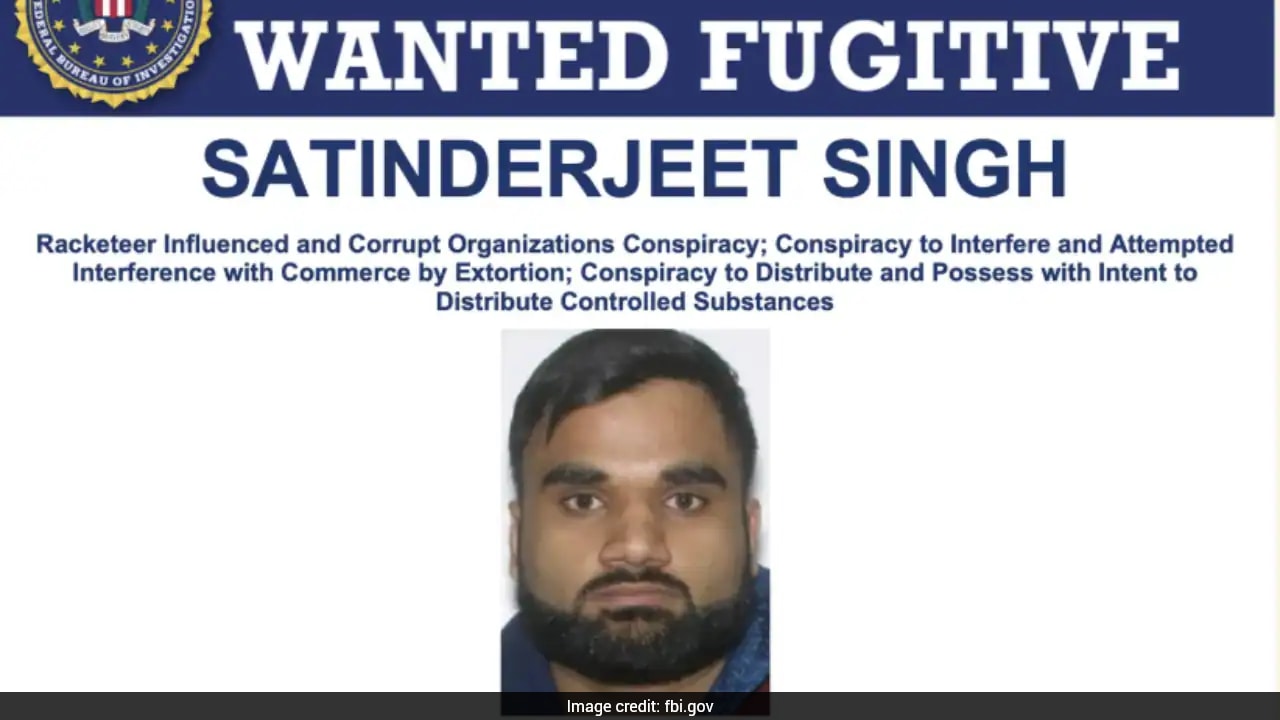
Everyone loves a dramatic headline about a million-dollar bounty, yet most coverage of gangster Goldy Brar landing on the FBI's Ten Most Wanted Fugitives list completely misses what actually makes this case rare.
Let's clear the air right away. The United States federal government does not hand out seven-figure rewards to settle foreign scores, nor does it elevate an overseas syndicate operator into its highest-profile fugitive tier simply because a celebrity was killed halfway across the world. When Satinderjit Singh—better known across Punjab, Canada, and California as Goldy Brar—drew intense federal scrutiny alongside a $1 million reward, it wasn't just another chapter in a regional gang war. It was a direct response to how transnational extortion networks operate on American soil.
If you've followed the breathless social media rumors over the past couple of years, you've probably heard conflicting stories. Some claim he was already dead in California. Others insist he's untouchable because he hides behind encrypted apps and layered proxies. Both takes miss the mark.
Why Goldy Brar Became a Priority Target for US Federal Agents
Most casual observers associate Goldy Brar exclusively with the May 2022 assassination of Punjabi singer and politician Sidhu Moose Wala. That murder shocked millions globally and turned Brar's name into a household fixture across South Asia and the diaspora.
Federal prosecutors in the United States care about a much more immediate problem. Jurisdiction.
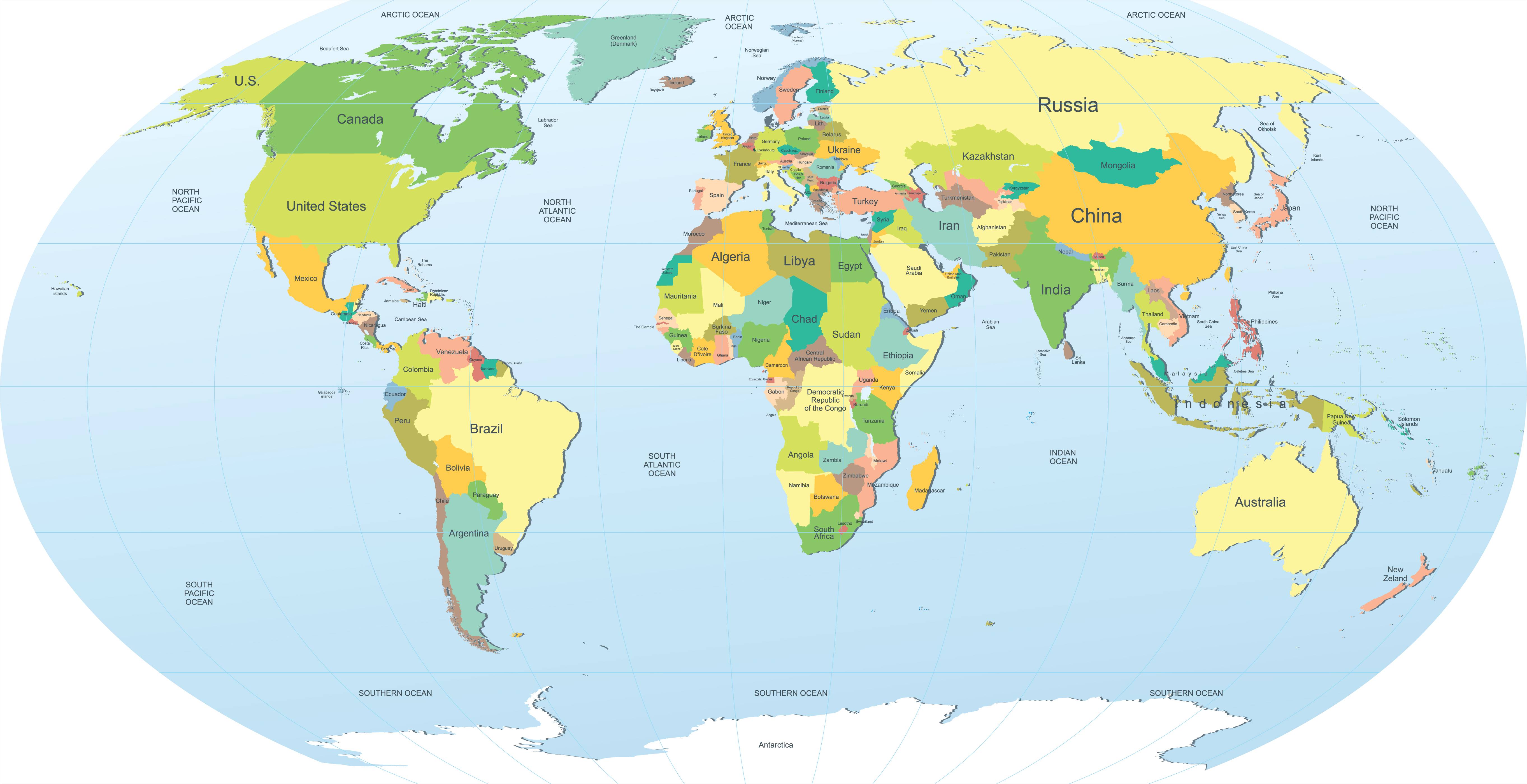
Law enforcement agencies like the FBI and the Drug Enforcement Administration don't build international manhunts around crimes committed solely in Mansa, Punjab. They move when criminal syndicates use American cities as safe havens, financial hubs, or operational bases for cross-border extortion, firearms trafficking, and murder-for-hire plots. Brar, who entered North America years ago and spent significant time operating out of Fresno, California, crossed directly into federal crosshairs by running violent extortion rackets targeting business owners in both the United States and India.
Think about how modern organized crime actually functions today. You don't need a warehouse full of enforcers in Queens or Los Angeles anymore. A single operator sitting in a rented apartment in the Central Valley can coordinate shooters in Chandigarh, launder extortion money through hawala networks and cryptocurrency wallets, and intimidate trucking company owners in Bakersfield using nothing more than a burner phone and encrypted messaging platforms.
That digital reach is exactly what forced Washington's hand.
The Mechanics of the $1 Million Reward Structure
People often confuse two different federal bounty programs when reading headlines about Goldy Brar. Understanding the distinction matters because it tells you who is hunting him and why.
- The FBI Ten Most Wanted Fugitives Program. Established in 1950, this list only holds ten names at any given time. Spots open up exclusively when a fugitive is captured, dies, or has their charges dismissed. Standard rewards on this list typically start at $250,000, though the Department of Justice occasionally authorizes higher amounts for high-threat targets.
- The Transnational Organized Crime Rewards Program (TOCRP). Run by the U.S. Department of State in coordination with the FBI and DEA, this program regularly offers rewards of $1 million or more for information leading to the arrest or conviction of major international syndicate leaders.
When a $1 million bounty attaches to a figure like Brar, federal authorities are signaling to insiders inside his own network that loyalty has an expiration date. Syndicate foot soldiers rarely stay quiet when life-changing money is on the table, especially when they realize their boss treats them as disposable assets.
How the Lawrence Bishnoi and Goldy Brar Syndicate Actually Operates
To understand why law enforcement across three countries—India, Canada, and the United States—struggled to pin down Brar for years, you have to look at the franchise model he helped build alongside jailed gangster Lawrence Bishnoi.
Traditional mafias relied on strict geographic turf and face-to-face hierarchy. The Bishnoi-Brar network operates more like a decentralized gig economy for violent crime.
Bishnoi, despite sitting inside high-security Indian prisons like Tihar and Sabarmati, maintained influence through smuggled phones and loyal lieutenants. Brar served as the external operational brain—handling logistics, recruiting young men from rural Punjab, arranging fake passports, and managing the international money trail.
Here's what makes their setup so difficult for local police departments to dismantle:
- Compartmentalized cells. The shooter who pulls a trigger in Mohali or Surrey rarely knows the person who supplied the weapon, and neither knows who wired the payment from abroad.
- Social media weaponization. Unlike old-school mobsters who avoided publicity, Brar openly claimed responsibility for high-profile killings on Facebook. Those posts weren't reckless ego trips. They were marketing tools designed to terrify wealthy targets into paying protection money without forcing the gang to fire a second shot.
- Asylum and immigration loopholes. Operatives routinely used student visas, commercial trucking routes, and fraudulent asylum claims to move between Canada and the United States, exploiting gaps in intelligence sharing between Ottawa, Washington, and New Delhi.
Honestly, local police forces in California or Ontario weren't built to untangle Punjabi village rivalries connected to encrypted Telegram channels. It took years for federal task forces to connect the dots between seemingly isolated shootings, burned vehicles, and extortion calls targeting South Asian restaurant and transport owners across North America.
The Bakersfield Rumor and Why Fake Death Reports Keep Spreading
If you search Goldy Brar's name online, you'll still stumble across viral claims that he was shot dead outside a hotel in Fresno or Bakersfield back in May 2024. That rumor spread so fast that several regional news outlets ran with it before checking with local authorities.
Fresno Police Department officials flatly denied it. The victim of that shooting was a 37-year-old man named Xavier Gladney, who had zero connection to Indian organized crime.
Why do fake death stories keep popping up around fugitives like Brar?
Two reasons. First, rival gangs—particularly the Bambiha syndicate—routinely plant false rumors online to demoralize opposing recruits and disrupt extortion collections. If business owners think the man threatening them is dead, they stop paying. Second, fugitives themselves sometimes benefit from confusion. Every hour investigators spend verifying a false tip is an hour the real target uses to switch SIM cards, change safe houses, or cross state lines.
Federal agencies don't add dead men to the Ten Most Wanted list, and they certainly don't put $1 million price tags on ghosts.
What Designation as an Individual Terrorist Changed
Before Washington stepped up its public bounty efforts, India's Ministry of Home Affairs took an unusual step in January 2024 by designating Goldy Brar as an individual terrorist under the Unlawful Activities (Prevention) Act (UAPA).
Critics initially questioned why a gangland extortionist received a terrorism label normally reserved for insurgent commanders or extremist group leaders. Looking at the intelligence files explains the shift. Indian agencies—specifically the National Investigation Agency (NIA)—documented direct links between Brar's syndicate, cross-border weapons smuggling from Pakistan via drones, and targeted killings aimed at destabilizing public order in Punjab.
Once a fugitive carries both a counterterrorism designation in India and major federal felony warrants in the United States, their room to maneuver shrinks dramatically.
Banks freeze accounts faster. Interpol Red Notices carry heavier operational priority at border crossings. Most importantly, intelligence agencies stop treating the case as routine local crime and start applying national security surveillance tools—tracking device metadata, financial rails, and travel patterns across jurisdictions.
Common Misconceptions About FBI Most Wanted Fugitives
Watching crime dramas gives people a distorted picture of how federal manhunts work once a suspect's face hits the FBI website. Let's separate reality from television fiction.
Myth 1: The FBI has agents actively kicking down doors in every country.
False. FBI agents have zero arrest authority on foreign soil. Outside the United States, they work through Legal Attaché offices embedded in U.S. embassies, sharing intelligence with host-nation police forces like the Royal Canadian Mounted Police (RCMP) or India's NIA. If Brar is hiding inside the U.S., federal marshals and FBI tactical teams can raid a house tomorrow. If he's slipped across a border, capture depends on diplomatic coordination and local enforcement.
Myth 2: A $1 million reward pays out the day someone makes a phone call.
Not even close. Reward payouts under federal programs require strict verification. Tipsters only get paid after the information directly leads to an arrest, and in many State Department TOCRP cases, full disbursement waits until conviction or confirmed neutralization of the threat. Even then, an interagency committee reviews the claim before transferring funds—often with identity protection and relocation assistance built in for informants who face lethal retaliation.
Myth 3: High-profile fugitives live luxury lifestyles in hiding.
That's rare. Moving money safely without triggering anti-money-laundering alerts is exhausting. Most top fugitives live paranoid, cramped lives—constantly rotating cheap rentals, relying on trusted couriers for groceries and cash, and avoiding smartphones with active cellular signals. The moment they get comfortable, use a personal banking app, or contact a family member on an unencrypted line, federal tech teams lock onto their location.
What Happens When a Syndicate Boss Gets Cornered
History shows a predictable pattern once a transnational gang leader lands on a major U.S. wanted list.
First, the money dries up. Business owners who previously paid extortion demands out of fear suddenly realize that wiring cash to a federally designated fugitive exposes them to severe criminal liability under U.S. money laundering and material support statutes. Nobody wants federal agents knocking on their door over an extortion payment.
Second, internal paranoia fractures the gang. When $1 million is dangling in front of mid-level lieutenants facing decades in prison, trust evaporates overnight. Every missed phone call looks like betrayal. Lieutenants start cutting quiet deals with prosecutors in exchange for reduced sentences and witness protection.
Third, extradition battles begin the second an arrest occurs. If U.S. authorities capture Brar on American soil for domestic federal offenses—such as conspiracy, firearms violations, or extortion—he faces trial and prison in the United States first. India's extradition requests, which already include Interpol Red Notices for the Sidhu Moose Wala murder and multiple conspiracy cases, would typically queue behind U.S. judicial proceedings unless diplomatic agreements dictate otherwise.
How to Verify Official Wanted Status and Submit Credible Tips
If you follow international crime news or live in communities affected by cross-border extortion threats, don't rely on viral Telegram screenshots or unverified YouTube thumbnails claiming a fugitive has been caught or killed.
Check primary law enforcement databases directly:
- Verify active federal fugitive profiles and official reward terms through the FBI Ten Most Wanted Fugitives portal or the U.S. Department of State Transnational Organized Crime Rewards Program.
- Report credible location tips or extortion threats directly to the FBI at 1-800-CALL-FBI (1-800-225-5324) or submit encrypted tips online via tips.fbi.gov.
- Outside the United States, contact the nearest U.S. Embassy Legal Attaché office or submit information through secure messaging channels listed directly on official Department of State reward posters.
Never attempt to confront or track a wanted fugitive independently—federal task forces treat armed syndicate leaders as extreme flight and violence risks, and verified intelligence submitted quietly through official channels is the only thing that actually closes these cases.