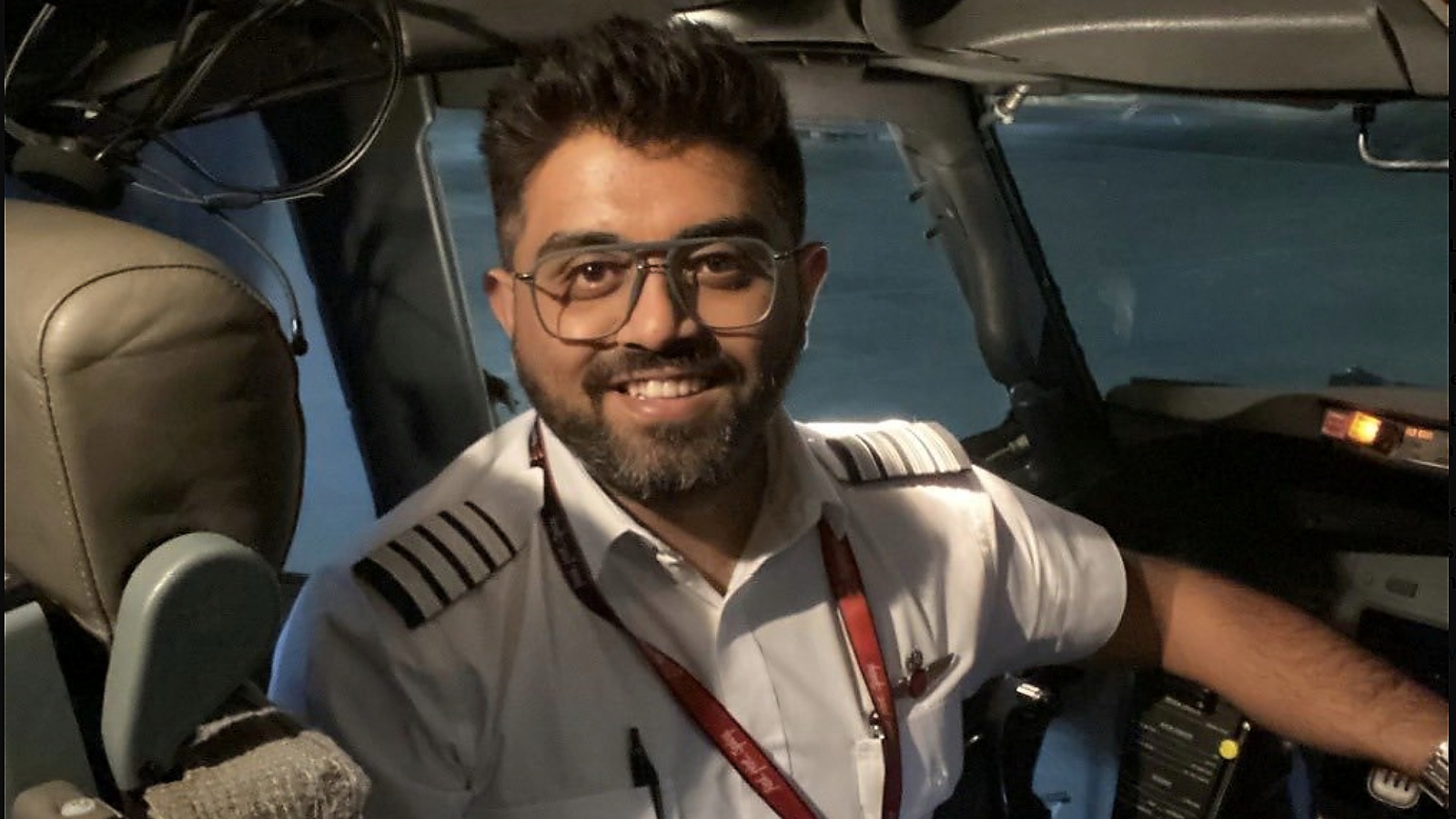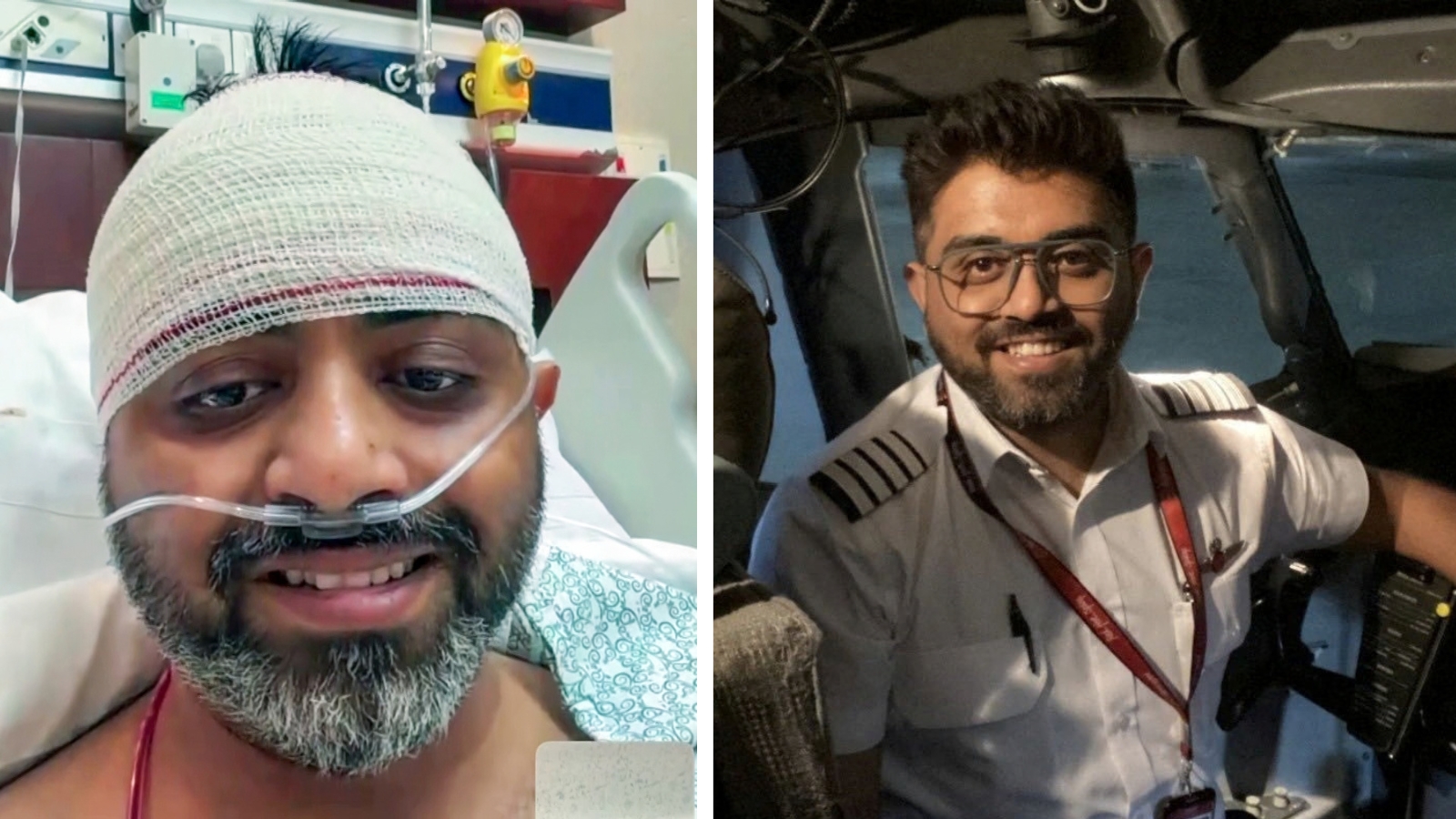
A commercial flight is supposed to be the safest place on earth. You board, settle into a cramped seat, and trust two strangers in the cockpit to get you across continents. But on September 30, 2026, that thin margin of trust shattered on Flydubai Flight 1073.
If you've only caught the headlines about Captain Smit Machchhar and the terrifying cockpit struggle over the Middle East, you're missing the gritty details of how a disaster was averted by pure human grit. Let's look past the surface-level news reports and break down what actually happened during those harrowing minutes. You might also find this connected coverage insightful: The Real Price Tag Behind Democratic Socialist Policies Explained.
The Reality of the Cockpit Attack
Flight 1073 was flying from Dubai International Airport to Ben Gurion Airport near Tel Aviv. Cruising at roughly 34,000 feet near the Saudi-Jordanian border, the routine trip turned into a nightmare.
The first officer, Hamam al-Hammami, launched a sudden assault on Captain Smit Machchhar using the aircraft's crash axe. Machchhar was seated, checking landing data, when the first blow struck the back of his head. As highlighted in detailed coverage by BBC News, the implications are significant.
Most people assume pilots can easily defend themselves in an enclosed space. The reality is brutal. Machchhar was bleeding, disoriented, and fighting for his life while the aircraft was intentionally pitched downward into a catastrophic dive. The Boeing 737 MAX plummeted from 34,000 feet to 17,000 feet in less than sixty seconds, screaming through the air at speeds reaching around 600 miles per hour.
Why Quick Thinking Mattered
The scariest part wasn't just the physical assault—it was the aircraft's steep descent. Machchhar knew that if he lost consciousness permanently, the flight was finished.
Despite severe injuries to his head and arms, Machchhar managed to unbuckle, block incoming strikes, and reach the door control knob. He screamed for help, opening the cockpit door just enough to alert the cabin.
That single action changed the outcome. Passengers—including a plumber and a dentist—alongside off-duty deadheading pilots rushed the flight deck. They wrestled al-Hammami away from the controls, while reserve crew members stepped in to stabilize the plunging aircraft. The plane ultimately diverted and landed safely at Prince Sultan bin Abdulaziz Airport in Tabuk, Saudi Arabia.
Systemic Vulnerabilities in Aviation Security
Incidents like this force aviation authorities to ask uncomfortable questions. For years, the industry focused heavily on locking cockpit doors from the inside to prevent unauthorized entry from the cabin. Flight 1073 highlighted the nightmare scenario safety experts feared: the threat coming from inside the flight deck itself.
When a co-pilot turns rogue, the security layers built into modern commercial aviation are severely tested. Investigators from multiple nations quickly launched probes into the incident, examining everything from pre-flight screening protocols to psychological monitoring for active flight crews.
You'll hear plenty of debates over whether cockpit protocols need a complete overhaul. Some security analysts argue for mandatory multi-person cockpit occupancy rules at all times, meaning a cabin crew member must step in whenever one pilot leaves. Others point out that adding bodies to the flight deck introduces different logistical and security risks.
The Aftermath and Recognition
Captain Machchhar's survival and actions prevented a massive catastrophe. Tributes poured in from across the globe, praising the coordination between the injured captain, the brave passengers who risked their lives, and the off-duty pilots who took over. UAE President Sheikh Mohamed bin Zayed later honored the flight crew and pilots with prestigious civilian recognition for their extraordinary courage.
If you fly regularly, incidents like this can feel unsettling. Aviation remains statistically the safest mode of transport by a wide margin, but the human element remains unpredictable.
Pay attention to safety briefings, respect the crew, and remember that behind every flight tracking app are real people making split-second decisions to keep everyone alive.
For those tracking aviation safety updates, review official regulatory bulletins from international civil aviation authorities to stay informed on how airline procedures adapt in the wake of Flight 1073.