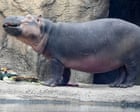
Everyone assumed a full-grown Nile hippopotamus could pass a simple winter beanie without breaking a sweat. They were wrong, and that misunderstanding cost the Cincinnati Zoo its most famous resident.
When news first broke that Fiona the hippo was under veterinary care after eating a hat at the Cincinnati Zoo, early coverage treated it like a minor digestive hiccup. Headlines focused on the freak nature of the accident and the zoo's cautious optimism. Eleven days later, on November 19, 2026, nine-year-old Fiona died.
You might wonder how an animal weighing well over a ton gets defeated by a piece of yarn. If you only read the initial breaking news reports, you missed the anatomical and medical realities that turned a dropped accessory into a fatal emergency.
How a Freak Accident Breached Hippo Cove
People love looking for someone to blame when a beloved zoo animal gets hurt, yet this wasn't a case of malicious throwing or negligent zookeepers. On November 8, a child visiting the Cincinnati Zoo tossed a knit cap into the air near the indoor viewing area.
Physics did the rest. A ceiling fan caught the airborne beanie and deflected it sideways, shooting it straight through a one-foot gap above the 12-foot-high viewing windows. Cincinnati Zoo spokesperson Michelle Curley later admitted that staff probably couldn't replicate that trajectory if they tried.
Hippos explore their world with their mouths, and they don't pause to inspect foreign textures before swallowing. Fiona ate the hat immediately. For the first few days, she acted completely normal, showing zero signs of physical distress. That quiet window is exactly what makes foreign body ingestion so treacherous in megafauna. By the time her appetite dropped and her energy dipped, the fabric had already traveled deep into her gastrointestinal tract.
Why Veterinary Surgery Wasn't an Option for Fiona
The biggest question flooded every comment section the moment the zoo announced Fiona's condition. Why didn't veterinarians just cut the hat out?
In companion animal medicine, removing a swallowed sock from a golden retriever is a Tuesday morning routine. In adult hippopotamus medicine, abdominal surgery is basically a death sentence. Several biological barriers make an operation nearly impossible to survive:
- Extreme tissue thickness. An adult Nile hippo carries layers of dense, two-inch-thick skin, heavy fat, and massive abdominal muscle walls that resist standard surgical closure.
- Crushing body weight under anesthesia. Lying immobilized on an operating table puts thousands of pounds of pressure on a hippo's lungs and major blood vessels, rapidly starving organs of oxygen.
- Post-operative infection and wound dehiscence. You cannot put an Elizabethan collar on a hippo, nor can you keep a semi-aquatic animal out of water for weeks without causing severe skin breakdown and stress.
- Diagnostic blind spots. Standard X-ray and ultrasound machines cannot penetrate a hippo's massive torso to pinpoint where a soft, non-metallic object like wool or acrylic yarn is sitting.
Veterinary specialists agreed that putting Fiona under general anesthesia for exploratory abdominal surgery carried catastrophic risks. The medical team had no choice but to rely on aggressive non-invasive management to push the blockage through naturally.
Inside the 11-Day Medical Battle to Save Her
Once Fiona stopped eating normally, the Cincinnati Zoo's animal care and veterinary teams shifted to 24-hour monitoring. They threw every creative, non-surgical tool in the veterinary playbook at the problem.
First came hydration and motility support. Veterinarians pumped fluids and favorite foods into her system, hoping sheer digestive bulk and lubrication would nudge the knit cap along. Keepers even offered her sniffs of coffee—a scent she had always loved—just to stimulate her senses and gauge her responsiveness.
When standard fluids didn't clear the obstruction, the team got inventive. They borrowed a heavy-duty vibration plate from a local horse farm. Standing a massive mammal on a vibrating platform uses mechanical oscillation to stimulate gut motility and physically shake loose stubborn blockages.
They also attempted an endoscopic evaluation, inserting a nine-foot colonoscope to search for the cap from the lower tract. The scope came up empty. The hat wasn't anywhere near the end of the line.
What the Necropsy Finally Revealed
After Fiona passed away on Thursday, November 19, the zoo's pathology team performed a necropsy to get definitive answers. The exam showed the knit hat had lodged tightly in the middle of her small intestine.
That single anatomical detail explains everything. The small intestine is far too narrow for a bulky, waterlogged wad of knitted yarn to pass once it bunches up, yet it sits miles out of reach of a nine-foot colonoscope. Zoo officials stated plainly that given the hat's location, no amount of supportive care could have saved her.
Foreign Objects Are a Silent Killer in Modern Zoos
People tend to view Fiona's death as an isolated, one-in-a-million tragedy. Honestly, foreign body ingestion is one of the most persistent, preventable threats facing captive wildlife worldwide.
Zoos spend millions engineering barriers to keep animals inside, yet tiny gaps for airflow, acoustics, or sightlines leave exhibits vulnerable to everyday items slipping through. Look at the recent track record across accredited facilities:
- A rare antelope at a Tennessee zoo choked to death after swallowing the plastic cap from a child's squeezable fruit pouch.
- A polar bear in Germany died after ingesting a visitor's jacket that fell into its habitat.
- Sea lions, primates, and big cats regularly require emergency interventions after swallowing coins, hair ties, sunglasses, and phone cases dropped over railings.
Knit hats and fabric items are particularly lethal because digestive acids don't break down synthetic acrylic or tightly spun wool. Instead, intestinal contractions compress the fabric into a dense, fibrous plug that completely cuts off blood flow to the bowel wall.
From Miracle Premie to Cincinnati Icon
To understand why thousands of people left watermelons, pumpkins, and crayon drawings outside the Cincinnati Zoo within hours of the announcement, you have to remember where Fiona started.
Born six weeks premature in January 2017, she weighed just 29 pounds—roughly 25 pounds lighter than the lowest recorded birth weight for a surviving Nile hippopotamus. She couldn't stand, couldn't nurse, and required round-the-clock bottle feedings and IV fluids from a dedicated team of keepers and neonatal nurses.
Her survival rewrote the veterinary manual on raising premature hippos and gave Cincinnati an uplifting cultural touchstone after a difficult stretch for the zoo. Over nearly a decade, she inspired children's books, local craft beers, ice cream flavors, and global livestreams. Nile hippos routinely live 40 to 50 years in human care, which makes losing her before her tenth birthday sting even worse.
How Zoos and Visitors Prevent the Next Tragedy
Following Fiona's death, the Cincinnati Zoo temporarily closed Hippo Cove and installed new physical modifications over the viewing window openings before reopening the exhibit to visitors—where Fiona's four-year-old brother Fritz and the rest of the pod remain on view.
Facility upgrades only solve half the equation. Every time you visit a zoo, aquarium, or wildlife park, treat the space around animal habitats like an active flight deck. Keep loose hats, sunglasses, phones, and snack pouch caps zipped inside a bag rather than perched on your head or balanced on a stroller. Never toss clothing, toys, or food wrappers into the air near viewing glass, even indoors where HVAC fans can turn a lightweight item into a projectile. If you ever drop something into an enclosure—or spot another guest's item inside a habitat—find a staff member or call the zoo's guest services line immediately so keepers can shift the animals off-exhibit before curiosity turns fatal.
For more details on how veterinarians initially managed the case before the final prognosis, watch Fiona the hippo undergoing care after eating hat that got into her enclosure. This news clip breaks down why zoo officials ruled out surgery early on and outlines the supportive treatments her care team used.



