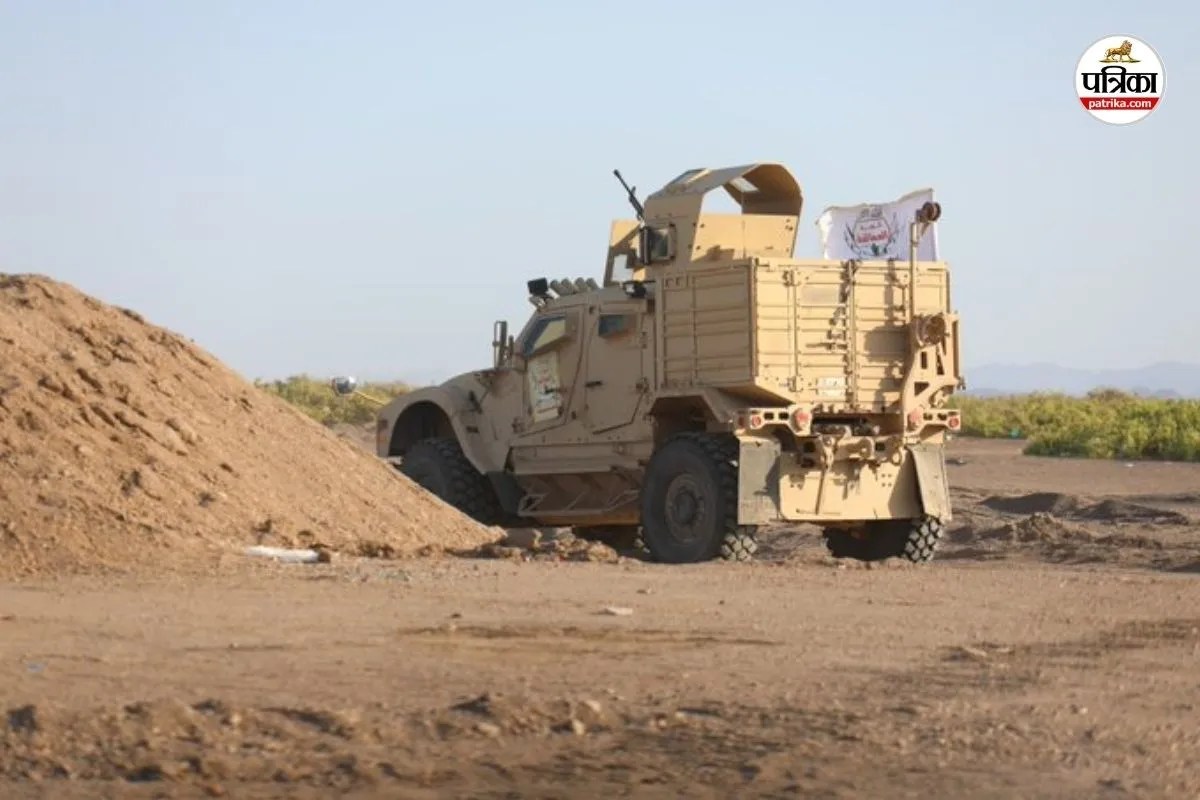
Yemen's protracted civil war rarely makes global headlines unless a major trade route or a strategic maritime chokepoint is directly threatened. Yet, the ground reality inside governorates like Taiz tells a much grimmer story of daily skirmishes, infiltration attempts, and localized defensive operations. When government forces recently neutralized a major Houthi offensive in the Al-Salu district of Taiz—leaving over a dozen rebel fighters dead—it underscored a much larger, grinding military stalemate that defines the region.
Most international analysis focuses exclusively on the broader geopolitical proxy dynamics, completely missing how hyper-local geography dictates survival on the ground.
The Strategic Importance of Taiz
If you want to understand why clashes in Taiz matter so much, you have to look at the map. Taiz acts as a gateway connecting the northern highlands controlled by Houthi forces with the southern territories held by the internationally recognized government and its allies.
The district of Al-Salu is a critical flashpoint. Control over these elevated positions allows armed groups to monitor supply lines, secure artillery vantage points, and dictate movement across neighboring sectors. When Houthi fighters launched their coordinated infiltration attempt in Al-Salu, they weren't just looking for minor territorial gains. They aimed to punch through defensive lines that have held firm against immense pressure.
Yemeni military units stationed in the sector didn't just react; they anticipated the push. In the resulting exchange, twelve Houthi fighters were killed, and the offensive was thoroughly dismantled before it could fracture local defenses. But tactical victories like this happen against a backdrop of severe strategic volatility.
Why the Wider Military Campaign Faces Cracks
While defensive successes in places like Al-Salu showcase the resilience of government-aligned fighters, the broader theater tells a complicated story. Recent shifts along the western coastline, including government repositioning away from parts near the Bab el-Mandeb strait and Dhubab, highlight how fragile these frontlines truly are.
Operating in Yemen isn't a clean, conventional war. It's an exhausting campaign plagued by shifting alliances, supply chain vulnerabilities, and immense humanitarian fallout. Over three hundred thousand displaced people are squeezed into and around Taiz alone, struggling against active blockades, intermittent shelling, and severe shortages of basic aid.
When military forces pull back from coastal positions to shore up defenses around political strongholds like Aden, it creates a vacuum. Houthi forces routinely exploit these gaps, turning local terrain into a permanent warzone where civilians bear the heaviest cost.
The Human Cost Behind the Headlines
Numbers like "twelve fighters dead" or "strategic withdrawals" dominate reports, but they strip away the reality on the ground. Taiz has endured years of severe siege conditions. Essential infrastructure is shattered, hospitals operate under near-impossible constraints, and normal economic activity has ground to a halt.
The international community often treats Yemen as a forgotten crisis, prioritizing diplomatic talks that rarely translate into localized ceasefires. Until structural solutions address the root causes of territorial fragmentation, skirmishes in districts like Al-Salu will continue to flare up with brutal regularity. The war isn't winding down; it's simply shifting into a more desperate phase of attrition.