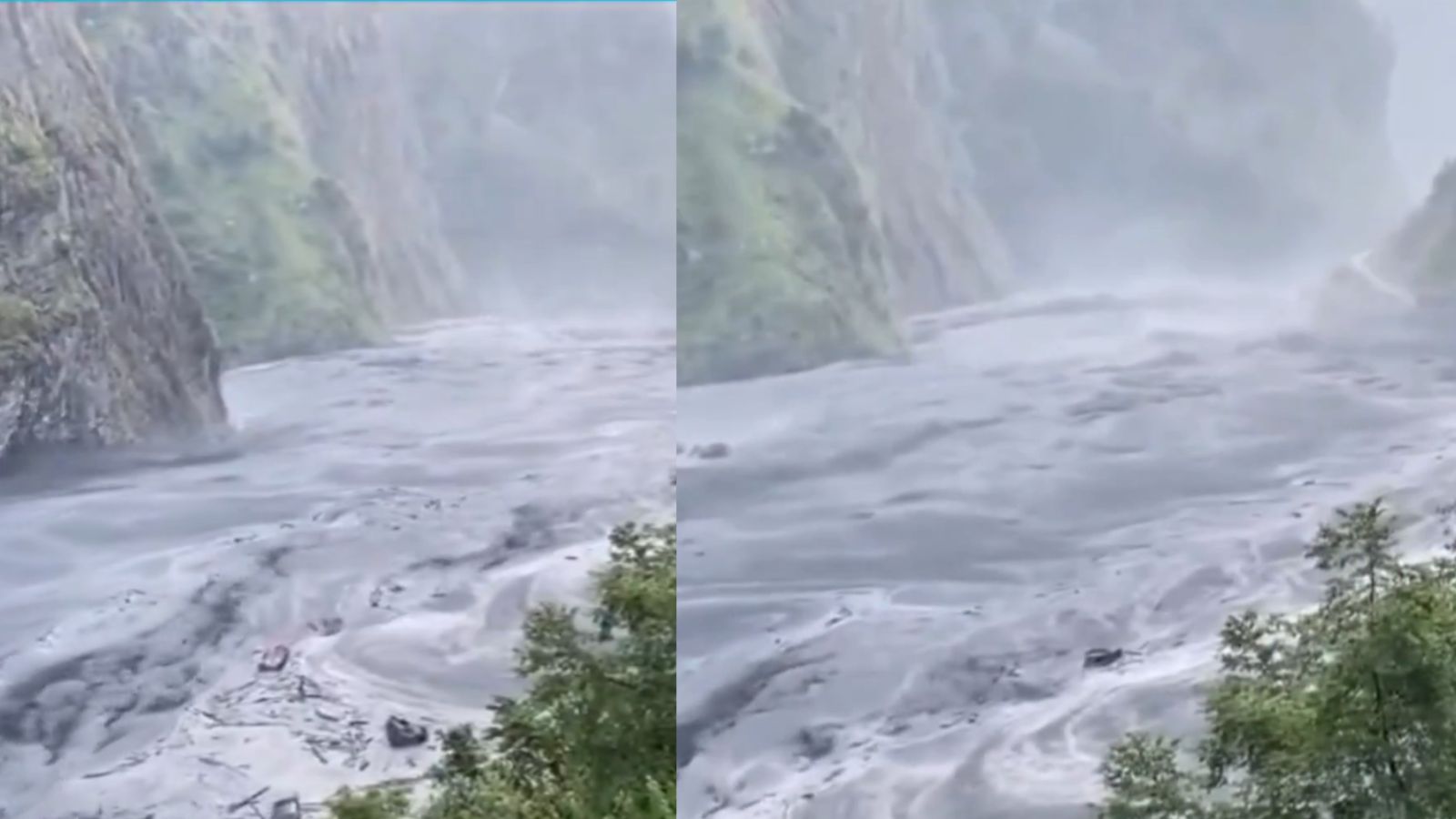
When a wall of debris-laden water tore down the Budhi Gandaki River in northern Nepal, it didn't just wash away timber and stone. It exposed how fragile mountain communities remain even after repeated disaster warnings. Around 35 to 40 houses vanished in minutes across settlements like Jagat Bagar, Salleri, and Ghattikhola in the Gorkha district.
If you think this was your standard seasonal monsoon overflow, you're missing the bigger picture. This disaster struck with little warning, fueled not by heavy local rain, but by a suspected landslide-dam breach high up in the rugged terrain of Chumnubri.
Decoding the Gorkha Disaster
Early Sunday morning, residents in the upper Himalayan valleys heard a terrifying sound. The river flow stopped, pooled, and then violently surged forward. According to analyses by organizations like the International Centre for Integrated Mountain Development (ICIMOD), a sudden landslide likely blocked a tributary like the Syar River or areas near Chumchet. When that natural barrier gave way, a high-velocity debris flow crashed down the valley.
The devastation was absolute in places like Chumnubri and Dharche rural municipalities.
- Roughly 35 to 40 homes were completely swept away.
- Critical suspension footbridges linking remote paths—such as Nyakchet to Sirdibas and Machhakhola to Kerauja—were obliterated.
- Infrastructure at the under-construction 341-megawatt Budhi Gandaki hydropower project took a heavy hit, washing away construction camps and equipment.
Local officials, including Gorkha Chief District Officer Dharmendra Kumar Mishra and Home Minister Sudan Gurung, mobilized emergency responses quickly. Helicopters from the Nepali Army were deployed to rescue stranded residents from high-risk zones like Jagat, while local authorities blared warnings through loudspeakers down the valley to alert downstream communities in Arughat and beyond.
Why the Himalayas Face Growing Risks
This event isn't an isolated anomaly. It follows a terrifying pattern of glacial and hydrological catastrophes hitting Nepal's fragile river corridors. Just months prior, severe flooding wreaked havoc along the Bhote Koshi River in the Rasuwa district, leaving hundreds dead or missing.
High Mountain Asia is warming at rates well above the global average. This temperature spike destabilizes steep slopes, melts permafrost, and leaves massive volumes of loose rock and glacial debris hanging precariously over river channels. When a minor tremor or heavy localized melt occurs, these slopes let go.
The resulting debris flows act like liquid concrete. They move too fast for standard river gauges to catch in real time, turning mountain valleys into funnels of destruction.
Living Along the Budhi Gandaki Corridor
For families living on the banks of the Budhi Gandaki, the threat doesn't end when the sun comes out. River levels fluctuate wildly as trapped pockets of water upstream break free or settle. Communities all the way down the Trishuli corridor—stretching toward Benighat, Mugling, and Chitwan—have been placed on high alert.
Governments and local bodies face an uphill battle. Building back better in remote Himalayan gorges means rethinking where human settlements and hydropower projects are permitted to stand. Traditional zoning laws often fail when a riverbed rises by several meters in a single morning.
If you are tracking or traveling through Nepal's central trekking and hydro-corridors, keep emergency evacuation routes clear, stay in close contact with local district administration offices, and never ignore early flood alerts issued by hydrologists monitoring upstream conditions.