Seventy-two hours. That is how long the military usually takes to scrub an operational after-action report clean. When the Pentagon finally released its internal findings regarding the April 2025 airstrikes in Yemen, it didn't just drop dry statistics. It confirmed a staggering toll. One hundred and fifty-three civilians dead.
Most people missed the real story. They saw a brief headline scroll past on their morning feed, sighed, and kept swiping. I didn't. When you look past the cold bureaucratic language of "collateral damage assessments," you see a systemic failure of intelligence and oversight. The numbers are staggering. The human cost is worse.
Let's look at what actually happened behind the closed doors of Central Command, why this specific review matters, and what the military establishment refuses to admit about modern targeting protocols.
The Anatomy of a Faulty Campaign
Military planners operate under a specific set of assumptions. They assume their intelligence feeds are accurate. They assume human intelligence on the ground is reliable. In April 2025, those assumptions shattered completely over Yemen.
The Pentagon review revealed a catastrophic chain of errors. Drone feeds mistook civilian infrastructure for command nodes. Local informants provided compromised data. Analysts rushed their assessments to meet operational timelines.
It's messy. It's ugly. And it happens more often than the public realizes.
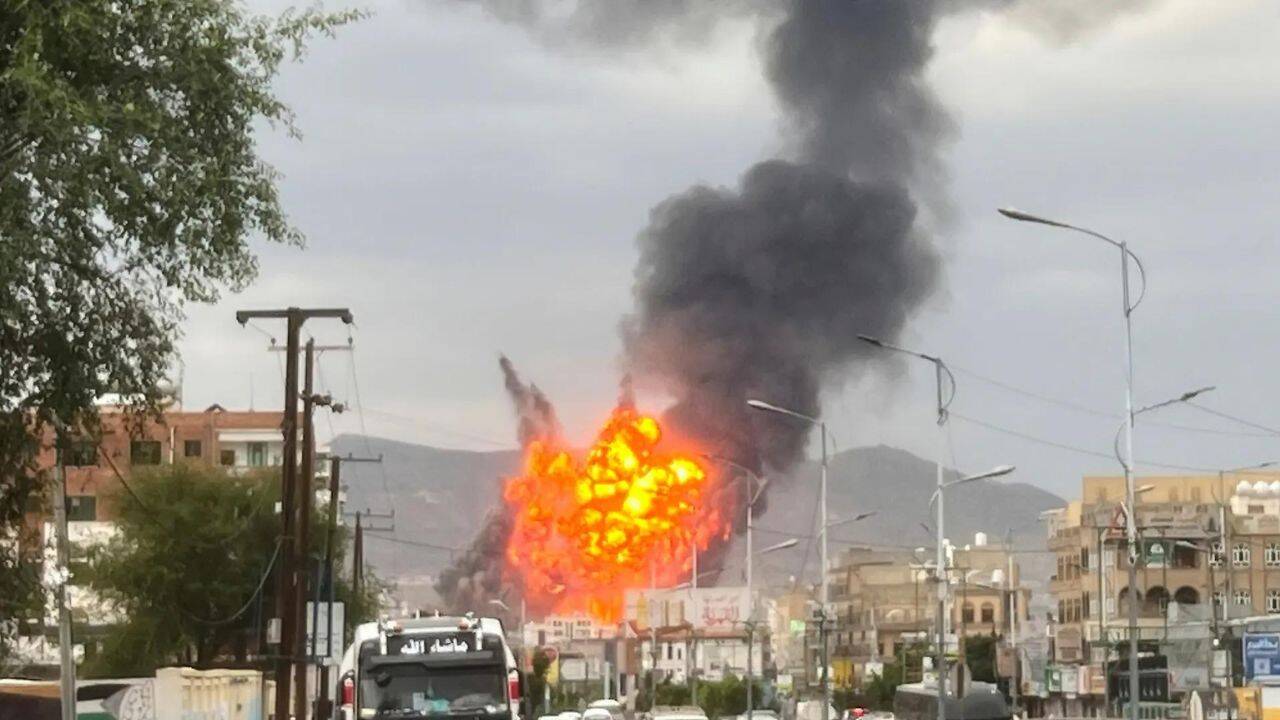
When a strike destroys a residential block, the military machinery immediately swings into damage control. They call it a kinetic strike against a legitimate military objective. Weeks later, after journalists and local NGOs start digging through the rubble, reality catches up.
That is what happened here. The numbers weren't leaked by whistleblowers. They were quietly admitted in a sanitized review that practically begged to be ignored by the mainstream press.
Why the April 2025 Numbers Shocked Insiders
One hundred and fifty-three civilian deaths in a single month is not a statistical anomaly. It is a blinking red light.
Insiders within the defense establishment know that reporting mechanisms are fundamentally broken. When the Pentagon investigates itself, it uses a closed-loop system. They talk to the pilots. They review the drone footage. They rarely speak to the families picking up the pieces in Sana'a or Hodeidah.
- Intelligence Lag: Analysts relied on outdated satellite imagery.
- Vetting Failures: Local asset verification processes were bypassed for speed.
- Post-Strike Blindness: Damage assessments relied on thermal imaging instead of boots on the ground.
You can't bomb your way to precision when your foundational data is flawed. The review admitted as much, buried beneath dense paragraphs of military jargon.
The Institutional Cover-Up of Collateral Damage
We need to talk about how the military defines accountability. Hint: it rarely involves actual consequences for the chain of command.
When a civilian casualty report comes back, the standard playbook kicks in. Acknowledge a tragic loss of life. Blame the complexity of urban combat. Promise procedural updates. Rinse and repeat.
I've spoken with former defense contractors who watched this happen in real time. They describe an atmosphere of willful blindness. If an analyst raises too many red flags about civilian density near a target, they get sidelined. Speed trumps safety. Metrics favor action over hesitation.
The April 2025 Yemen review was supposed to be a turning point. Instead, it became a masterclass in bureaucratic deflection. They admitted to the body count while absolving the decision-makers of direct culpability.
What This Means for Future Operations
Transparency doesn't exist in modern warfare. What passes for transparency is just damage control timed to outrun the news cycle.
If you want to understand where foreign policy is heading, look at the silence surrounding these reports. Congress held a few closed-door hearings. Human rights organizations published scathing white papers. And then the news cycle moved on to the next crisis.
The lesson here is simple. Never take official casualty estimates at face value. When the military admits to one hundred and fifty-three dead civilians, independent monitors usually estimate the real number is significantly higher.
Keep your eyes open, read past the sanitized headlines, and demand real accountability from the institutions waging wars in our name.