The US military isn't just buying bullets anymore. It’s buying your attention. If you’ve seen the term "Epic Fury" floating around defense circles lately, you’re looking at more than just a catchy exercise name. It represents a massive shift in how the Pentagon views the world. They aren't just prepping for a physical fight in the Pacific or Eastern Europe. They're trying to win the narrative before a single shot even rings out. It's a blend of high-stakes logistics and slick, Hollywood-style branding that should make anyone living in the 21st century a little uneasy.
The Department of Defense spent decades trying to separate "psychological operations" from "public relations." Those days are over. Now, they've realized that if you can make a military exercise look like a trailer for the next Call of Duty, you've already won half the battle. This isn't just about recruitment. It's about creating a specific "vibe" of American invincibility that sticks in the minds of both allies and enemies.
The mechanics of Operation Epic Fury
Operation Epic Fury isn't some obscure desk job. It’s a literal demonstration of how the Marines and Air Force can turn a civilian runway into a lethal strike hub in hours. We’re talking about seizing "Advanced Naval Bases" and refueling F-35s in the middle of nowhere. But the way it’s documented—with high-definition slow-motion shots, dramatic soundtracks, and social media-ready clips—tells a different story.
The military is using the same visual language as influencers and movie studios. Why? Because it works. When the Pentagon labels an operation with a name that sounds like a legendary skin in a video game, they're speaking directly to a generation raised on digital combat. This isn't accidental. It's a calculated move to bridge the gap between the grim reality of state-sponsored violence and the polished aesthetic of entertainment.
Why the Pentagon loves the gamer aesthetic
Think about the last time you saw a military recruitment ad or a "sizzle reel" from a joint exercise. It doesn't look like the grainy footage from the Gulf War. It’s crisp. It’s vibrant. It uses fast cuts and heavy bass. By adopting the "gamer" aesthetic, the military lowers the psychological barrier to entry. War becomes a series of objectives, high-tech gadgets, and "epic" moments.
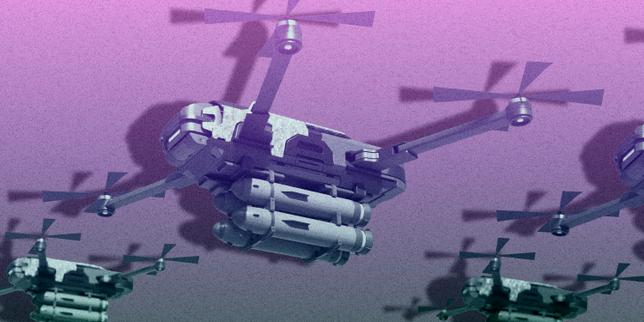
This "gamification" of the Pentagon's public image serves two masters. First, it makes the idea of service feel familiar to Gen Z and Gen Alpha. Second, it projects a level of technological superiority that feels almost magical. When you see an autonomous drone swarm filmed with the same cinematic flair as a Marvel movie, the message is clear: "Don't even try."
The blurred line between news and propaganda
The real danger here isn't just some flashy videos. It’s the way this pop culture language infects our actual understanding of conflict. When we start using the Pentagon’s own branding—calling things "Epic Fury" or "Valiant Shield" without a second thought—we’re adopting their frame of reference. We stop seeing these as escalations in geopolitical tension and start seeing them as "events" or "content."
Media outlets often fall right into this trap. They'll run the high-res B-roll provided by the DoD because it looks great on a 4K screen. It’s "clean" footage. No blood. No geopolitical mess. Just expensive machinery doing cool things in the sunset. That’s how the Pentagon turns the horror of potential total war into a digestible, even exciting, cultural product.
The high cost of cool
Let's talk numbers. The US spends nearly $900 billion a year on defense. A chunk of that goes into the "Information Environment." We’re not just talking about satellites. We’re talking about the public affairs officers and contractors whose entire job is to make sure the military looks "hard" on Instagram and TikTok.
When the military successfully integrates into pop culture, it becomes harder to critique. If the Pentagon is "cool," then questioning the budget or the strategic necessity of a base in the Pacific feels "uncool." It’s a brilliant, if cynical, way to insulate the military-industrial complex from democratic oversight. They aren't just defending the country; they're defending the brand.
Beyond the screen
The "Epic Fury" mindset also changes how soldiers see themselves. If you’re told you’re part of an "epic" narrative, the weight of your actions feels different. It’s the main character syndrome applied to geopolitics. This isn't just a theory; it's something veterans have talked about for years—the jarring disconnect between the "heroic" imagery of the recruiters and the soul-crushing reality of actual deployment.
We need to start looking at military exercises not as neutral training events, but as massive PR stunts designed to manufacture consent. Every time a new "named" operation drops with a professional press kit, ask yourself who the target audience really is. It’s usually you.
What you should actually do about it
Don't just consume the content. The next time a "viral" clip of a new weapon system or a massive exercise hits your feed, take a beat.
- Check the source. Is this original reporting, or is it just a re-hashed Pentagon press release?
- Look for the gaps. What isn't the video showing? Usually, it’s the cost, the environmental impact, or the diplomatic fallout.
- Watch the language. If the media is using the military's "cool" codename, they're doing the Pentagon's marketing for them.
- Follow the money. Look into how much your local representative supports "modernization" efforts that are really just excuses for more of this high-gloss posturing.
The Pentagon is betting that you'll be too distracted by the shiny "Epic Fury" of it all to ask why we're heading toward these conflicts in the first place. Stop being an audience member and start being a citizen. Pay attention to the man behind the camera, not just the jet in front of it.