The headlines are predictable. They paint a picture of a binary choice: war or a "stronger" deal. They tell you that Iran is desperate for relief and that the U.S. is just one more "maximum pressure" turn of the screw away from a breakthrough.
It is a lie.
The media and the policy establishment are obsessed with the optics of the negotiation table. They treat diplomacy like a real estate closing where the only hurdle is the interest rate. They miss the fundamental reality of the Middle Eastern chessboard. We aren't looking at a failed peace process; we are looking at a highly successful, mutually beneficial cycle of controlled tension.
The Myth of the Better Deal
The "Not good enough" rhetoric coming out of the White House is a classic anchoring tactic, but it ignores a structural reality. There is no version of a deal that satisfies the domestic hawks in Washington while simultaneously ensuring the survival of the clerical regime in Tehran.
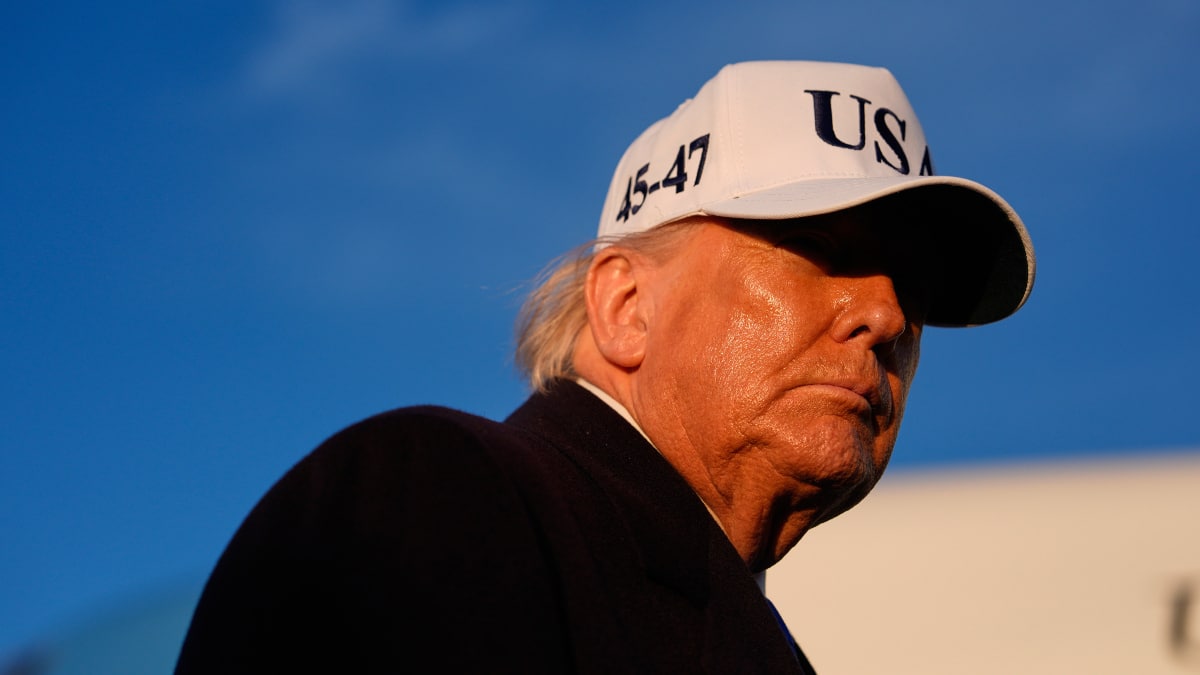
When Trump says Iran "wants peace," he is misinterpreting survival for submission. Iran doesn't want peace in the Western sense—a liberalized economy and open borders. They want a subsidy for their status quo. Conversely, the U.S. demand for "stronger terms" isn't a search for a better contract; it is a demand for a different regime.
You cannot negotiate the terms of your own execution. That is why the talks "fail" year after year. They are designed to.
The Profit in the Pivot
I have watched analysts burn through millions in consulting fees trying to predict the "breakthrough" date for U.S.-Iran relations. They are asking the wrong question. Instead of asking "When will they settle?", ask "Who loses if they do?"
- The Defense Industrial Complex: Constant tension justifies the $800 billion-plus Pentagon budget and massive arms sales to Riyadh and Abu Dhabi.
- The Iranian Revolutionary Guard (IRGC): Sanctions are the best thing that ever happened to their balance sheet. They control the black markets. They run the smuggling routes. If the "maximum pressure" vanished tomorrow, the IRGC’s monopoly on the shadow economy would evaporate.
- Political Theater: For a populist leader, an external "Great Satan" or a "Madman in the White House" is the ultimate distraction from domestic inflation and crumbling infrastructure.
Peace is a terrible business model for the people currently in charge of the negotiation.
Sanctions Are a Blunt Instrument in a Scalpel World
The "lazy consensus" in Washington is that sanctions eventually force a country to the table. History suggests otherwise. Look at Cuba. Look at North Korea.
Sanctions don't break regimes; they harden them. They wipe out the middle class—the very people who might actually push for a pro-Western, democratic shift—and leave only the elite and the desperate. The elite thrive on the scarcity, and the desperate are too busy finding bread to start a revolution.
The "stronger terms" Trump demands usually include things like "total cessation of regional influence" and "complete dismantling of missile programs." In the world of $Realpolitik$, these aren't negotiating points. They are demands for total surrender. No sovereign nation, regardless of how "bad" we think they are, accepts those terms unless their capital is under occupation.
The Calculation of Chaos
Imagine a scenario where the U.S. actually got everything it wanted. A total Iranian collapse.
What happens the next day? You get a power vacuum in a country of 85 million people, sitting on the world's most vital oil transit point. You get a refugee crisis that makes the Syrian exodus look like a weekend trip. You get a dozen splintered militias fighting over a nuclear-capable carcass.
The U.S. intelligence community knows this. The White House knows this. This is why the pressure is always "maximum" but the actual military strike never happens. It is a choreographed dance of threats designed to maintain a stalemate, not to resolve it.
The People Also Ask (and get the wrong answers)
Q: Does Iran actually want a nuclear weapon?
The honest, brutal answer: They want the capability, not necessarily the bomb itself. The capability is the ultimate insurance policy. Once you have it, you are North Korea—untouchable. If you actually build and test it, you risk a preemptive strike. The "threshold" status is the sweet spot. It provides all the leverage with half the risk.
Q: Is Trump's "Art of the Deal" approach working?
It works for his base, and it works for his brand. Does it work for regional stability? No. But stability isn't the goal. The goal is the projection of dominance. By claiming the current offers are "not good enough," he maintains the image of the tough negotiator without ever having to actually govern the consequences of a signed treaty.
The High Cost of the "Stronger" Terms
Let's look at the math. The "stronger terms" involve secondary sanctions that alienate our actual allies. We are forcing the EU, China, and India to choose between the U.S. financial system and Iranian energy.
This isn't just about Iran anymore. This is about the weaponization of the dollar. Every time we use the SWIFT system as a cudgel to enforce a "better deal," we fast-track the development of alternative payment systems. We are trading long-term American financial hegemony for a short-term political talking point about Tehran.
It’s a bad trade.
Stop Looking for a Signature
The mistake everyone makes—from the journalists at the New York Times to the pundits on Fox—is expecting a "signing ceremony." There will be no 1979-style breakthrough. There will be no grand bargain.
The "peace" is already here. This is it. This simmering, low-level conflict is the stable equilibrium. It allows both sides to spend what they want, say what they want, and keep their respective populations in a state of perpetual, useful anxiety.
If you are waiting for a "better deal" to fix the Middle East, you are the mark in this con. The players don't want a fix. They want the fight.
The only way to win this game is to stop pretending the negotiation is real. The "Not good enough" stance isn't a prelude to a deal; it is the permanent substitute for one.
Accept the stalemate. It’s the only honest thing on the table.