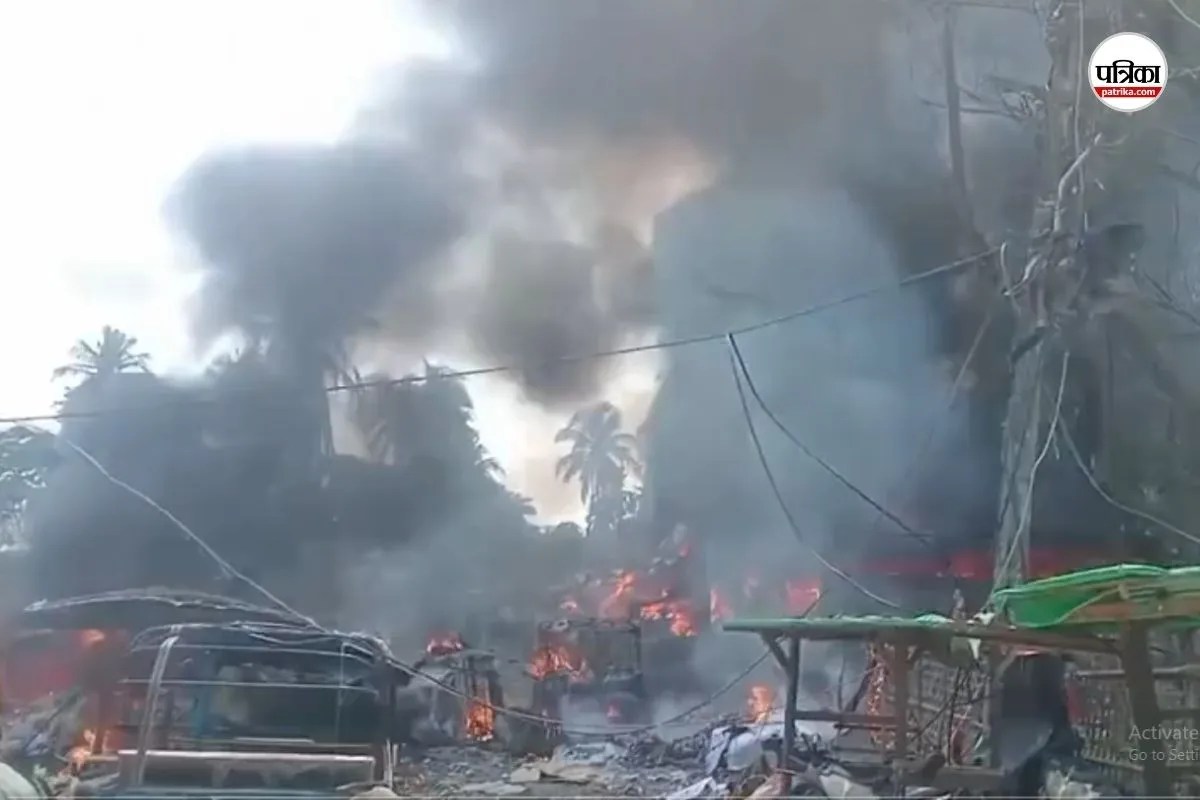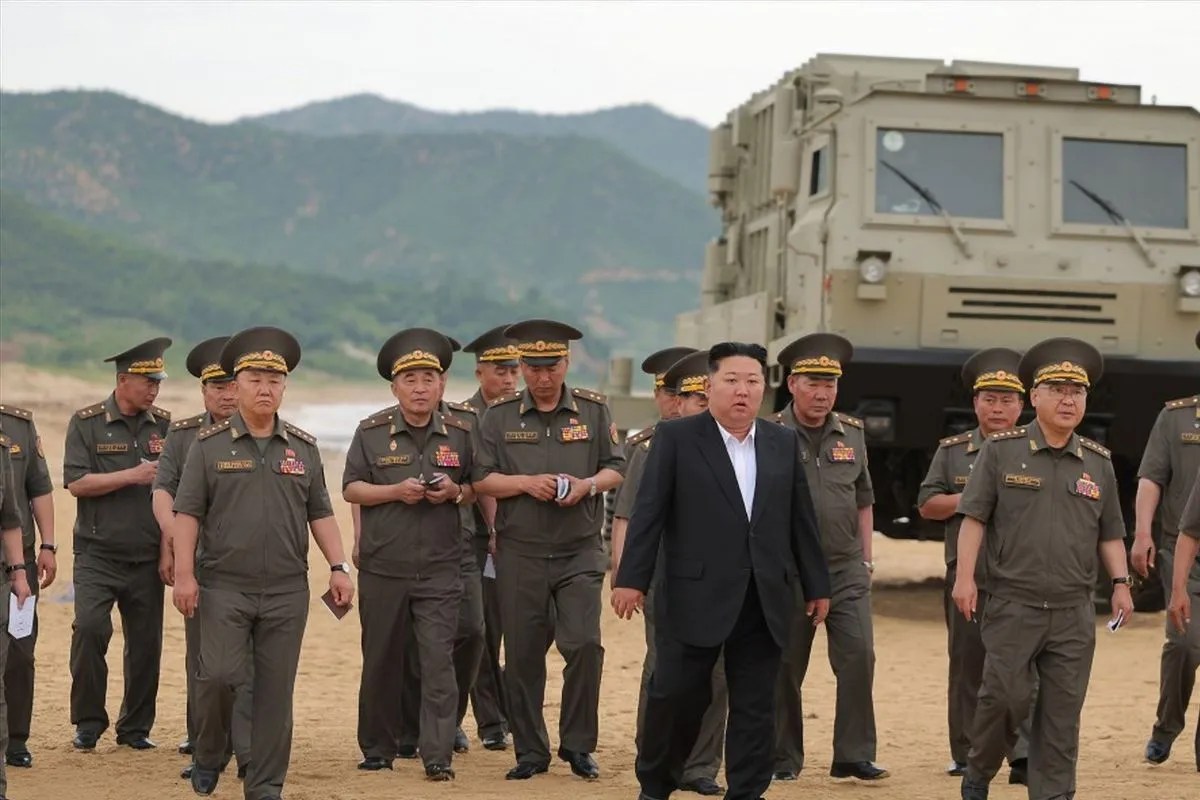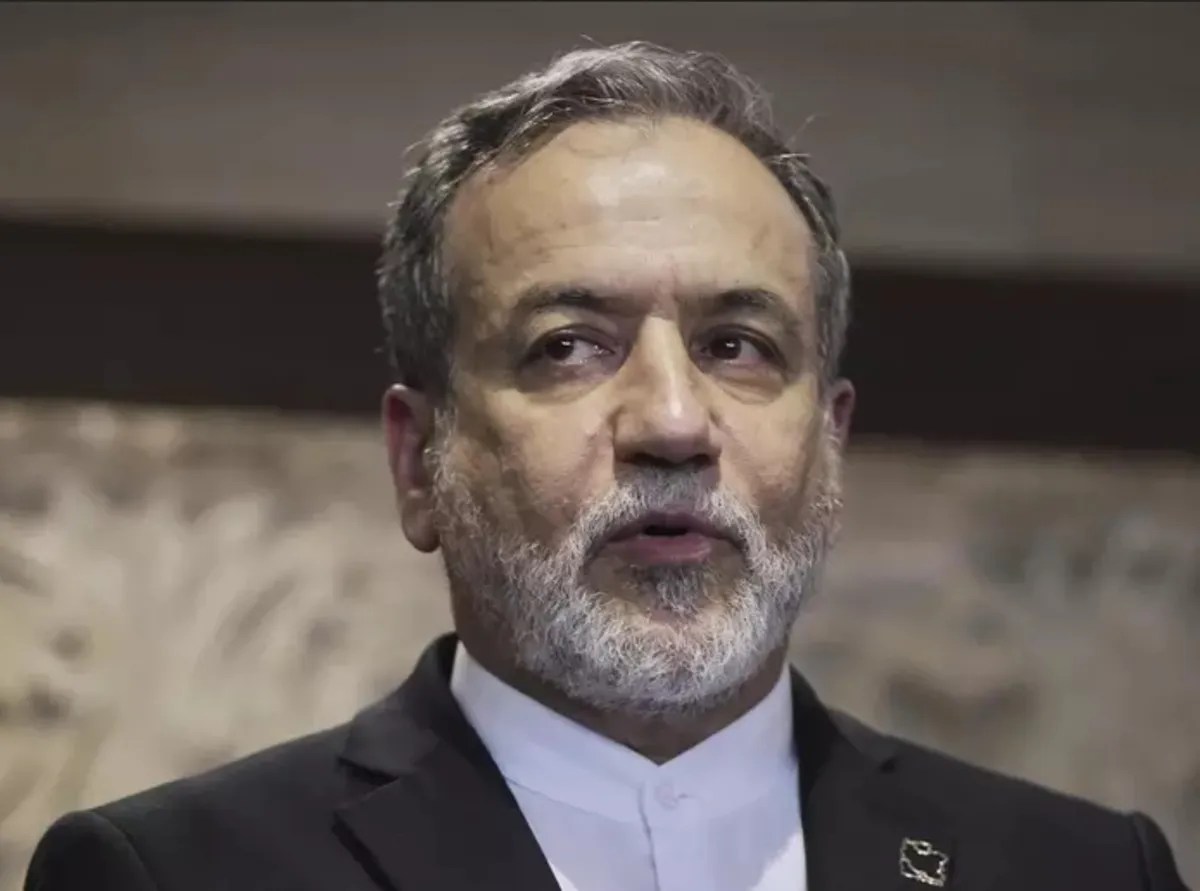
Every time a headline screams about an impending foreign sabotage operation targeting domestic military infrastructure, the public swallows a sedative disguised as breaking news. The recent breathless coverage surrounding five British citizens arrested amidst whispers of an Iranian conspiracy against a UK military base is a masterclass in this genre. It gives armchair strategists their daily fix of geopolitical adrenaline while completely missing the structural reality of how modern state conflict actually operates.
Let us drop the pretense and state the obvious. Iran is not planning to blow up barracks in the Home Counties. The Islamic Republic possesses a sophisticated, multi-layered asymmetric doctrine built on cyber warfare, regional proxy mobilization, maritime choke-point pressure, and strategic deterrence. Launching amateurish kinetic sabotage operations inside the borders of a nuclear-armed NATO member state is not just counterproductive for Tehran; it is an act of self-inflicted strategic suicide. Yet, the security establishment and the media apparatus feed on the myth of the omnipresent foreign sleeper cell.
To understand why this narrative persists, you have to look past the dramatic press releases and examine the institutional incentives driving them.
The Economics of Threat Inflation
I have spent years watching security agencies, defense analysts, and media syndicates dance the same predictable tango. When budgets are up for renewal, when domestic political scandals threaten sitting governments, or when public attention needs rerouting away from economic stagnation, nothing concentrates the mind quite like a shadowy foreign villain.
The formula is remarkably simple. Take a murky police detention—often involving low-level financial crimes, immigration irregularities, or fringe associations—and wrap it in the lexicon of counter-terrorism. Sprinkle in references to foreign intelligence handlers, encrypted messaging apps, and critical defense sites. By the time the story hits the front pages, a routine law enforcement action has shape-shifted into an existential national security crisis.
The media loves it because fear sells clicks. The intelligence agencies love it because an invisible, lurking threat justifies expanded surveillance mandates, bloated budgets, and institutional immunity from oversight. And politicians love it because it temporarily unites a fractured electorate against an external bogeyman.
This dynamic is not new. If you study the history of state security panics across the twentieth and twenty-first centuries, a clear pattern emerges. Whenever domestic institutions face a crisis of legitimacy or fiscal squeeze, the exterior threat horizon miraculously expands to match the budgetary requirements of the security state.
Nobody wins except the architects of paranoia. And the public pays the price in lost civil liberties and distorted priorities.
Dissecting Tehran Realpolitik
To evaluate the claim that Iran was orchestrating a kinetic attack on a British military installation, you have to examine Iranian strategic doctrine through a lens free of orientalist caricature. Tehran is governed by a calculating, survival-oriented clerical and military elite. They do not operate like comic-book villains seeking mutual destruction for dramatic effect.
Iran’s strategic calculus is defined by deterrence. Since the unilateral US withdrawal from the Joint Comprehensive Plan of Action and the subsequent maximum pressure campaign, Tehran has refined its playbook. It relies on the Axis of Resistance across the Middle East, sophisticated offensive cyber capabilities targeting critical infrastructure, and nuclear threshold management.
Why would a regime facing severe domestic economic pressures, regional friction, and constant covert sabotage on its own soil—ranging from assassinated nuclear scientists to mysterious explosions at military facilities—choose to open a clumsy, high-risk kinetic front inside Great Britain?
They would not. To believe they would is to misunderstand the entire paradigm of modern asymmetric warfare. Sabotaging a barracks in the UK triggers Article 5 or equivalent collective defense responses, invites devastating retaliatory cyber strikes, and unites a fractured Western alliance that is currently divided over multiple global crises. Tehran gains zero leverage and risks total regime destabilization. It is strategic illiteracy of the highest order.
The Reality of the Arrests: Fixers, Pawns, and Bureaucratic Dragnets
So what actually happened with the five British citizens arrested in this high-profile sweep?
In counter-intelligence operations, headlines rarely match the forensic reality of the courtroom months later. When security services run sweeping investigations, they cast a massive net. They scoop up border-line fixers, individuals with dubious financial transactions, eccentric political activists, and low-level couriers who may have had tangential contact with foreign intelligence operatives or front companies.
These individuals are rarely elite saboteurs carrying explosives blueprints. More often than not, they are opportunistic intermediaries moving cash, facilitating visa paperwork, or gathering open-source intelligence that any curious teenager could pull off Google Maps. When police swoop in, the optics are managed to maximize cinematic impact. Arrests are timed for maximum political visibility.
When the dust settles and the cases wind their way through the judicial system, the grand conspiracy often evaporates into lesser charges of administrative violations, passport fraud, or minor financial infractions. But by then, the news cycle has moved on, and the initial panic has already done its work, cementing the desired public impression in the cultural memory.
The Danger of Crying Wolf
There is a severe cost to manufacturing these cinematic threat narratives. When intelligence apparatuses cry wolf over exaggerated foreign plots, they degrade their own institutional credibility.
Real threats exist. Modern nation-states engage in relentless espionage, intellectual property theft, disinformation campaigns, and targeted cyber incursions against critical infrastructure. These are silent, grinding wars fought in server rooms, financial networks, and diplomatic antechambers. They require rigorous, methodical counter-intelligence work, silent resource allocation, and sober analysis.
When security agencies dress up low-level police work as James Bond-style counter-terrorism spectacles to score political points, they distract from the actual, unglamorous vulnerabilities plaguing Western infrastructure. While pundits hyperventilate over phantom saboteurs at a military base, real vulnerabilities in software supply chains, maritime cables, and financial clearinghouses remain under-protected.
Furthermore, this culture of perpetual threat inflation normalizes the erosion of domestic rights. Every time a dramatic foreign plot is announced, new legislative proposals appear overnight, expanding police powers, restricting public protest, and normalizing warrantless surveillance under the banner of national emergency.
How to Read Intelligence Leaks Like an Insider
If you want to cut through the noise the next time a sensational national security story breaks, you need to apply a rigorous skepticism test. Stop absorbing headlines as gospel and start dissecting the structural mechanics of the leak.
First, look at the timing. Ask yourself what domestic political headache the government is currently facing. Is inflation soaring? Is a labor strike paralyzing public services? Is a parliamentary scandal dominating the news? In ninety percent of cases, a blockbuster security leak serves as the ultimate smoke machine.
Second, examine the sourcing. If an article relies exclusively on unnamed intelligence sources whispering about classified briefings without corroborating judicial filings or public indictments, treat it with extreme suspicion. Anonymous leaks designed to shape public opinion before an investigation even concludes are political tools, not objective reporting.
Third, separate intent from capability. Even if a foreign actor holds hostile intentions—which adversarial states naturally do toward one another—having hostile intent is light-years away from executing a complex domestic kinetic operation on allied soil. Conflating the two is the oldest trick in the threat-inflation playbook.
The Uncomfortable Truth About Modern Security
The security of a modern nation is not maintained by breathless media cycles or cinematic arrests. It is maintained through quiet, boring resilience, disciplined counter-intelligence, and the refusal to panic every time an adversarial state rattles its saber.
Iran responds to diplomatic pressure, economic reality, and regional power balances. Britain defends its borders through robust institutional systems, not because five local citizens were rounded up in a dramatic dawn raid.
It is time to grow up past the comic-book framing of international relations. The real danger is not that foreign powers are turning every domestic street corner into a battlefield. The real danger is that we are willingly surrendering our critical thinking to an apparatus that profits from our fear. Stop buying the script. Start looking at the machinery behind the curtain.