Israel just blinked, but it wasn't because of a sudden change of heart in Tel Aviv. It was because Pakistan—a country usually buried under its own economic and internal security crises—stepped into the middle of the world’s most dangerous crossfire.
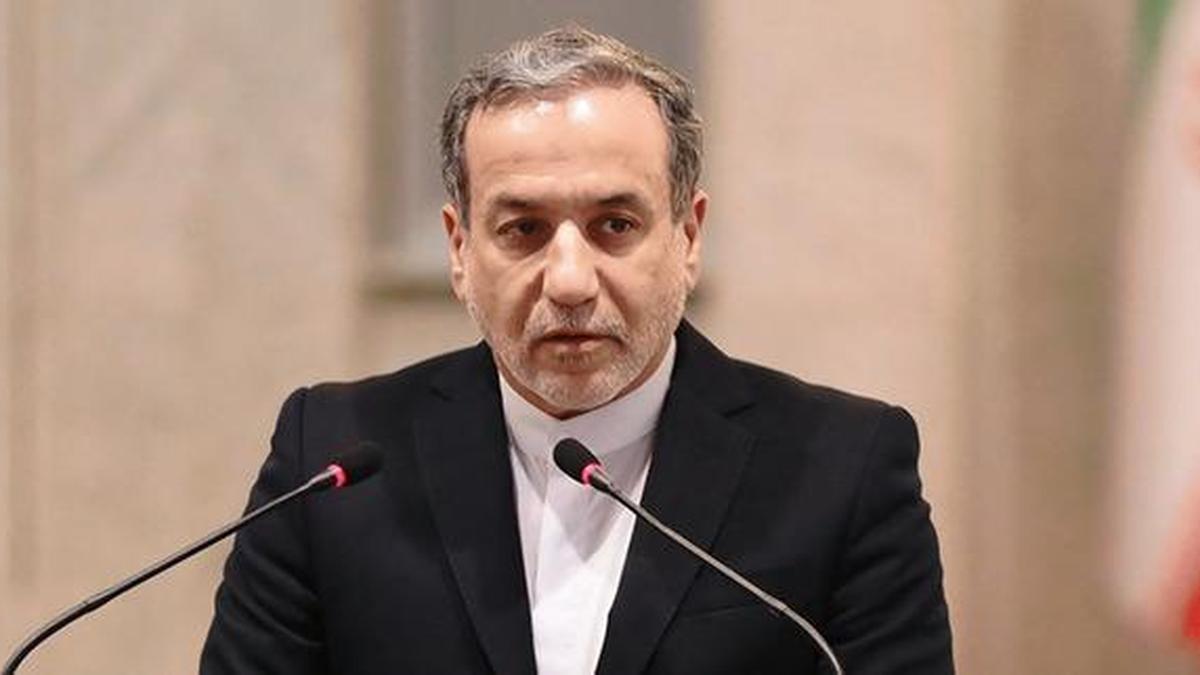
Recent reports confirm that Israel has pulled Iranian Foreign Minister Abbas Araghchi and Parliament Speaker Mohammad Bagher Qalibaf off its active "hit list." This isn't a permanent pardon. It's a calculated, five-day window of immunity requested by Islamabad and relayed through Washington. The logic Pakistan sold to the U.S. was simple and devastatingly pragmatic: if you kill the only people left who can actually sign a ceasefire, you're not winning a war; you're just ensuring it never ends. You might also find this connected coverage insightful: Strategic Asymmetry and the Kinetic Deconstruction of Iranian Integrated Air Defense.
The logic of the empty chair
When the news broke that the IDF had the coordinates for Araghchi and Qalibaf and was ready to pull the trigger, the diplomatic world held its breath. Since February 28, 2026, the Israeli strategy has been a relentless "hunt-and-kill" campaign. They've already taken out the head of the IRGC Navy, Admiral Alireza Tangsiri, and several other high-ranking officials. The goal was decapitation.
But Pakistan’s intervention changed the math. A senior Pakistani official reportedly told U.S. mediators that "if they are also eliminated, then there is no one else to talk to." As discussed in recent reports by USA Today, the effects are significant.
Think about that for a second. In a regime where the Supreme Leader has already been a target and the command structure is fracturing, Araghchi and Qalibaf represent the "pragmatic" wing—or at least the wing that understands how to read a 15-point ceasefire proposal without setting it on fire.
Why these two?
- Abbas Araghchi: As Foreign Minister, he's the face of Iran's diplomacy. He knows how to navigate the West. If he dies, there's no bridge to a deal.
- Mohammad Bagher Qalibaf: As Speaker of Parliament, he represents a different power center within the Iranian establishment. He’s seen as someone who could help stabilize a post-war or post-Supreme Leader transition.
The 15-point proposal you need to know
The deal on the table isn’t some vague "hope for peace." It’s a 15-point ceasefire proposal sent by U.S. President Donald Trump via Pakistan to Tehran. It’s a high-stakes, "all-or-nothing" document.
- Strait of Hormuz: Immediate reopening and cessation of all mining operations.
- Uranium: Removal of Iran's stocks of highly enriched uranium (around 440 kilograms).
- Ballistic Missiles: Drastic curbing of the program that has already hit Tel Aviv and Diego Garcia this month.
- Regional Funding: Cutting off the "axis of resistance" proxies in Lebanon, Iraq, and Yemen.
The White House is playing bad cop, too. Press Secretary Karoline Leavitt has been clear: "Operation Epic Fury continues unabated" while these five days of immunity are in play. It’s a "talk or die" ultimatum.
Pakistan as the unexpected mediator
People often forget that Pakistan shares a 900-kilometer border with Iran. If Iran collapses, Pakistan gets the fallout—refugees, cross-border insurgency from Baloch militants, and potential sectarian riots from its own 40-million-strong Shia population.
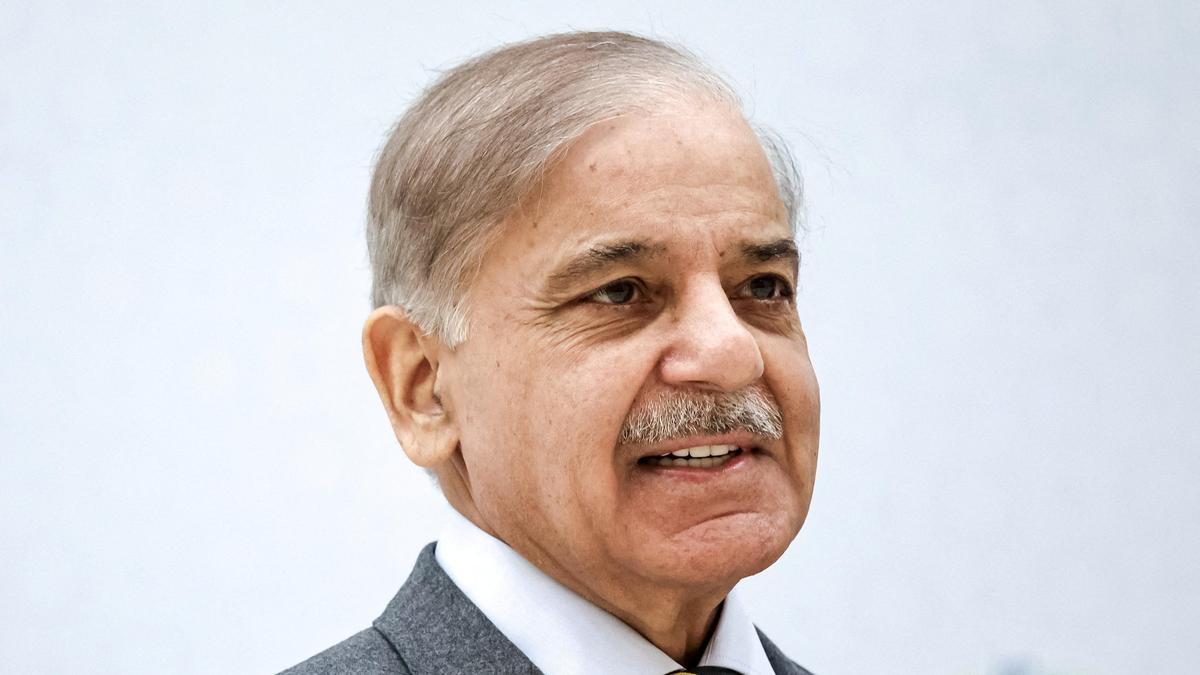
Pakistan's Army Chief, Field Marshal Syed Asim Munir, has been on the phone with Trump, while Prime Minister Shehbaz Sharif has been talking to Iranian President Masoud Pezeshkian.
Islamabad is one of the few places on earth that maintains functional, high-level access to both the Pentagon and the IRGC’s security councils. This isn't just about diplomacy; it's about survival for Pakistan, too. They don't want a "failed state" neighbor next door.
The Mediterranean-to-Indus connection
While Egypt and Turkey are also involved, Pakistan has the most skin in the game. They’ve managed the impossible: being a U.S. security partner while keeping an Iranian interests section in their Washington embassy.
What happens after the five days?
We’re currently in a window of "temporary immunity." It’s basically a five-day pause on the assassination of top political leaders. But don't mistake this for a ceasefire. Israel just killed the IRGC Navy chief in Bandar Abbas while his name was still on the list.
The Israeli Defense Minister, Israel Katz, hasn't been shy about his "Operation Roaring Lion." He's basically said they’ll keep hunting the IRGC one by one until the war objectives are met.
Next steps for following this story:
- Watch the Strait of Hormuz. If Iran starts removing mines or allows a tanker through, it’s a sign the "15-point proposal" is actually being debated in Tehran.
- Keep an eye on Islamabad. If a summit is officially announced for this weekend involving VP JD Vance and Qalibaf, the war might actually be ending.
- Check for "unauthorized" IRGC movements. Hardliners in the IRGC might try to sabotage these talks by launching a strike before the five-day window closes.