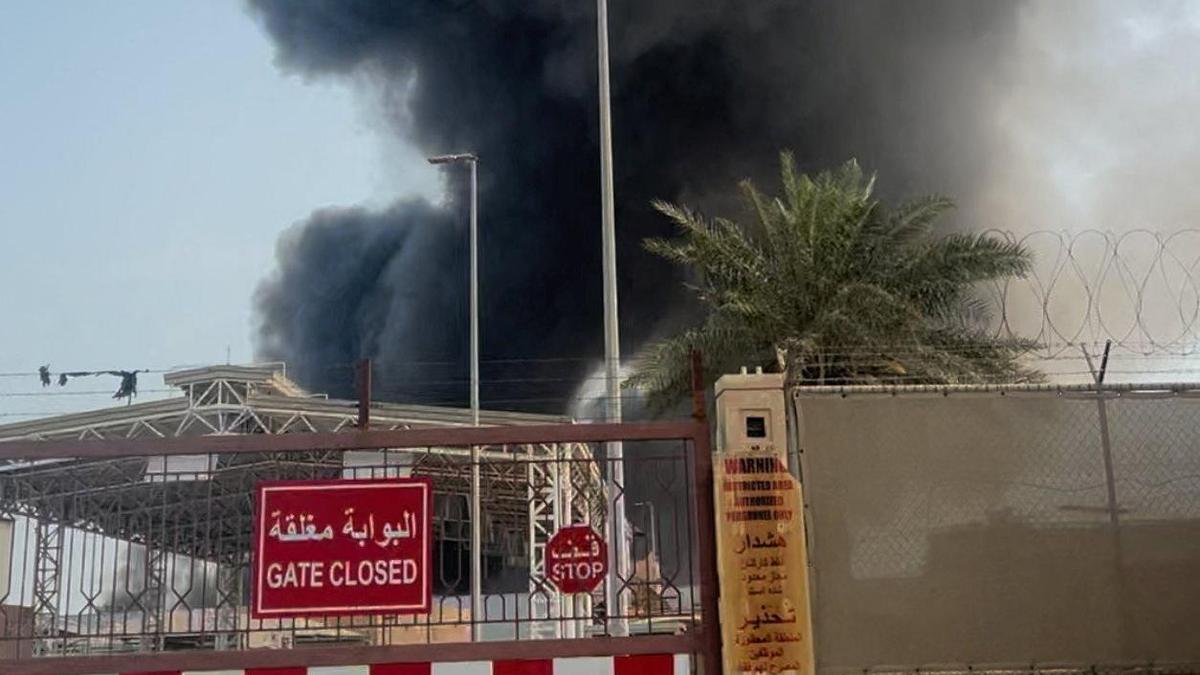
A hospital isn't a battlefield. It shouldn't be. But in the early hours of this morning, the thin line between a medical facility and a military target vanished over the skies of Khost province. A massive Pakistan strike on an Afghanistan hospital has reportedly left more than 200 people dead. This wasn't a precision hit on a high-level insurgent meeting. Most of those killed were patients seeking treatment for drug addiction in a country already hollowed out by decades of narcotics and war.
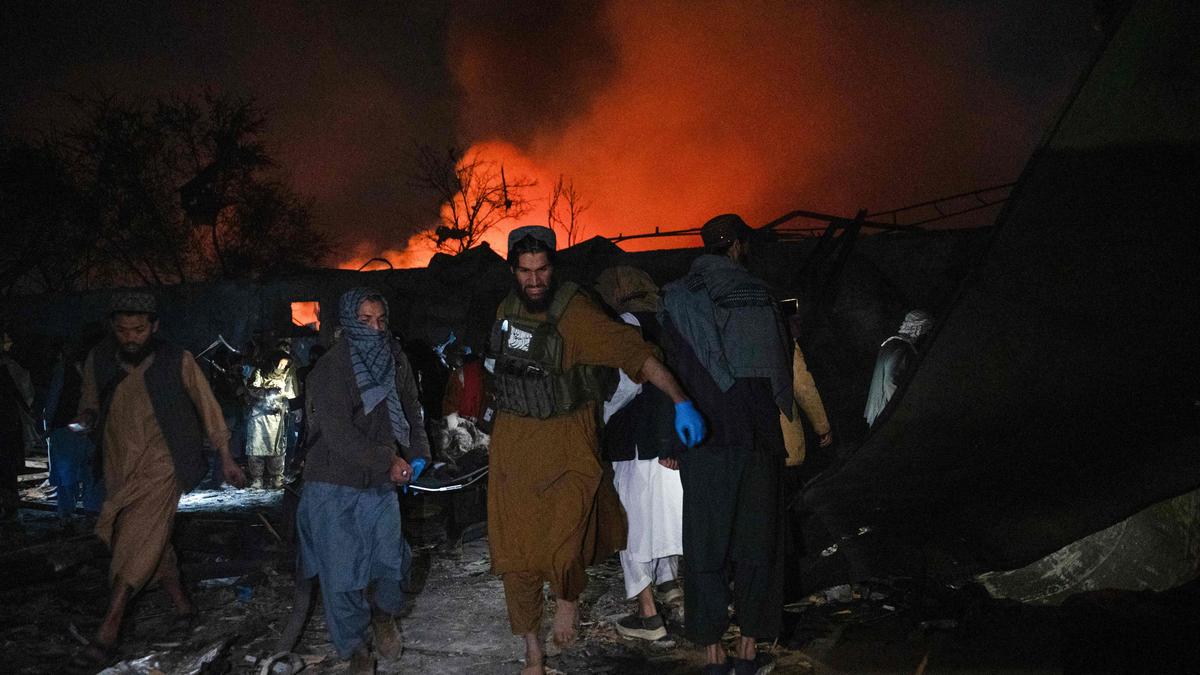
The scale of this loss is staggering. Initial reports from local health officials in the border region describe a scene of absolute carnage. The facility, which primarily served as a rehabilitation center for some of Afghanistan's most vulnerable citizens, was leveled. We're talking about a population that already lives on the margins, now caught in the crossfire of a deteriorating diplomatic relationship between Islamabad and the Taliban government in Kabul.
Why the Border is Bubbling Over Right Now
You can't understand this strike without looking at the map. The border between Pakistan and Afghanistan—the Durand Line—has been a tinderbox for years. Pakistan claims that groups like the Tehrik-i-Taliban Pakistan (TTP) use Afghan soil to launch attacks across the border. They're frustrated. They feel the Afghan Taliban isn't doing enough to rein in these militants.
But bombing a hospital? That's a massive escalation that changes the math for everyone involved. While Pakistan often conducts "intelligence-based operations" in the border areas, hitting a known medical facility suggests either a catastrophic intelligence failure or a deliberate, brutal message. If the goal was to eliminate militants, the cost in civilian lives has rendered any tactical gain irrelevant. The international community, including bodies like the United Nations Assistance Mission in Afghanistan (UNAMA), has repeatedly warned that cross-border violence only fuels the recruitment cycles of the very groups Pakistan wants to stop.
The Tragedy of the Targeted Patients
Afghanistan has one of the highest rates of opiate use in the world. It's a legacy of the war and the massive poppy production that funded it. The patients at this specific Khost hospital weren't soldiers. They were fathers, sons, and brothers trying to get clean in a country with almost no healthcare infrastructure left.
- The facility was one of the few functional clinics in the eastern region.
- Most victims were unarmed and under medical supervision.
- Eyewitnesses describe the survivors as being in a state of total shock, wandering the debris of the only place that offered them hope.
It's easy to get lost in the geopolitics. We talk about "strategic depth" and "border security." But the reality is much grittier. It’s the smell of cordite and the sight of hospital beds twisted into scrap metal. When you hit a rehab center, you aren't just killing people; you're killing the possibility of recovery for an entire community.
A Massive Intelligence Failure or Something Darker
Pakistan’s military hasn't officially detailed the specific target of the Khost strike yet. Usually, they'll point to "terrorist hideouts." But local sources are adamant. There was no militant presence in the hospital. This raises a terrifying question about the quality of the data being used to program these strikes.
In modern warfare, we're told that technology makes things cleaner. It doesn't. When a drone or a jet drops a payload on a civilian coordinate, it’s a failure of the highest order. If the Pakistani military believed TTP fighters were hiding among drug addicts, their decision to proceed anyway shows a total disregard for international humanitarian law. This isn't just a "mistake." It's a potential war crime that will haunt the region's diplomacy for a decade.
The Fallout for Taliban-Pakistan Relations
The relationship between Kabul and Islamabad is at an all-time low. It's ironic, honestly. Pakistan was the primary patron of the Taliban for years. Now, they're the ones trading fire. The Taliban's Ministry of Defense has already issued a stern warning, calling the strike an "unprovoked aggression."
Don't expect the Taliban to sit back. They've already proven they're willing to move heavy weaponry to the border. This strike might be the catalyst for a much wider conflict that neither country can afford. Pakistan is dealing with a collapsing economy and internal political turmoil. Afghanistan is facing a massive humanitarian crisis and widespread famine. Both are playing a high-stakes game of chicken with lives they don't value.
What This Means for Global Security
When regional powers start bombing each other’s infrastructure, the "Global War on Terror" enters a weird, fractured phase. The US and its allies have largely pulled out, leaving a power vacuum. Now, we see regional players using the same "anti-terror" justifications to settle old scores or project power.
This strike won't make Pakistan safer. It won't stop the TTP. It will, however, radicalize the survivors and the families of the 200 people killed. It provides a perfect propaganda win for extremists who claim that the state is the enemy of the people.
The Human Cost Beyond the Headlines
Numbers like "200 killed" are hard to process. It’s a headline. It’s a stat. But it represents 200 families who now have to bury their loved ones in a land that is already one giant graveyard. The medical staff who died were some of the few trained professionals left in the country. Losing them is a blow to the entire Afghan health system that will be felt for years.
The world needs to stop looking at these border strikes as isolated incidents. They're part of a systemic failure of diplomacy and a reliance on kinetic force to solve political problems. You can't bomb your way to a stable border.
If you want to help, support organizations like Doctors Without Borders (MSF) or the International Committee of the Red Cross (ICRC). They're the ones actually on the ground trying to piece lives back together after the missiles stop falling. Keep an eye on the official statements from the UN Security Council over the next 48 hours. If there's no formal condemnation, it's a sign that the international community has effectively given up on holding regional powers accountable for civilian deaths.
Stay informed by following independent journalists on the ground in Khost and Kabul. Don't just rely on state-sponsored media from either side. The truth is usually buried under the rubble of the buildings they claim were "legitimate targets."