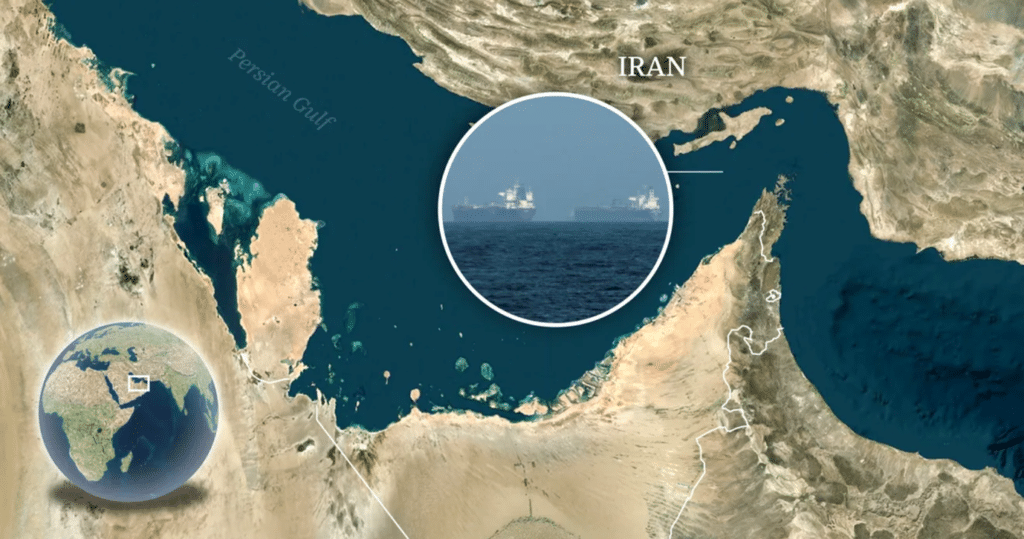
Pakistan's petroleum minister recently admitted something that most economists have been whispering about for years. The country's energy security is on thin ice. When global oil prices jump or supply chains hiccup, Pakistan feels the heat immediately. Meanwhile, just across the border, India seems to be cruising through the same global storms with far less drama. It isn't just luck. It’s the result of two completely different approaches to strategic reserves and fiscal management.
If you’re wondering why your fuel prices at the pump feel like a rollercoaster while other nations keep things steady, the answer lies in how much oil a country keeps in the "basement" for a rainy day. Pakistan's minister pointed out the glaring gap in oil reserves between the two neighbors. It’s a wake-up call for anyone following South Asian economics. The reality is that without a massive overhaul of how fuel is stored and taxed, Pakistan will keep hitting these walls.
The Massive Gap in Strategic Petroleum Reserves
The core of the problem is the Strategic Petroleum Reserve (SPR). Think of this as a national savings account, but instead of cash, it’s filled with millions of barrels of crude oil. India has spent the last two decades building massive underground rock caverns to hold this stuff. They currently have the capacity to store about 5.33 million metric tons of crude. That's enough to keep their entire country running for roughly 9.5 days.
Pakistan doesn't have anything close to that.
Most of Pakistan's storage is held by private oil marketing companies. It's operational storage, not strategic. This means they're usually only 20 days away from a total dry-out if imports stop. When the minister contrasts Pakistan's oil shock with India's stability, he's talking about the luxury of time. India can afford to wait out a price spike. Pakistan has to buy at whatever the market demands because they need the ships to arrive every single week just to keep the lights on.
Buying Power and Currency Woes
It’s not just about the tanks. It’s about the money used to fill them. India has managed to maintain a relatively stable Rupee and a massive pile of foreign exchange reserves—over $600 billion. They’ve used this muscle to negotiate better deals. Look at the last couple of years. India started buying discounted Russian oil in massive quantities despite Western pressure. They had the refining capacity and the cash to make it happen.
Pakistan’s hands are tied. With foreign exchange reserves often hovering at dangerously low levels, the government struggles just to open Letters of Credit (LCs) for fuel imports. You can't negotiate a discount when you’re struggling to prove you can pay the bill at all. This creates a vicious cycle. The local currency devalues, making the next shipment of oil even more expensive, which then drives up inflation and kills any chance of saving money to build those much-needed storage caverns.
Refining Capacity Is the Missing Link
You can't just dump crude oil into a car. You need refineries. India has transformed itself into a global refining hub. They don't just meet their own needs; they export refined products to Europe and the US. This gives them a massive cushion. If crude prices go up, they make more money on their refined exports, which helps offset the cost at home.
Pakistan’s refineries are mostly older, "hydroskimming" plants. They produce too much low-value furnace oil and not enough high-value petrol or diesel. Because of this inefficiency, the country has to import finished products, which are always more expensive than raw crude. It’s like buying pre-sliced bread because your toaster is broken—it costs more every single time.
Why Political Stability Dictates the Price at the Pump
Economic decisions in Islamabad are often derailed by the need for political survival. Subsidizing fuel is a common tactic to keep the public happy, but it’s a short-term fix that leads to long-term disaster. When the government can’t afford the subsidy anymore, they’re forced to hike prices overnight by 30 or 40 rupees. That’s where the "shock" comes from.
India has moved toward a more market-linked pricing model over the years. While it hasn't always been smooth, it has prevented the kind of sudden, catastrophic price jumps that paralyze the Pakistani economy. Their stability isn't just about the oil itself; it’s about a predictable policy environment that allows businesses to plan for the future.
The Cost of Living Difference
When oil prices spike in Pakistan, everything else follows. Transport costs go up. The price of milk, vegetables, and grain skyrockets. Because the country relies so heavily on oil for electricity generation (another major difference from India’s more diversified mix of coal, solar, and hydro), an oil shock is also a power shock.
- India uses oil mostly for transport.
- Pakistan uses it for transport AND power.
- The multiplier effect in Pakistan is much more damaging.
Fixing the Energy Foundation
Building strategic reserves isn't something you do in a weekend. It takes years of engineering and billions of dollars. But the first step is admitting that the current "hand-to-mouth" existence isn't working. The petroleum minister's admission is a start, but talk is cheap.
Pakistan needs to incentivize private investment in modern refining technology. They need to move away from using oil for power generation. Most importantly, they need to build actual state-owned strategic reserves that aren't tied to the daily operations of oil companies. Without these steps, the country will remain a passenger in a global market it can't control.
If you’re an investor or a business owner in the region, keep a close eye on the foreign exchange reserves. That’s the real indicator of when the next "shock" is coming. Until those numbers stabilize and the LCs flow freely, the energy sector will remain the biggest bottleneck for growth. Stop waiting for global prices to drop and start demanding better infrastructure at home. It's the only way to break the cycle.