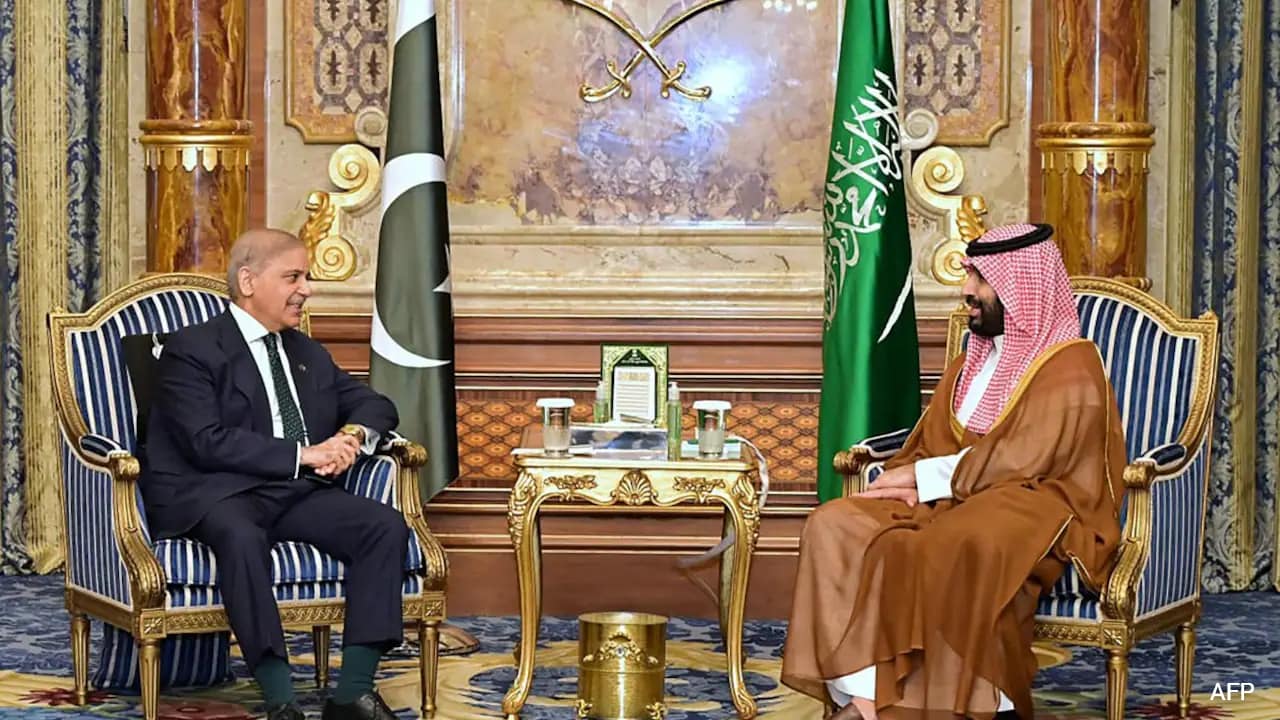
Geopolitical defense pacts look great on paper until the missiles actually start flying. When regional tensions spike and drone strikes test the limits of modern alliances, rhetoric hits a hard wall of reality. Islamabad recently discovered this the hard way, triggering a scramble for diplomatic damage control with Saudi Arabia after pulling back from active military involvement against Yemen's Houthi movement.
The Reality Check Behind the Mecca Pact
A few months ago, the signing of the high-profile defense agreement—often dubbed the Mecca pact—sent a clear signal of tighter security cooperation between Saudi Arabia, Pakistan, and Turkey. Riyadh wanted robust regional defense architecture, especially as traditional security guarantees faced shifting global priorities.
However, when Houthi drone and missile strikes intensified against Saudi infrastructure, the defense arrangement faced an immediate stress test. Islamabad officials quickly realized that political solidarity and joint anti-terrorism statements do not automatically translate into boots on the ground in a messy Yemeni civil war. Pakistan's leadership clarified that the framework remains strictly defensive, designed to safeguard territorial sovereignty rather than launch offensive cross-border counter-offensives.
This sudden backtracking left Saudi policymakers in a difficult spot. Riyadh expected concrete military posture to deter ongoing attacks, while Islamabad found itself walking a tightrope between its historic alliance with the Kingdom and its delicate geopolitical balancing act with neighboring Iran.
Navigating the Diplomatic Tightrope
Managing fallout with your primary financial and strategic benefactor requires precise wording. Pakistani diplomats went into overdrive at the United Nations and through bilateral channels to reassure Riyadh of their unwavering commitment to the safety of the holy sites and Saudi territorial integrity. At the same time, domestic realities dictate extreme caution.
Jumping into an active quagmire in Yemen risks importing regional sectarian friction directly back home, a risk Islamabad cannot afford while grappling with internal economic strains and domestic security challenges.
- Defense vs. Offense: The core friction point is operational scope. Islamabad draws a firm line at participating in offensive campaigns that could drag its forces into a protracted quagmire.
- Economic Vulnerabilities: Spikes in Middle Eastern instability instantly hit Pakistan's energy import bills, making regional de-escalation an economic imperative.
- Balancing Act: Maintaining cordial ties with Tehran while reassuring Riyadh means relying heavily on diplomatic mediation rather than kinetic deterrence.
What This Means for Regional Stability
The episode exposes the hard limits of bilateral defense pacts in modern asymmetric warfare. Inexpensive drones and missiles fired by non-state actors impose massive economic and security costs on wealthy nations, yet traditional heavy militaries struggle to formulate clean, decisive responses.
For Saudi Arabia, the lesson is clear. External allies will offer intelligence sharing, counter-terrorism alignment, and sharp diplomatic condemnations at the UN Security Council, but they won't automatically fight a southern border war. For Pakistan, the challenge is proving that diplomatic backing can substitute for military muscle without alienating an indispensable strategic partner. Expect Islamabad to lean entirely into multilateral forums, pushing for political dialogue and UN-led peace tracks while keeping its military well clear of the front lines.
Pakistan Backtracks On Houthis! Islamabad Reassures Saudi Arabia Over Mecca Pact | Watch
This video provides an in-depth look at Pakistan's diplomatic maneuvering and the tensions surrounding the Mecca defense pact.