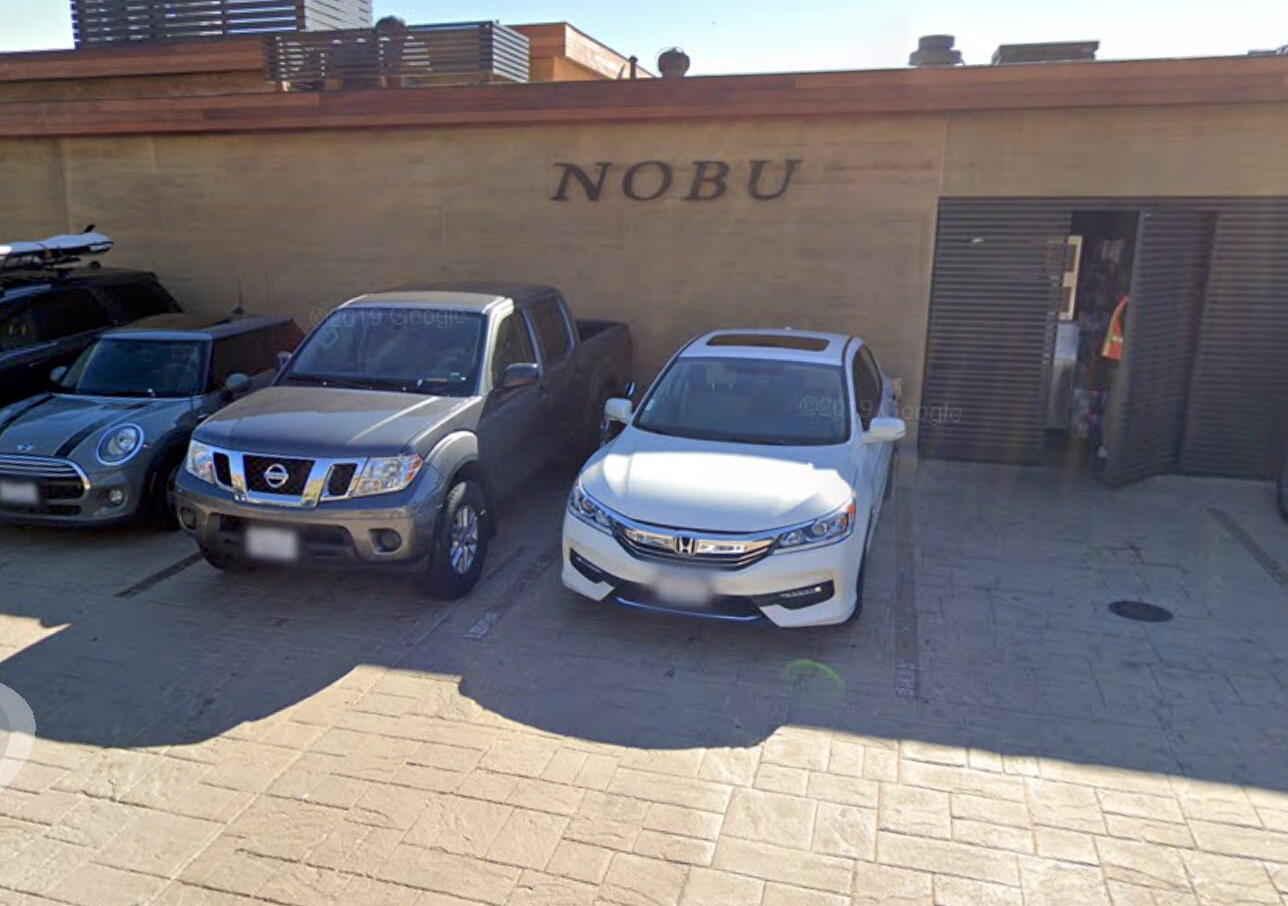
The Pacific Coast Highway is iconic for its ocean views, but it functions as a high-speed commuter raceway where ordinary people pay with their lives. Ryo Uchimiya parked his car just a block away from Nobu Malibu, planning for an upcoming shift. A 16-year-old driving a luxury SUV barreled down the stretch at high speed, slamming into his vehicle and ending the 51-year-old chef's life.
This tragedy isn't an isolated fluke. It highlights an ongoing crisis along a notoriously dangerous coastal corridor that authorities have struggled to tame for decades.
Anatomy of a Coastal Speedway
Pacific Coast Highway cuts through Malibu like a multi-lane highway, yet it functions culturally like a local main street. Posh restaurants, beach access points, and dense pedestrian zones sit right off asphalt where motorists regularly ignore speed limits. Local enforcement and city officials face a relentless battle against excessive speeding. Data from automated speed cameras highlights the sheer scale of the problem, logging tens of thousands of violations in mere days along the Malibu stretch.
When a heavy vehicle like a Range Rover travels at extreme speeds, kinetic energy multiplies exponentially. A parked car offers virtually no protection against an out-of-control SUV barreling off the lanes. Witnesses and surveillance footage of the crash involving Uchimiya revealed a sequence so fast and violent that escape or survival was impossible.
The Human Cost Behind the Kitchen Door
In the restaurant industry, prep shifts start early and require immense dedication. Uchimiya was a respected fixture at Nobu Malibu, known among colleagues for his hard work and quiet reliability. Crew members arriving before dawn often find themselves navigating exhausted routines, squeezing in short rests before opening kitchens that cater to Hollywood elite and tourists alike.
His death triggered an outpouring of grief from coworkers and community members who left makeshift memorials near the site. It also reignited fierce anger among residents who have begged the state and local municipalities for physical infrastructure changes. Speed bumps, narrowed lanes, and stricter police patrols are often debated, but implementation moves at a glacial pace while the death toll climbs.
What Real Reform Requires
Fixing PCH takes more than electronic speed signs and public service announcements. Drivers treat the straightaways like a racetrack because the road design invites high speeds. Real accountability means lowering speed limits permanently, expanding physical barriers between moving traffic and parking lanes, and enforcing zero-tolerance policies for reckless driving, regardless of who is behind the wheel.
Until structural changes arrive, working or walking along this famous strip remains a dangerous gamble. Every new ghost bike or roadside memorial serves as a grim reminder that convenience and scenic drives continue to outweigh human safety.



