A forty-one-second video clip surfaced from the banks of the Narayani River, and the internet immediately found its designated villain. Two men, identified later as Madan Gurung and Umesh Chaudhary, stood over a corpse washed down by catastrophic flash floods, hauling the body by its hair with a wooden plank before unceremoniously ripping gold earrings from the dead ears. The digital lynch mob formed instantly. Headlines screamed about ghoulish theft, moral rot, and the degradation of human empathy in times of crisis. The police moved in, arrests were made, and the internet closed the tab feeling righteous.
Everyone focused on the low-hanging fruit of human depravity while completely ignoring the institutional structural failure that enabled it.
The lazy consensus is that poverty and desperation turn ordinary citizens into soulless scavengers who desecrate bodies for a few grams of gold. This narrative comforts us because it places the blame squarely on individual moral failings. It lets the state, emergency management structures, and civic planners off the hook. If the problem is just that bad people exist, you do not need to fix the infrastructure. You just need more handcuffs.
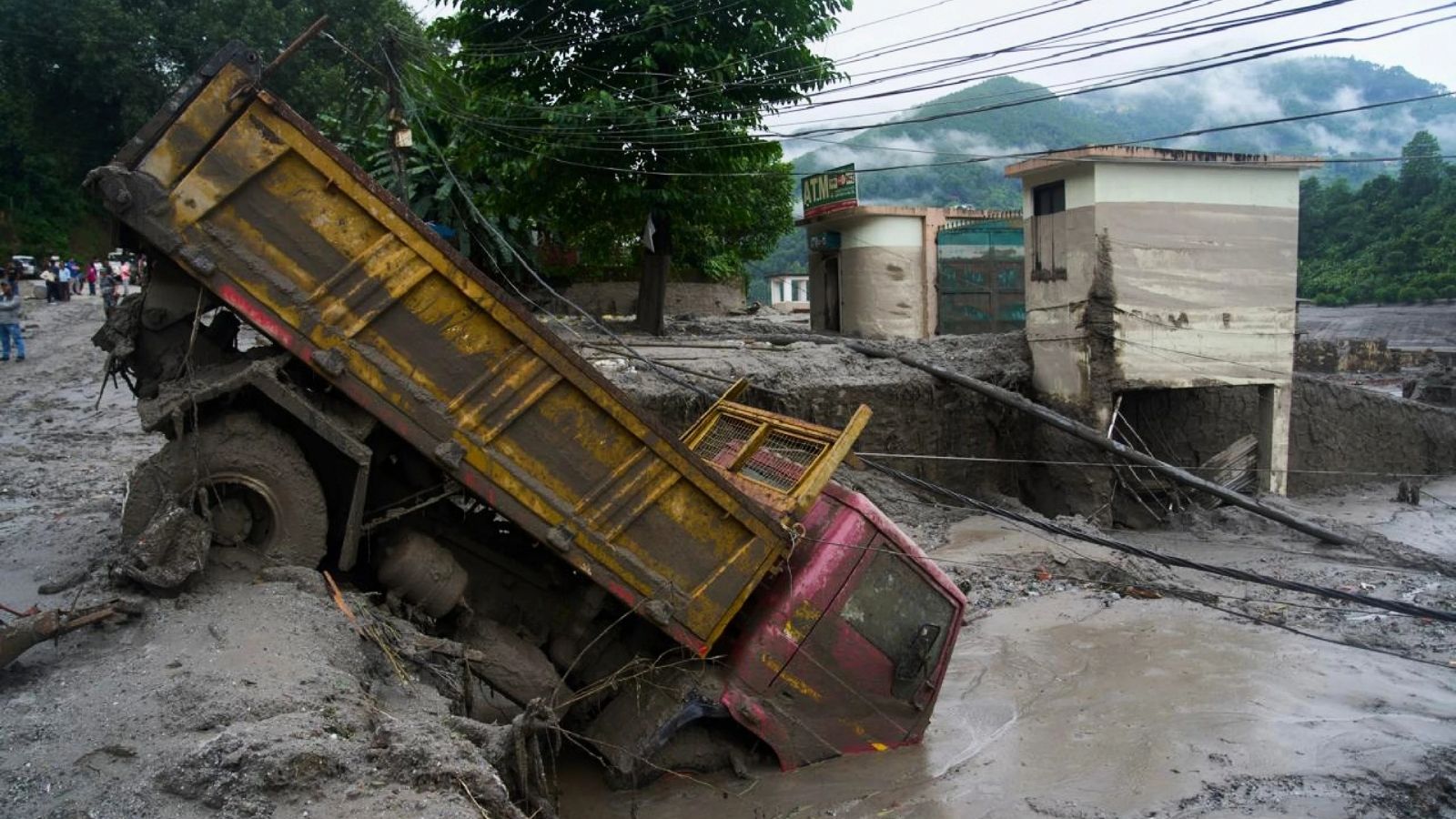
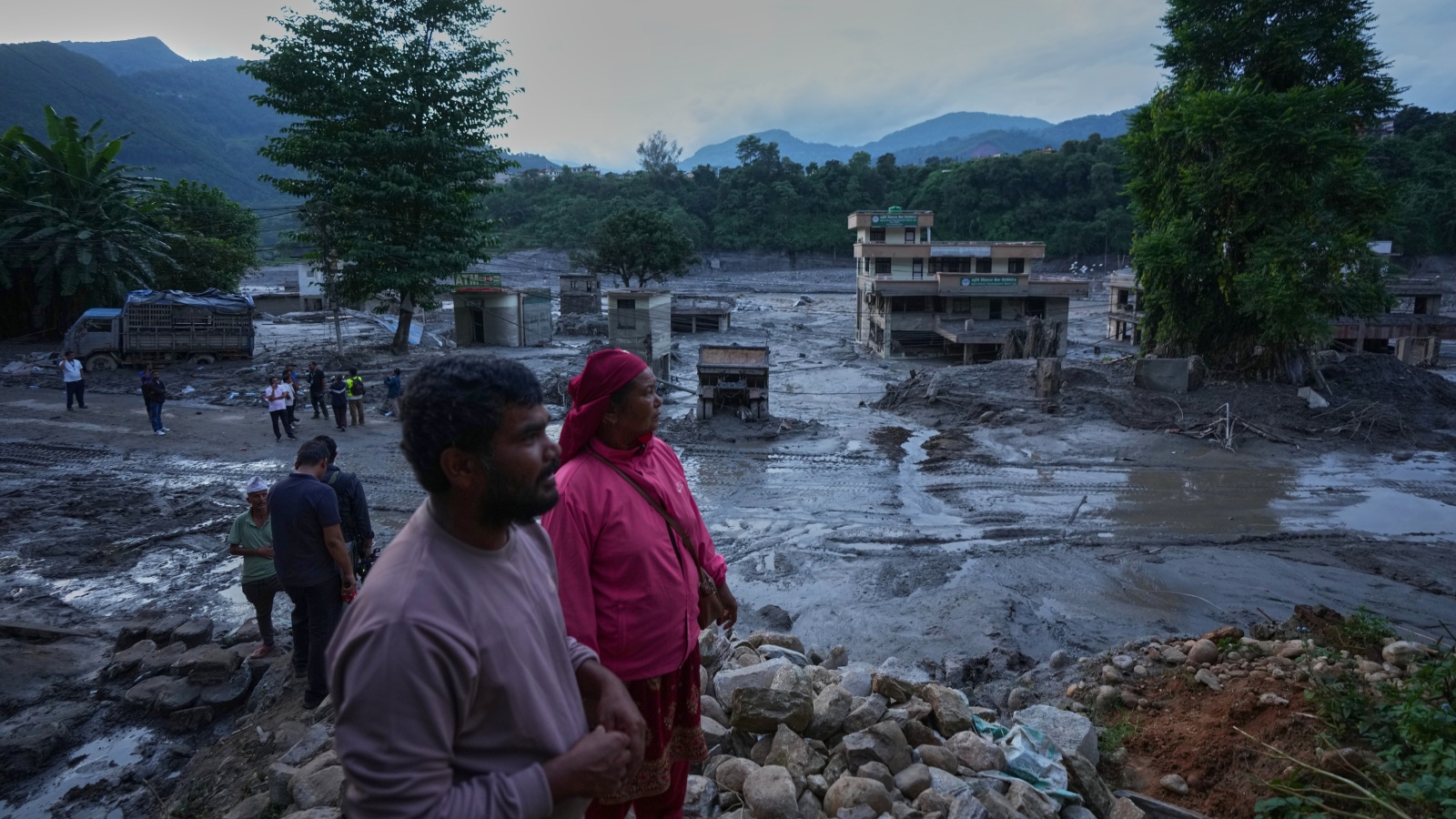
Let us look at the mechanics of disaster zones instead of drowning in performative shock. When rivers swell past dangerous thresholds and sweep away hundreds of lives, as seen in the recent border-area devastation between China and Nepal that left over four hundred dead and thousands missing, basic governance collapses long before the first civilian reaches the riverbank.
Imagine a scenario where a community is entirely abandoned by formal search-and-rescue apparatuses for days, left to watch bloated debris fields float past their doorsteps.
When official channels are non-existent, the vacuum is filled by anarchy. The men in that viral video did not operate in a vacuum of pure malice; they operated in an administrative void where the state had already abdicated its duty to manage the dead with dignity. Corpses floating down a major river do not collect themselves. In the hierarchy of crisis management, body recovery is a specialized, hazardous public health function requiring hazmat protocols, prompt logging, and forensic tracking.
When local authorities fail to secure riverbanks, cordon off disaster perimeters, or deploy recovery teams within hours of a catastrophe, the dead become public property in the worst possible way. Bystanders become coroners, and scavengers become the only active agents on the scene. The crowd standing around with mobile phones recording the incident rather than stopping it indicts a much deeper societal numbness than a couple of opportunists pocketing jewelry.
The outrage over the stolen earrings is a displacement mechanism. It is much easier to express moral horror at two men on a riverbank than to audit why early-warning systems failed, why disaster response is chronically underfunded, or why river communities are left completely defenseless against recurrent flash floods.
Focusing purely on the criminality of the act misses the systemic decay. If you leave high-value items exposed on unclaimed bodies in an ungoverned space, market forces of a very dark kind will inevitably take over. Condemning the individuals while ignoring the systemic failure to secure the dead is like blaming a stray dog for eating dropped meat in an open market.
Arresting Gurung and Chaudhary satisfies the public bloodlust and gives news outlets their daily dose of moral clarity. It closes the loop on a neat little story about good versus evil. But it changes nothing about how the next flood will be handled. The bodies will still float down the river. The crowds will still pull out their phones to film. And the state will still arrive long after the damage is done.
Stop pretending this is a story about two uniquely evil men. It is a story about a system that breaks down so completely that human dignity is the first thing washed away.