Morning arrives in Hong Kong not with birdsong, but with the sharp, metallic clatter of metal gates sliding open across hundreds of neighborhood pharmacies. By eight o'clock, the humid air outside is already thick with a quiet, collective anxiety.
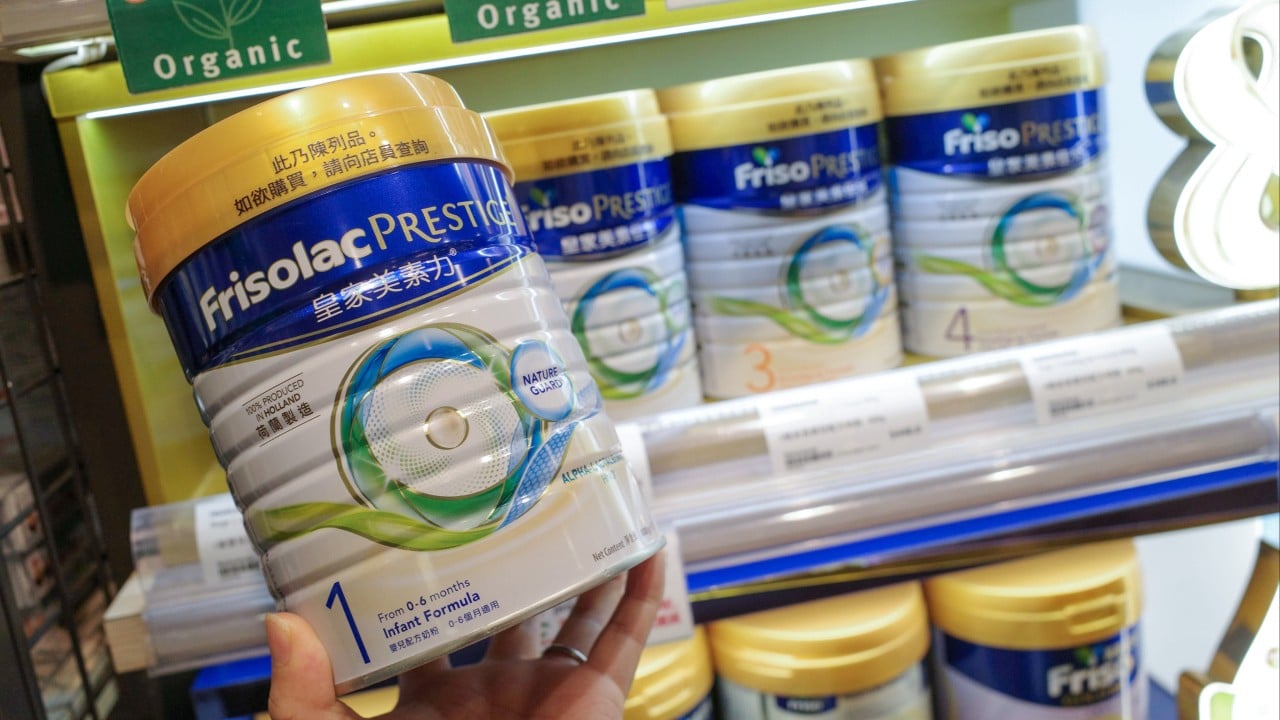
Consider a hypothetical mother named Carmen. She stands in a queue that snakes out onto the pavement, clutching a blue plastic shopping basket in one hand and a half-empty tin of powdered milk in the other. She is twenty-nine years old, her eyes rimmed with the exhaustion of a parent who spent the entire night reading local forums on her phone. Every parent in this line shares the exact same expression: a tight, pale mask of vigilance.
Lead.
The word hangs in the morning air like smog. It is an invisible, tasteless intruder. When a headline broke warning families that routine checks had flagged potential heavy metal contamination in certain infant formula batches, the shockwave did not travel through financial markets. It traveled through nurseries. It rushed straight into the quiet spaces where warm bottles are prepared in the dim glow of a nightlight.
Fear is a physical weight. You feel it behind your ribs.
When Carmen finally reaches the pharmacy counter, she does not ask for the brand she has trusted for months. She points to a different tin, imports from Europe, double-checking the batch number against a screenshot saved in her camera roll. The pharmacist nods slowly, a silent acknowledgment of a shared crisis. Within hours, public health clinics across the city report an unprecedented surge of anxious parents carrying infants for blood screenings. Tiny fingers. Tiny arms. Tiny veins yielding tiny vials of blood to test for something that should never, under any circumstance, exist inside a developing human body.
To understand why this panic spreads with the speed of wildfire, you have to understand how a parent views an infant. An infant is not just a human being; they are a delicate, unfinished masterpiece. Their brains are building millions of neural connections every second. Their bodies are working overtime to turn milk into bone, muscle, and breath.
Lead does not care about any of this. Lead is a thief.
Imagine pouring a drop of dark, heavy oil into a clear, running stream. That is what heavy metals do to a child’s biology. Lead mimics calcium, slipping unnoticed through the body's natural defense barriers. It settles into the bones. It whispers poison into the nervous system. For a baby, whose developing brain absorbs up to five times more ingested lead than an adult's does, even trace amounts carry a devastating potential. It steals cognitive capacity, chips away at behavioral stability, and leaves invisible scars that no amount of medicine can entirely erase.
This is why parents do not wait for official government confirmation before they act. They cannot afford to wait. If you tell a parent that the water their child drinks might be tainted, they will stop drinking the water. If you tell them the air is thick, they will buy purifiers. And if you tell them that the basic nutritional building block of their child's existence—the formula meant to foster growth—might carry a hidden poison, they will empty their savings accounts to find a safer alternative.
The clinics filled up because trust is fragile.
In modern parenting, trust is the invisible scaffolding holding everything together. We live in a globalized supply chain where a mother in a high-rise apartment in Kowloon feeds her child milk powder manufactured thousands of miles away, processed in industrial plants she will never see, packaged by workers she will never meet. That entire multi-billion-dollar system relies on a single, sacred promise: First, do no harm.
When that promise cracks, the fallout is instantaneous.
Public health officials stepped forward with press conferences, charts, and reassuring statistics. They explained parts-per-billion metrics. They categorized acceptable thresholds versus dangerous exposure levels. But numbers on a slide deck do little to comfort a mother staring at her sleeping baby's chest rising and falling. Statistics are cold. Fear is hot. When the two collide, the public always listens to the fear first.
And for good reason. History has taught us that food safety scandals are rarely isolated accidents. They are usually symptoms of systemic blind spots. From melamine-laced milk decades prior to modern supply chain oversights, parents carry generational trauma. They remember the empty shelves. They remember the corporate apologies that arrived too late. Every new scare scratches at an old scab.
By afternoon, the queues outside the clinics shorten, but the tension remains suspended in the atmosphere. Carmen sits on a park bench, waiting for test results that will take days to process. Her infant daughter sleeps soundly in a stroller, completely oblivious to the weight of the world resting on her tiny shoulders.
Carmen opens her bag and looks at the new tin of formula she purchased. She turns it over, reading the fine print for the third time. She looks for country of origin seals, manufacturing codes, and safety certifications. She looks for certainty where none is guaranteed.
A breeze rustles the banyan trees above her. The city continues its relentless roar of traffic and commerce. But inside the quiet sanctuary of that stroller, a tiny life continues to grow, carrying the hopes of a family that will never look at a tin of milk the same way again.