Operational Breakdown: The Anatomy of a Dual-Pilot Incapacitation Event
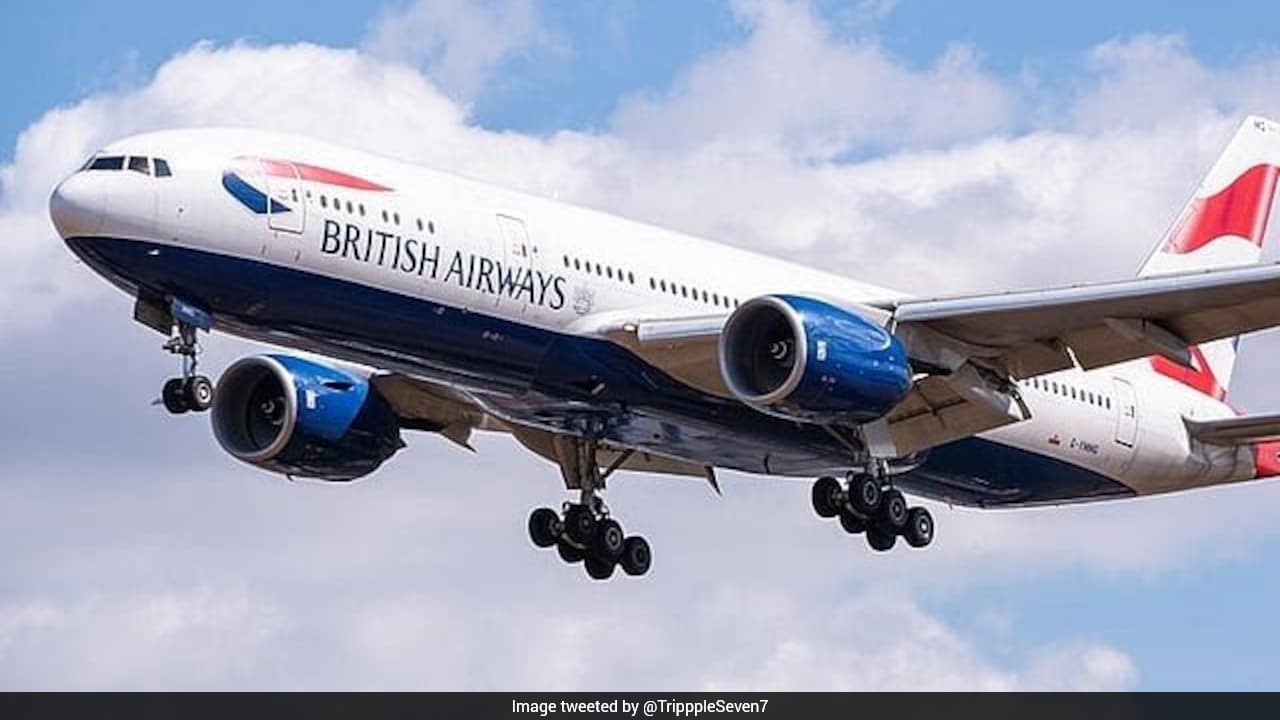
A commercial aviation safety failure rarely stems from a single isolated anomaly. When three British Airways flight crew members fell ill following a layover in Hyderabad, leading to mid-flight distress on the return sector to London Heathrow, the incident exposed systemic vulnerabilities across flight operations, catering biosecurity, and crew fatigue management.
Commercial flight operations rely on the assumption of crew redundancy. The primary risk mitigation against pilot incapacitation is the presence of a fully qualified monitoring pilot. When multiple crew members experience simultaneous or staggered physiological impairment mid-flight, the operational safety margin degrades from a deterministic, dual-redundant system to a probabilistic failure state. In other developments, read about: Stop Idealizing Wandering Travel Because It Is Ruining Your Trips.
The immediate threat vector in layover-associated illnesses divides into two primary mechanisms: acute foodborne toxicosis and environmental toxicant exposure. Understanding the operational impacts requires analyzing the exact vectors through which health degradation occurs, the regulatory protocols governing crew health, and the systemic failure points in layover risk management.
Biosecurity Vectors and Crew Risk Pathways
Flight crew health management on international layovers operates under a strict protocol designed to prevent single-point-of-failure contamination. The primary operational risk vectors fall into three distinct classifications: Condé Nast Traveler has also covered this fascinating issue in extensive detail.
- Asymmetrical Foodborne Contamination: Microbial ingestion (e.g., Salmonella, E. coli, Staphylococcus aureus enterotoxins) via non-standardized layover catering or local dining. The onset latency varies from 1 to 6 hours for pre-formed toxins, matching the operational timeline of an international long-haul return leg.
- Waterborne Pathogens: Contamination via municipal or hotel water supplies, affecting crew members during hydration, brushing teeth, or consuming ice.
- Aerotoxic and Cabin Air Impairment: Contamination of bleed air systems by synthetic jet engine oils or hydraulic fluids (fume events), causing neurological or respiratory distress among multiple flight deck members simultaneously.
The Meal Separation Fail-Safe
Standard operating procedures (SOPs) across major international carriers mandate that the Commander and the First Officer must not consume the same meal prior to or during a flight. Furthermore, meal consumption must be staggered by at least 30 to 45 minutes to ensure that if acute food poisoning occurs, onset happens in one pilot while the other remains fully capable of maintaining control of the aircraft.
[Layover Ingestion] -> [Latency Window: 1-6 Hours] -> [In-Flight Onset]
                                                              |
                                           +------------------+------------------+
                                           |                                     |
                             [Single Pilot Affected]              [Multi-Crew Onset]
                                           |                                     |
                                 [Standard SOP Handover]         [Mayday / Diversion Protocol]
The Hyderabad incident indicates a breakdown in this defensive architecture. When three crew members—potentially including both flight deck pilots and augmented crew members—suffer simultaneous or near-simultaneous symptoms, one of three failure modes has occurred:
- Protocol Non-Compliance: Crew members shared the same meal source, ordered identical dishes during layover dining, or consumed water from an unvetted source.
- Shared Vector Outside In-Flight Catering: Contamination occurred prior to boarding, such as during the hotel stay or transit, bypassing the in-flight meal separation protocol entirely.
- Environmental In-Cabin Contamination: The illness was not gastrointestinal but systemic, driven by environmental conditions within the aircraft envelope.
Physiological Degradation and In-Flight Operational Impact
Pilot incapacitation is classified into two distinct operational states: obvious incapacitation and subtle incapacitation. Obvious incapacitation (e.g., loss of consciousness, severe acute pain) is immediately recognized by the surviving crew, triggering standard emergency handovers. Subtle incapacitation—characterized by cognitive slowing, nausea, blurred vision, or impaired judgment—is significantly more dangerous.
Cognitive Load and Task Saturated Failures
During a multi-crew incapacitation event, the cognitive workload on the remaining healthy crew member increases exponentially.
Normal Operations:
[Pilot Flying: 50% Workload] <---> [Pilot Monitoring: 50% Workload]

Incapacitation Event:
[Single Pilot: 100% Flying + 100% Monitoring + Emergency Protocols = Task Saturation]
The remaining pilot must execute several high-stress tasks concurrently:
- Aviate, Navigate, Communicate: Maintain basic control of the aircraft, execute emergency altitude modifications if required, and declare a PAN-PAN or MAYDAY with Air Traffic Control (ATC).
- Cabin Crew Coordination: Communicate with the Senior Cabin Crew Member (SCCM) to assess available medical support in the cabin and manage incapacitated colleagues.
- Systems Management: Reconfigure environmental control systems (ECS) if a fume event is suspected, including donning quick-donning oxygen masks (100% oxygen under positive pressure).
- Diversion Decision Matrix: Calculate fuel burn, evaluate landing weight limits (potentially requiring fuel jettisoning), and select an appropriate en-route diversion aerodrome.
Regulatory and Carrier-Level Vulnerabilities
Aviation safety authorities—including the Civil Aviation Authority (CAA), the Federal Aviation Administration (FAA), and the European Union Aviation Safety Agency (EASA)—impose strict medical standards under Class 1 medical certification. However, regulatory frameworks rely heavily on self-reported fitness for duty prior to flight release.
The Duty-To-Report Bottleneck
Under Commercial Air Transport (CAT) regulations, a pilot is legally obligated to declare themselves unfit to fly if they experience any medical impairment that could compromise flight safety. However, several operational friction points disincentivize early self-reporting during layovers:
- Out-of-Base Logistical Friction: Declaring unfit at an outstation (e.g., Hyderabad) creates severe logistical disruption for the airline, requiring short-notice crew positioning, hotel extensions, and passenger delays. This creates implicit professional pressure on crew members to tough it out if symptoms appear mild prior to departure.
- Biphasic Onset Discrepancies: Pathogens that exhibit a delayed or biphasic onset allow crew members to feel temporarily recovered during pre-flight preparation, only for severe symptoms to re-emerge during the cruise phase when cabin altitude changes (cabin pressure equivalent to 6,000–8,000 feet) accelerate physiological stress.
Operational Audit Matrix: Layover Health Risk Management
To prevent multi-crew incapacitation events, airlines must move from reactive investigations to proactive risk management frameworks. The following matrix outlines the required operational controls across the layover lifecycle:
| Phase | Vulnerability Point | Standard Operating Control | Advanced Risk Mitigation |
|---|---|---|---|
| Pre-Layover | Station-specific water/food risks | Generic destination advisories | Real-time biosecurity threat intelligence feeds per outstation |
| Layover Stay | Hotel catering and ice supply | Hotel audit guidelines | Mandatory vetted-dining lists and bottled-water-only protocols |
| Pre-Flight Duty | Asymptomatic / Latent Pathogens | Self-declaration fit-to-fly checklist | Mandatory physiological check (vitals/hydration) for long-haul sectors |
| In-Flight | Simultaneous meal contamination | Strict meal separation SOPs | Time-staggered meal consumption (minimum 45-minute window) |
| Emergency | Multi-pilot incapacitation | Single-pilot emergency checklist | Automated flight-deck emergency descent and auto-land capabilities |
Strategic Play: Redefining Outstation Risk Protocols
Airlines must treat outstation layover health with the same rigorous, data-driven security architecture applied to aircraft maintenance and flight planning. Relying on basic individual meal separation rules is insufficient when the contamination vector occurs during the layover window prior to airport arrival.
- Contractual Catering and Hotel Biosecurity Audits: Implement mandatory, third-party microbiological auditing of all contracted layover hotels and ground catering facilities in high-risk geographic regions. Hotels failing hygiene thresholds must be delisted immediately.
- Mandatory Outstation Pre-Flight Hydration and Health Protocols: Establish a strict, non-punitive outstation fitness declaration system. If a crew member experiences gastrointestinal distress within 12 hours of departure, automatic replacement protocols must trigger without requiring management escalation or imposing performance penalties.
- Integration of Flight Deck Environmental Sensors: Deploy real-time particulate and chemical sensors within the flight deck ECS lines to instantly differentiate between biological illness and toxic fume/aerotoxic events, eliminating diagnostic delay during mid-flight emergencies.