The rain in Toronto does not care about municipal bylaws, foreign capital flows, or the frantic arithmetic happening inside cramped rental kitchens. It simply falls, plastering gray pavement against gray shoes, slicking the glass of high-rise balconies that glow empty against the dusk.
Up there, a few hundred feet above the street, lights remain dark for months at a stretch. Down here, on the damp sidewalk, a young couple stands under a single frayed umbrella, scrolling through listings on a cracked phone screen. They are looking at apartments they cannot afford, praying for a market correction that feels less like a statistical trend and more like a weather pattern: indifferent, heavy, and entirely out of their control.
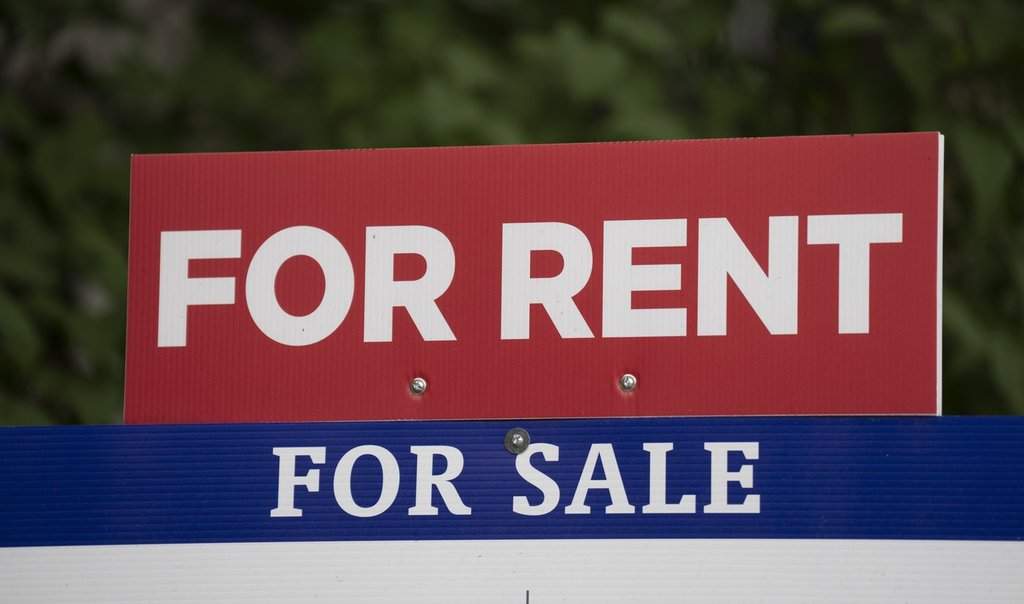
For the past couple of years, a temporary legal wall stood between them and the global tide of real estate speculation. Ottawa drew a line in the sand. It said, essentially, that houses are for people who sleep in them, not safety deposit boxes for overseas billionaires.
Now, that wall is shivering.
Federal ministers are sitting behind mahogany doors in parliamentary offices, weighing their options as the foreign home buyer ban inches toward its expiration date. The policy was never a silver bullet. It was a tourniquet. And as politicians look at sluggish housing starts, sputtering economic growth metrics, and pressure from real estate lobbies, the temptation to loosen the tourniquet grows dangerously strong.
To understand why this matters, you have to abandon the spreadsheets. You have to step into the shoes of someone trying to build a life in a country where the baseline cost of shelter has detached entirely from local wages.
Consider a hypothetical buyer named Maya. She is thirty-four, works as an occupational therapist, and has saved diligently for a decade. By every metric of the twentieth century, Maya should be able to buy a modest townhouse with a small patch of grass where a dog might one day run.
Instead, Maya is trapped in the rental treadmill. Every time her rent climbs, her savings goal recedes further into the fog. When the foreign buyer ban was first enacted, Maya felt a fleeting, irrational spike of hope. She thought the rules of the game might finally favor the person actually playing on the field, rather than the spectator wiring funds from across an ocean.
That hope was always fragile. The ban came with exceptions, loopholes, and exemptions that kept the machinery of luxury real estate humming. But it sent a psychological signal. It suggested that shelter had a social contract attached to it.
Now, as cabinet ministers whisper about recalibrating the ban to appease economic anxieties, that signal is shifting again. The message returning to the surface is blunt: capital has no passport, but ordinary citizens have to live with the local consequences.
Housing markets do not exist in a vacuum. When real estate transforms from a human necessity into a high-yield global asset class, the mathematics of everyday existence fracture. Prices decouple from local incomes. Service workers are pushed further and further into suburban fringes, clogging highways with three-hour commutes. Hospitals struggle to retain nurses and technicians because those professionals cannot find a roof within an hour of their shift. Schools see enrollment drop in urban cores as family-sized apartments are replaced by tiny investment units optimized for short-term rentals or vacant holding patterns.
When policymakers debate whether to extend or dissolve the ban, they frame it as a delicate balancing act. They talk about economic growth, foreign investment confidence, and trade relationships. These are real concerns. Money makes the wheels turn. Construction requires capital. Municipal budgets rely on development fees.
Yet there is a human cost to these technocratic equations that rarely makes it onto a balance sheet. It is measured in deferred families. It is measured in the quiet desperation of adults living with their parents well into their thirties. It is measured in the erosion of trust between a generation and the state.
When a government signals that global wealth takes precedence over local stability, something breaks in the civic fabric. People stop believing in the future. They stop investing in community because they feel like tenants in a casino they never bought a ticket for.
The federal government now faces a stark choice. Do they extend the guardrails, acknowledging that a crisis of shelter requires sustained, systemic intervention? Or do they yield to the lobbying pressure of developers and financial institutions who argue that foreign capital is the only engine powerful enough to jumpstart stalled housing construction?
The argument from the pro-relaxation camp sounds pragmatic on paper. They point out that foreign buyers accounted for a relatively small percentage of total transactions even before the ban. They argue that stopping foreign money did not magically make homes affordable. Both points are historically accurate.
But they miss the forest for the trees. The ban was never just about the sheer volume of properties bought by non-residents. It was about sentiment. It was about drawing a bright ethical line in a market that had lost its mind. It was a statement of intent: We see you, Maya. We see your struggle. We know this ground is sacred.
To roll back that protection now, without a massively aggressive alternative strategy to flood the market with affordable, non-market housing, is to invite a return to the feeding frenzy. It tells the world that Canadian real estate is once again open for wholesale extraction.
Back on the Toronto sidewalk, the rain picks up. The couple under the umbrella finally gives up on the screen, lowers their arms, and starts walking toward the subway station. They do not talk about municipal policy. They do not talk about gross domestic product or foreign direct investment flows.
They talk about whether they should move to a smaller city three hours away, abandoning their aging parents and their established networks, just to have a shot at a front door with their own name beside the bell.
That is the choice sitting on the minister's desk. Not a line item in a quarterly economic report. Not a diplomatic talking point.
Just a door. And whether it swings open for the world, or stays locked for the people standing in the rain.