Every diplomatic desk in Washington, Tehran, and Muscat is currently obsessing over a seductive fantasy. The lazy consensus dominating international relations commentary is simple: Oman is floating a genius bureaucratic workaround. By proposing a maritime fee or toll structure within the Strait of Hormuz, the narrative goes, negotiators can somehow bypass the intractable nuclear deadlock, inject cash into a collapsing Iranian economy, and secure a diplomatic off-ramp for the Joint Comprehensive Plan of Action or whatever remains of it.
It is a neat, tidy theory. It is also completely detached from reality.
I have spent years watching diplomats try to monetize geopolitical choke points to solve ideological standoffs. It never works. Treating the Strait of Hormuz like a toll road managed by a coalition of convenience ignores the fundamental mechanics of energy markets, maritime law, and the zero-sum nature of the Iranian regime's strategic calculus. The idea that a bureaucratic fee schedule can bridge a nuclear impasse is not just naive. It is a dangerous distraction that treats a fundamental security crisis like a municipal parking dispute.
The Flawed Premise of Transactional Diplomacy
The primary fallacy driving the Hormuz fee proposal is the belief that Tehran’s primary motivation for pursuing a nuclear capability is economic desperation. Mainstream analysts look at sanctions-battered Iran, look at the billions of barrels of crude flowing past Musandam, and assume a simple equation: give them access to transit revenues, and they will happily trade enrichment centrifuges for cash flow.
This logic completely misreads the ideology of the Islamic Republic.
Nuclear enrichment is not a line item on a spreadsheet for hardliners in Tehran. It is the ultimate sovereign insurance policy. They watched what happened to Muammar Gaddafi when he surrendered his unconventional weapons programs. They watched what happened to Ukraine when it traded away its nuclear arsenal for a piece of paper. No amount of transit fees or revenue-sharing proposals mediated by Muscat will convince the Islamic Revolutionary Guard Corps to abandon the crown jewel of their deterrence architecture.
When you frame a proliferation crisis as an accounting problem, you guarantee your own failure.
The Maritime Nightmare No One Wants to Model
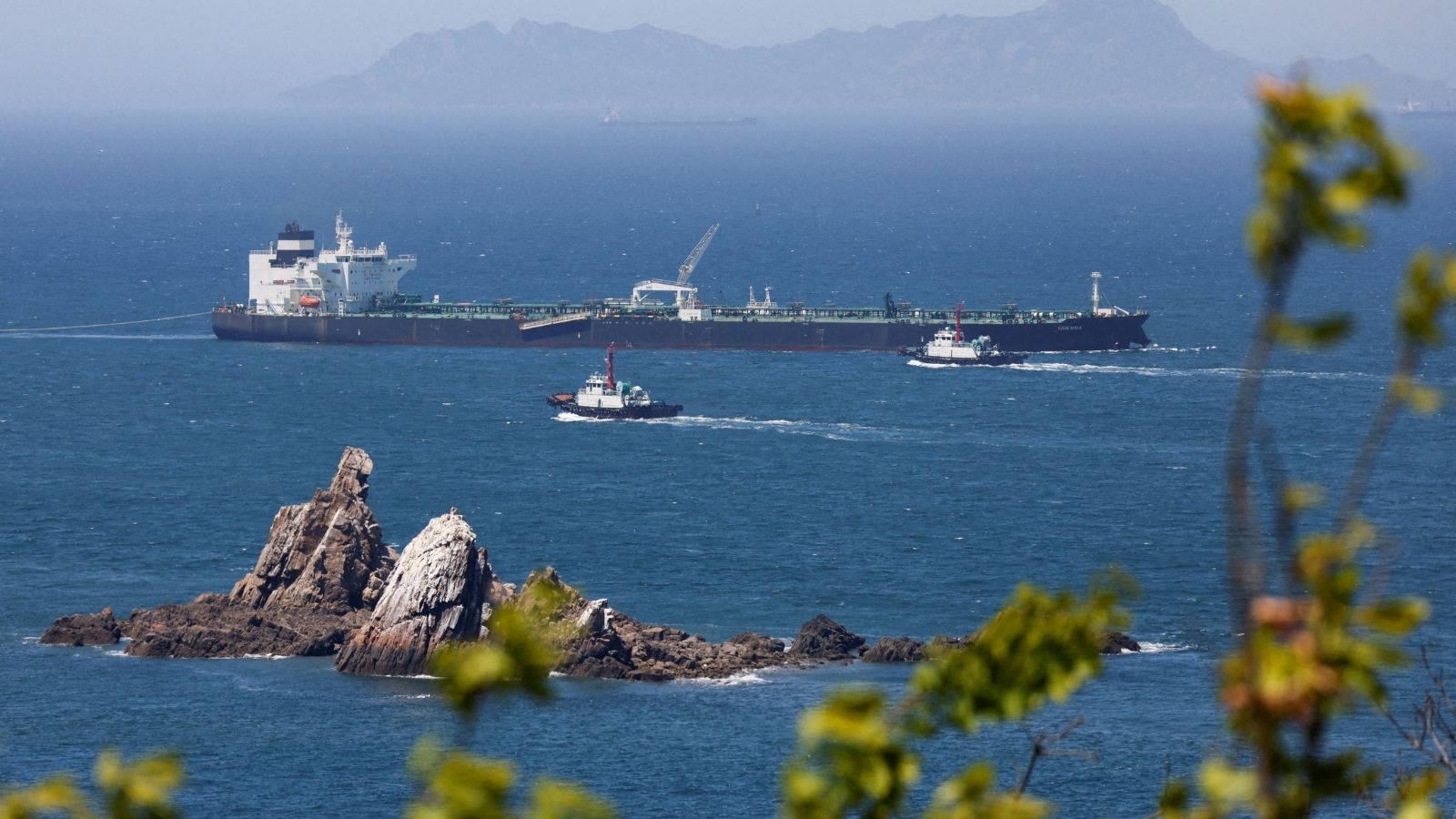
Imagine a scenario where Oman actually codifies a transit fee for vessels navigating the Strait of Hormuz. Strip away the diplomatic spin and look at the physical mechanics. Roughly twenty percent of the world's petroleum supply passes through a shipping channel that narrows to two miles wide in either direction.
Who enforces this fee? Oman does not possess the naval projection to police the entirety of the strait. Tehran does. If Iran becomes the operational collector or primary beneficiary of this maritime levy, you have effectively institutionalized a legalized extortion racket endorsed by international law.
Insurance underwriters would have a collective aneurysm. War risk premiums, already volatile based on tanker seizures and drone strikes, would spike to astronomical levels. Shippers would not see a clever diplomatic breakthrough; they would see a state-sanctioned shakedown that raises the cost of moving Middle Eastern crude to global markets.
The market response would be immediate and brutal. Higher transit costs do not incentivize peace; they punish global consumers while lining the pockets of the exact security apparatus the West is trying to contain.
The Misunderstood Role of Muscat
Oman plays a vital, irreplaceable role as the perennial diplomat of the Gulf. Their foreign ministry operates with a level of discreet professionalism that few nations can match. But there is a massive difference between acting as a neutral postal box for messages between Washington and Tehran and engineering a structural redesign of international shipping corridors.
Oman survives by maintaining equidistant neutrality between Saudi Arabia, Iran, and Western powers. Pushing a high-stakes commercial proposal through the Hormuz chokepoint forces Muscat out of its comfort zone of quiet mediation and onto the front lines of maritime enforcement.
The Omani leadership knows this. The leaked or floated proposals are often trial balloons designed to test American resolve or buy time for domestic political cycles. Treating them as a serious roadmap to break the nuclear deadlock mistakes a diplomatic gesture for a strategic solution.
What The P5 Plus One Gets Wrong About Leverage
Western negotiators suffer from a persistent psychological bias. They assume that if they pile enough clever, multifaceted proposals onto the table, the other side will eventually surrender out of sheer exhaustion.
This ignores how Tehran views leverage. To the Iranian negotiating team, a fee proposal isn't a compromise; it is an admission of Western weakness. If the United States and its European allies are willing to entertain creative mechanisms that funnel revenue streams past existing sanction frameworks just to get back to the negotiating table, Tehran smells blood in the water.
True leverage in this context is absolute, unambiguous deterrence combined with economic containment. The moment you start bargaining over the administration of a global energy chokepoint to save a dying nuclear agreement, you hand the initiative entirely to the party that cares less about the economic cost and more about ideological victory.
The Real Agenda Behind The Headlines
Why won't pundits let this narrative die? Because simple stories sell better than messy, unresolved conflicts. Admitting that the nuclear deadlock is structural, permanent, and impervious to clever bureaucratic tweaks requires a level of foreign policy realism that makes think-tank panels uncomfortable.
It is much easier to invent a creative scenario involving Omani mediation and maritime fees than it is to look policymakers in the eye and say the words nobody wants to hear: there is no diplomatic rabbit left to pull out of this hat.
If you want to understand what happens next in the Persian Gulf, stop looking at innovative fee proposals and start watching centrifuge cascades, uranium stockpiles, and regional proxy networks. That is where the actual game is being played.
The next time you read an op-ed claiming that a regional transit tax is the secret key to unlocking non-proliferation compliance, ask yourself one question: who benefits from you believing that fantasy?
It certainly isn't global security. It's the people who want you to look away from the failure while the clock keeps ticking.