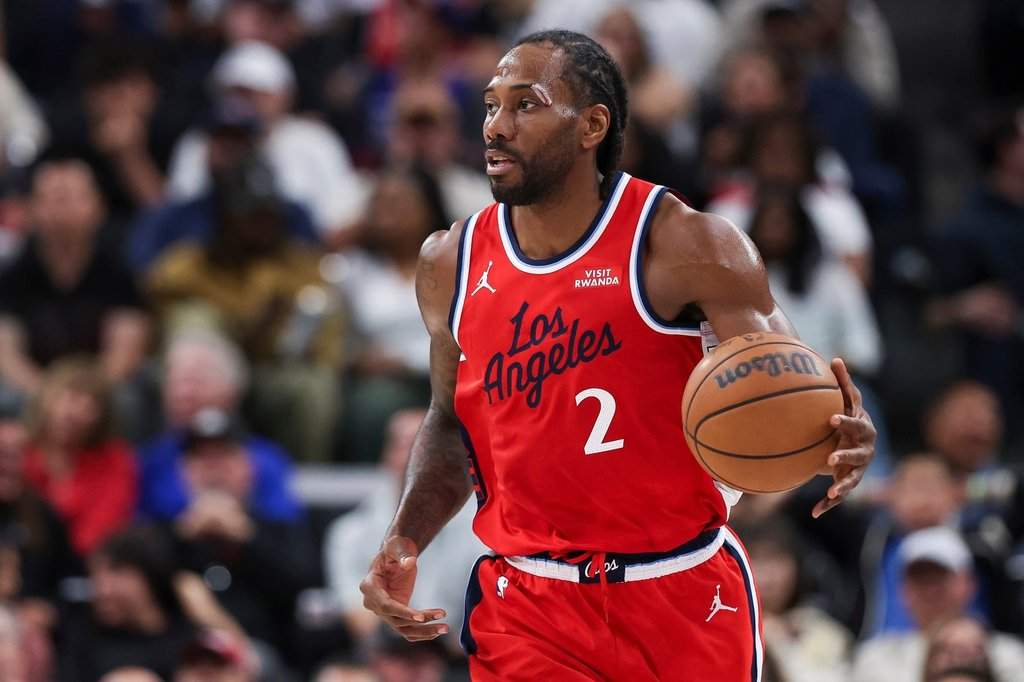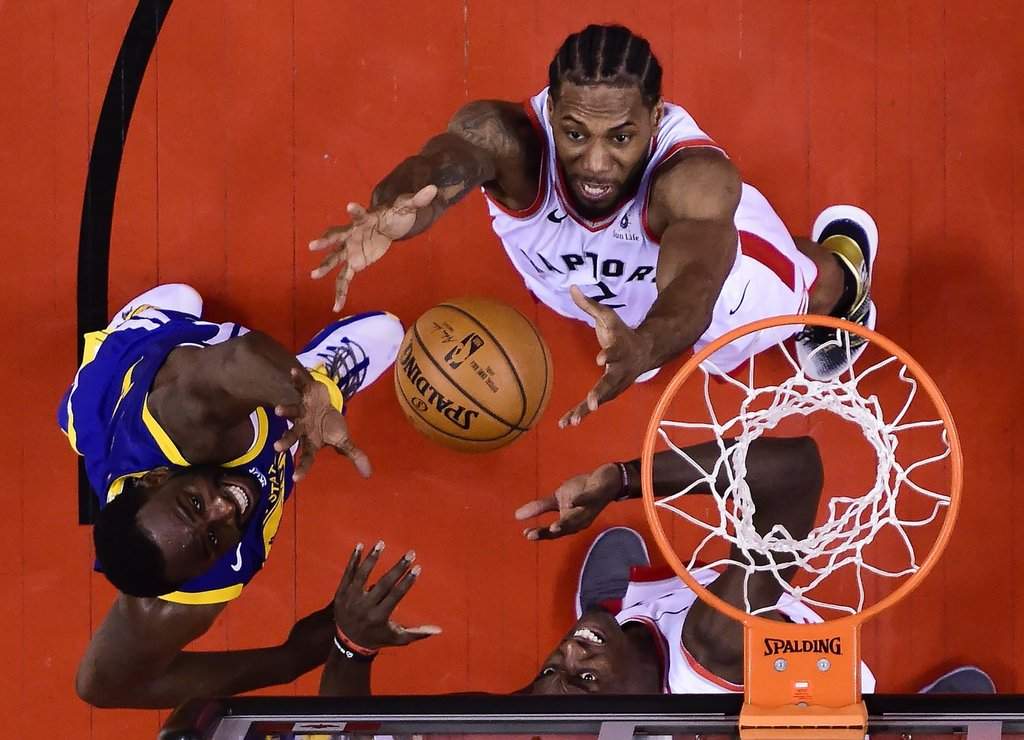
Every conventional sports timeline written about Kawhi Leonard’s return to Toronto frames it as a heartwarming homecoming. The narrative writes itself: a prodigal son returns seven years after a championship banner, a city welcomes back its silent assassin, and everyone pretends the intervening years of load management, playoff collapses, and front-office desperation never happened.
It is a comforting fantasy. It is also an absolute lie about how modern basketball franchises operate. You might also find this related story interesting: The Mechanics of Sustained Contention in Modern Baseball.
I have watched front offices blow tens of millions of dollars and mortgage half a decade of draft capital chasing the high of past magic. The lazy consensus surrounding the Raptors trading for Leonard—giving up assets like Gradey Dick and Brandon Ingram while absorbing chronic knee questions—treats emotional resonance as a cap-space asset. It assumes that capturing lightning in a bottle once means you can stick your hand in the socket a second time and expect a different result.
Let us define terms precisely. A championship window built on an aging star with a degenerative tendinopathy isn't a window. It is a skylight during a category-five hurricane. When the Raptors swung the deal that brought Leonard back to Scotiabank Arena, the media painted it as an act of competitive boldness. I call it what it is: administrative nostalgia fueled by panic. As extensively documented in latest articles by ESPN, the results are widespread.
The historical revisionism around 2019 ignores the structural anomalies that made that single magical season possible. San Antonio was forced to trade a disgruntled superstar under unique duress, Toronto had a complete, defensively suffocating roster built by Masai Ujiri that only lacked a closer, and Leonard was entering his late twenties. None of those variables apply today. Expecting a repeat of history while ignoring structural aging curves is like buying a lottery ticket because you won twenty bucks on one five years ago.
Look at the ledger. Leonard has missed stretches of the current season with lingering knee swelling, forcing the organization into weekly status updates that have become all too familiar to anyone who watched his LA Clippers tenure. The romanticized timeline ignores the harsh math of availability. In the NBA, the best ability isn't top-tier talent; it's being on the floor for sixty-five games. When you trade core assets for a player whose medical chart requires a theological expert rather than a trainer, you aren't contending. You are gambling with the franchise's future solvency.
The counter-intuitive truth that nobody in sports media wants to admit is that the Raptors should have let the ghost of 2019 rest in peace. Championships are monuments, not blueprints. By trying to recreate a historical anomaly, the front office handcuffed its timeline to an era that expired the moment Leonard boarded a flight to Los Angeles in July 2019.
Stop romanticizing the reunion. Start looking at the balance sheet.