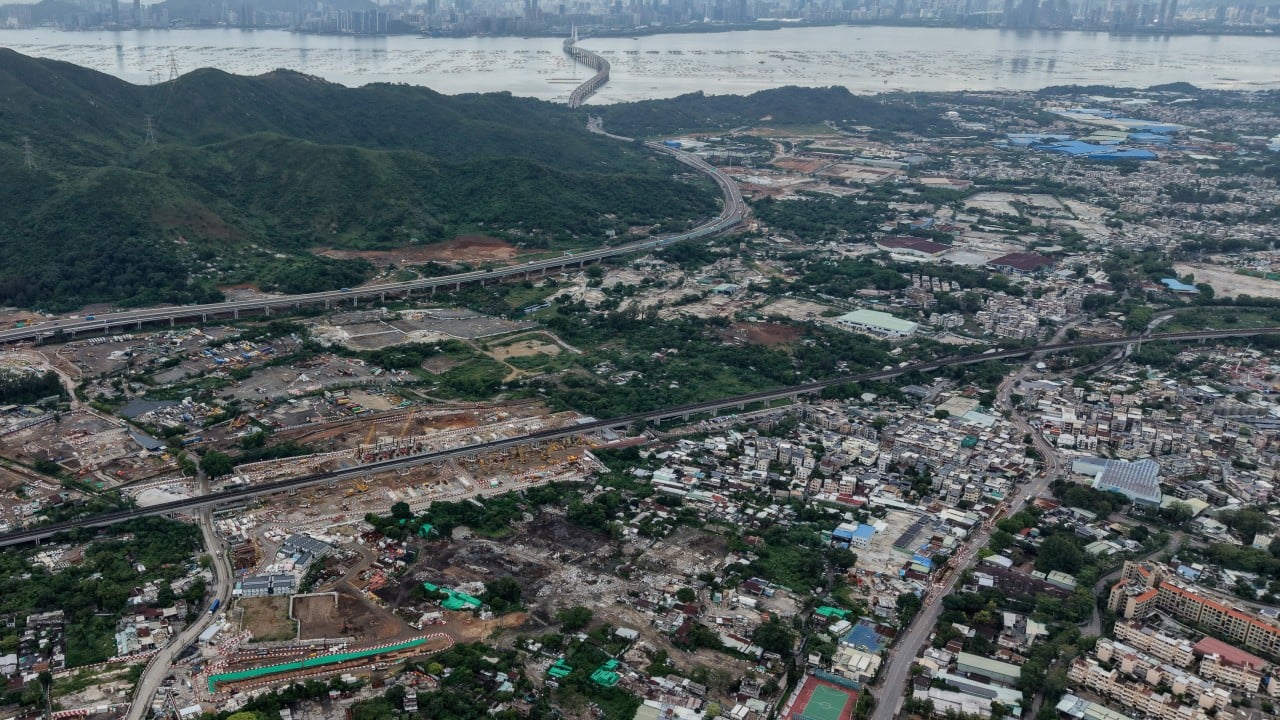
The narrative sounds compelling on paper. Carve out a massive swath of land near the Shenzhen border, brand it as an innovation and international education hub, and watch as schools, training institutes, and EdTech firms pack up their Central addresses for cheaper pastures up north.
The Northern Metropolis will not strip Hong Kong’s Grade A office sector of its core educational tenants. Commercial landlords in core business districts can breathe a sigh of relief. The underlying mechanics of how private education providers lease space reveal a market driven by prestige, proximity to wealth, and student demographics that a frontier mega-project cannot instantly replicate.
The Geography of Tuition and Prestige
Education leasing in core commercial districts is not an accident of history. It is a calculated strategy rooted in how families consume private education.
Private schools, continuing education centers, test-preparation powerhouses, and executive training academies rely heavily on convenience. A corporate executive squeezing in a Mandarin or finance module after work does not commute to the New Territories at eight o'clock at night. A wealthy parent shuttling a child to an elite tutorial center expects accessibility via multiple MTR lines converging in Admiralty, Causeway Bay, or Central.
Centralized Grade A towers offer a stamp of institutional legitimacy. When a high-end educational provider rents a floor in a prime tower, that address forms part of its marketing pitch. Shifting operations to an embryonic district across the border trades that immediate brand equity for promises of future infrastructure.
What the Northern Metropolis Actually Changes
The government's push to establish university towns and designated education zones in the Northern Metropolis is real, but it serves a entirely different ecosystem. The vision targets tertiary institutions, research facilities, vocational training bodies, and student accommodation that require vast footprints—land plots impossible to secure in core urban zones.
Building a campus requires acres. Renting a corporate training suite requires thousands of square feet. These two requirements occupy completely different universes in commercial real estate.
A university expanding its research lab or student dormitories will look toward the New Territories or mainland-adjacent zones because urban core rents make large-scale campus development economically impossible. Meanwhile, a private commercial institute targeting working professionals or affluent local families will stay anchored where the wealth concentrates. One does not cannibalize the other because they do not fish in the same pond.
The Grade A Office Reality Check
Hong Kong’s prime office market operates under unique pressures. High vacancy rates and correction cycles in rental values have occasionally forced landlords to look beyond traditional financial services and law firms for occupancy. Education tenants, with their stable cash flows and willingness to sign multi-year commitments, have emerged as attractive occupants for commercial towers struggling to maintain occupancy.
Landlords in core districts are adjusting terms to keep these tenants in place. When a commercial landlord faces a vacant floor, negotiating a pragmatic rent with an established education provider beats waiting indefinitely for a multinational bank that may never arrive. Consequently, the pricing gap that might otherwise push tenants northward narrows considerably once lease incentives and fit-out periods enter the equation.
Furthermore, educational setups in commercial buildings involve heavy capital expenditure. Acoustic insulation, specialized HVAC zoning for heavy occupancy, compliance with fire safety regulations for assembly spaces—these investments run into millions of dollars. Once an institute builds out a prime facility in Tsim Sha Tsui or Wan Chai, the sunk cost acts as an anchor. Moving across the border just to capture marginal savings on base rent makes little financial sense once amortization schedules are factored in.
The Demographic Gravity Well
Population distribution remains the ultimate arbiter of commercial leasing success. While the Northern Metropolis aims to house hundreds of thousands of residents over the coming decades, current urban density remains heavily skewed toward the traditional metro area and Hong Kong Island.
Private education thrives on dense, affluent catchment areas. The demographic clusters capable of sustaining premium-fee educational services reside within easy reach of the existing urban cores. Until the Northern Metropolis evolves from a construction blueprint and early-stage development into a self-sustaining economic engine with its own mature wealth clusters, private educational operators view it as an expansion frontier rather than a relocation destination.
Commercial leasing patterns are stubborn things. They follow capital, convenience, and culture rather than government blueprints alone. Educational tenants will certainly occupy spaces in the Northern Metropolis, but those spaces will serve the specific institutional needs of the new zone rather than draining the lifeblood from the established commercial towers of Victoria Harbour. The two markets will coexist, serving entirely different masters across an invisible line of convenience and cost.