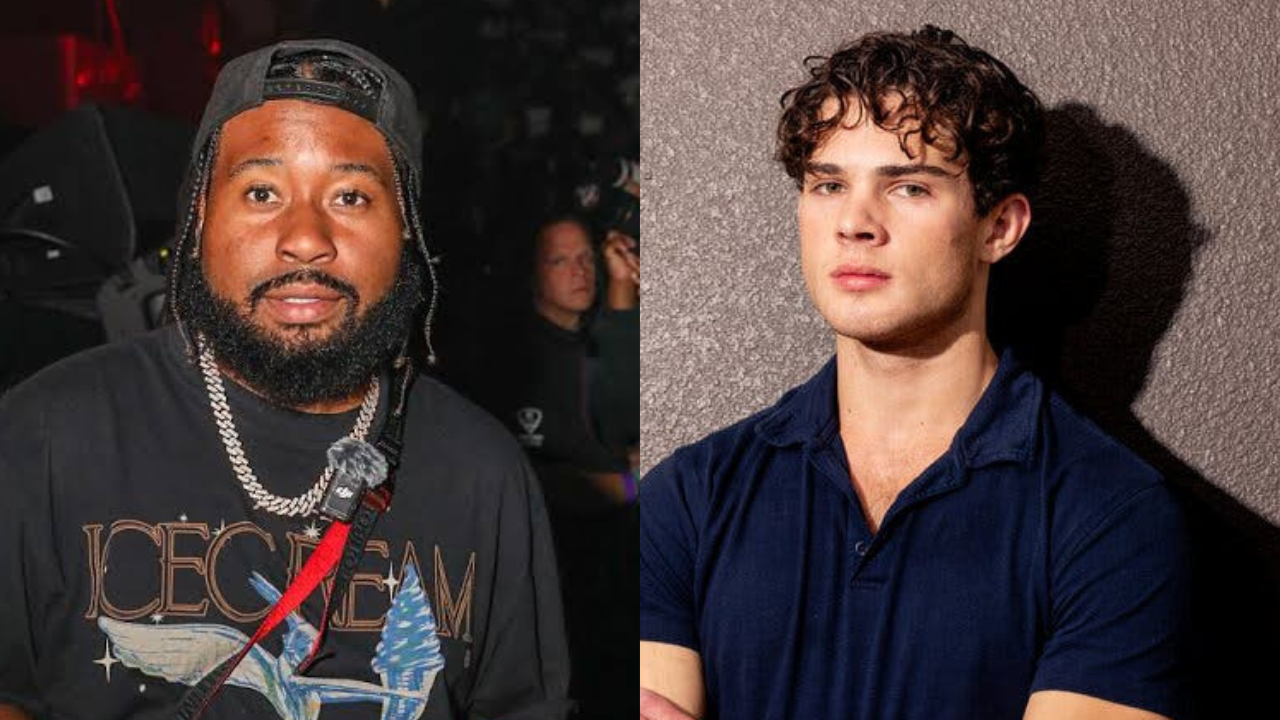
The internet is currently hyperventilating over a leaked video of a nightclub confrontation involving DaBaby. Commentators like DJ Akademiks are rushing to their webcams to dissect the footage, claiming this moment exposes a "bigger problem" regarding artist security, entourage culture, and the creeping dangers of nightlife interactions.
They are missing the entire point.
The commentators, the blogs, and the outraged fans are viewing this through the lens of a PR disaster. They see a breakdown in protocol. In reality, these chaotic, shaky-cam club altercations are not bugs in the modern celebrity ecosystem; they are features. The lazy consensus insists that public brawls ruin brands and threaten longevity. The data shows otherwise. In the attention economy, high-stakes friction is a premium currency, and the outrage machine surrounding these incidents is a highly lucrative, self-sustaining business model.
The Myth of the Broken Brand
Mainstream media pundits love to play the role of the worried corporate advisor. They claim that high-profile altercations alienate corporate sponsors and tank streaming numbers. This view is stuck in 2005.
Look at the actual mechanics of the music industry today. Algorithms do not care about ethics; they care about engagement. When an artist trends for a nightclub confrontation, every single metric spikes. Search volume skyrockets. Old music videos get algorithmic boosts. Social media impressions hit peak velocity.
For an independent or transitioning artist, raw visibility frequently outweighs the clean, sterilized image required by traditional corporate brands. The modern audience sniffs out sanitized PR campaigns and rewards raw, unscripted chaos. A club scrap confirms authenticity in a market that trades heavily on a rugged, anti-establishment persona. To say these fights are a failure of management is to misunderstand how modern notoriety is monetized.
Dismantling the Expert Commentary
Commentators like Akademiks build their entire platforms by acting as amateur forensic scientists for street drama. They zoom in on pixelated footage, judge the reaction time of security guards, and lecture multi-platinum artists on logistical safety.
This analysis relies on a flawed premise: that these situations are entirely accidental breakdowns of order.
Having spent over a decade analyzing entertainment contracts and media rollouts, I have watched publicists and managers quietly celebrate the exact incidents they publicly condemn. Let’s look at the underlying mechanics of celebrity club appearances:
- The Venue Guarantee: Nightclubs pay premium appearance fees specifically because they want the volatile energy that a major artist brings. A quiet, orderly night where everyone sips sparkling water does not make the local blogs.
- The Entourage Dynamic: An artist's circle is frequently criticized for escalating tension. Yet, that exact protective volatility is what maintains the artist's street credibility, which directly fuels their core demographic's loyalty.
- The Content Cycle: A thirty-second clip generates millions of views, which are then analyzed by creators, creating a secondary wave of media coverage that keeps the artist's name in the headlines for weeks without a single dollar spent on marketing.
To fixate on the security failure is to look at the spark while ignoring the engine. The engine runs on friction.
The Cost of the Contrarian Approach
Let’s be entirely transparent about the downside of this reality. Operating in the friction economy is high-risk, high-reward.
The obvious danger is physical harm. No amount of algorithmic lift can compensate for a severe injury or legal catastrophe. Furthermore, this strategy creates a ceiling for certain types of mainstream commercial viability. You will not see an artist fresh off a viral club brawl landing a family-friendly shoe deal or a primetime television hosting gig.
But here is the trade-off: attempting to force a raw, counter-culture figure into a squeaky-clean corporate box kills the very essence of what made them successful in the first place. When an artist attempts to appeal to everyone, they usually end up appealing to no one. Embracing the chaos, while dangerous, preserves the core brand equity that a loyal fan base demands.
Stop Asking How to Stop It
The public constantly asks variations of the same question: "Why can't these artists hire better security and avoid these venues?"
The question itself is broken. It assumes the goal of the celebrity is peace and quiet. If a rap artist wanted absolute safety, they would stay in a gated mansion in Hidden Hills and stream on Twitch. They go to the clubs because the club is the arena. It is where the brand is tested, displayed, and renewed.
If you want to understand the entertainment business, stop listening to the moral panic of talking heads who profit from the outrage. The confrontation isn't a sign that the industry is broken. It is proof that the attention machine is working exactly as intended.
Turn off the commentary. Stop analyzing the footage. The fight wasn't a mistake; it was the marketing campaign.