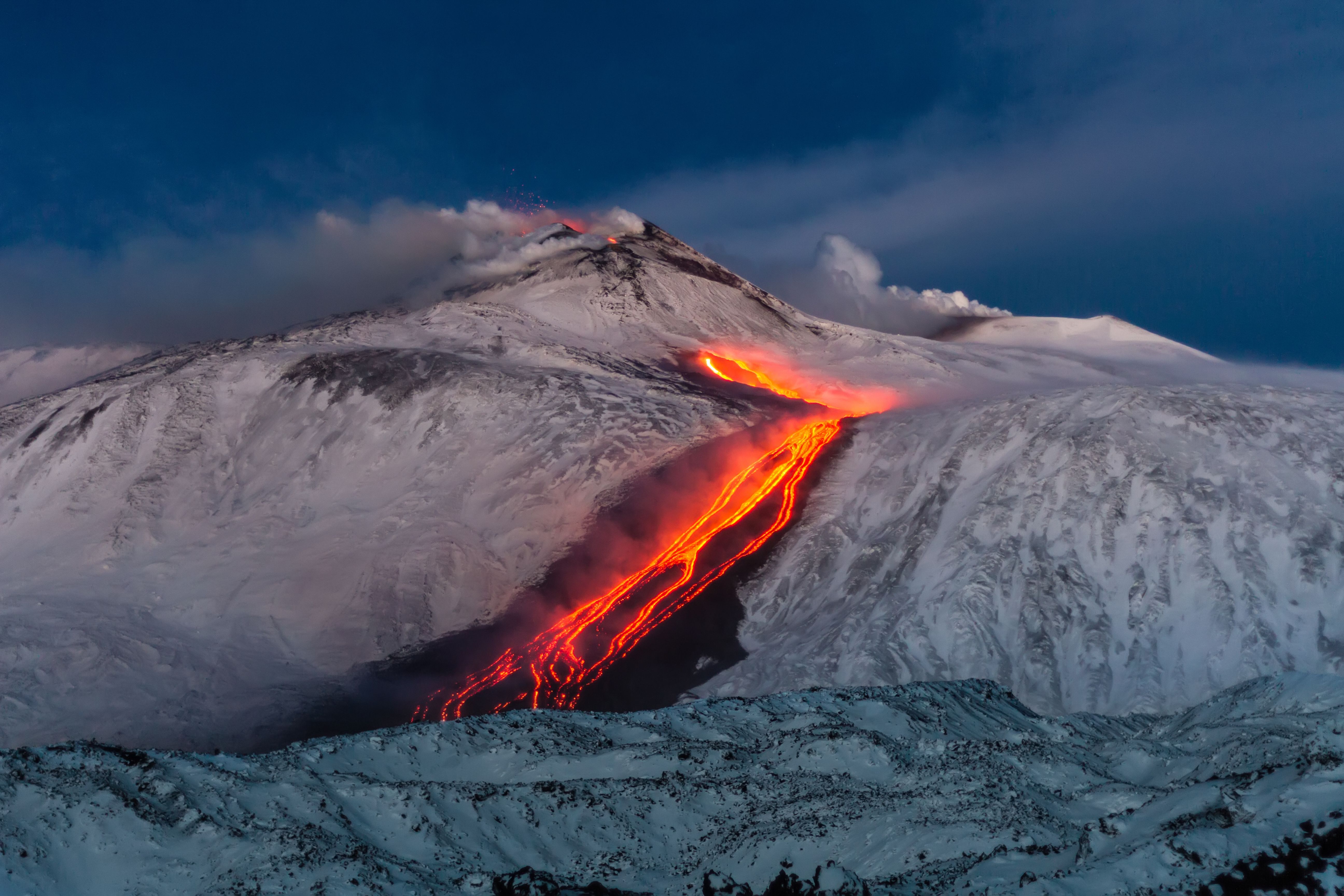
The air in Crimea usually smells of salt spray and the faint, dusty scent of cypress trees. It is an ancient smell, one that has outlasted empires. But in the early hours of Monday morning, near the port city of Feodosia, that ancient scent was obliterated by the sharp, chemical stench of burning hydrocarbons.
Imagine a night shift worker—let’s call him Viktor—standing on a balcony a few miles from the oil terminal. He is smoking a cigarette, watching the dark expanse of the Black Sea. The world is silent, save for the rhythmic pulse of the waves. Then, a low hum begins. It is a mechanical, persistent drone that vibrates in the teeth. Before Viktor can even process the sound, the horizon splits open.
A flash. A roar. And suddenly, the darkness is replaced by a towering, wobbling pillar of orange light.
This wasn't a random accident or a structural failure. It was the result of a calculated strike by Ukrainian long-range drones, aimed squarely at the jugular of the Russian military machine. The Feodosia terminal isn't just a collection of tanks; it is a vital organ in the logistics of the ongoing war, a massive filling station for the Black Sea Fleet and the mechanized units holding the southern front. When it burns, the heat is felt far beyond the shoreline.
The Physics of a Modern Siege
Warfare has moved away from the clatter of swords and even the thunder of traditional artillery. Today, it is a game of caloric math. An army is a beast that eats diesel. Without it, the most advanced T-90 tank is nothing more than a very expensive, very heavy lawn ornament.
The drones used in this attack are often humble machines. They are constructed from carbon fiber, plywood, and off-the-shelf electronics. They move slowly, plodding through the air at speeds a vintage propeller plane would find embarrassing. Yet, they possess a terrifying kind of persistence. They are programmed to find the gaps in sophisticated radar nets, hugging the terrain, whispering past multi-million dollar S-400 missile systems that were designed to shoot down supersonic jets, not flying lawnmowers.
When a drone hits an oil reservoir, the chemistry of destruction takes over. These tanks hold thousands of tons of refined fuel. Once the skin of the tank is breached and an ignition source—the drone’s payload—is introduced, a "boil-over" becomes a looming threat. The fire feeds on the oxygen, creating its own weather system. Black soot, heavy and greasy, begins to rain down on the surrounding neighborhoods.
The Invisible Stakes for the Shoreline
For the people living in Feodosia, the "strategic significance" of a terminal strike is a distant concept. Their reality is immediate and visceral.
Authorities quickly declared a state of "technogenic emergency." It is a cold, bureaucratic term for a very human panic. It means the water might be contaminated. It means the air is no longer safe to breathe for the elderly or the very young. It means that while the fires rage, the ordinary rhythms of life—going to the market, walking the dog, opening a window—are suspended.
More than 300 people were evacuated from the areas nearest the blaze. Picture the scene: families waking up to the sound of sirens, shoving documents and pets into cars, looking back to see the sky glowing a bruised, unnatural purple. They are the collateral of a conflict that increasingly targets the infrastructure of daily life.
The terminal at Feodosia is the largest of its kind on the peninsula. By striking it, Ukraine isn't just trying to stop a single convoy of tanks. They are trying to create a systemic collapse. If you can't store fuel, you can't move fuel. If you can't move fuel, your entire occupation becomes static. Brittle.
A War of Attrition in the Clouds
There is a grim irony in the way these attacks are reported. Official Russian channels often claim that all incoming drones were "intercepted" or "suppressed by electronic warfare." They speak of "falling debris" causing fires.
But debris doesn't typically create a blaze that can be seen from space.
The truth is found in the satellite imagery and the shaky cell phone videos filmed by locals. It shows a series of precise hits. The "debris" narrative is a psychological shield, an attempt to maintain the illusion of an impenetrable sky. But the sky is porous. The drones are cheap, and the targets are stationary, massive, and highly flammable.
This is the new face of the siege. In the Middle Ages, you starved a city by surrounding its walls. In 2024, you starve a military by burning its gas stations from 500 miles away.
The Heavy Toll of the Morning After
As the sun rose over Crimea, it struggled to pierce through the thick, oily plume rising from the port. The fire wasn't out. These kinds of industrial blazes can last for days. They require specialized foam, thousands of gallons of water, and firefighters who are willing to stand in the shadow of a potential explosion.
For the Russian Ministry of Defense, the math is getting harder. Every tank destroyed at a terminal is a tank that won't make it to the front lines in Donetsk or Zaporizhzhia. It forces a redistribution of air defense assets, pulling launchers away from the trenches to protect the rear. It creates a "whack-a-mole" scenario where the holes in the defense are more numerous than the plugs available.
For the observer, it’s easy to get lost in the maps and the casualty counts. But look closer at the smoke over Feodosia.
It represents the end of the "safe harbor" myth. It is the physical manifestation of a war that has refused to stay within its designated boundaries. The fire at the oil terminal is a signal fire, an amber warning that in modern conflict, the most vital targets aren't always the soldiers, but the pipes and tanks that keep them moving.
Viktor, still on his balcony, watches the helicopters drop water on the inferno. The cigarette is long gone. The salt air is gone. There is only the heat, the soot, and the realization that the front line has finally come to his doorstep.
The flames eventually die down, but the soot remains, staining the white walls of the seaside villas. It is a smudge on the landscape that won't easily wash away, a reminder that the fuel of war burns everyone it touches.