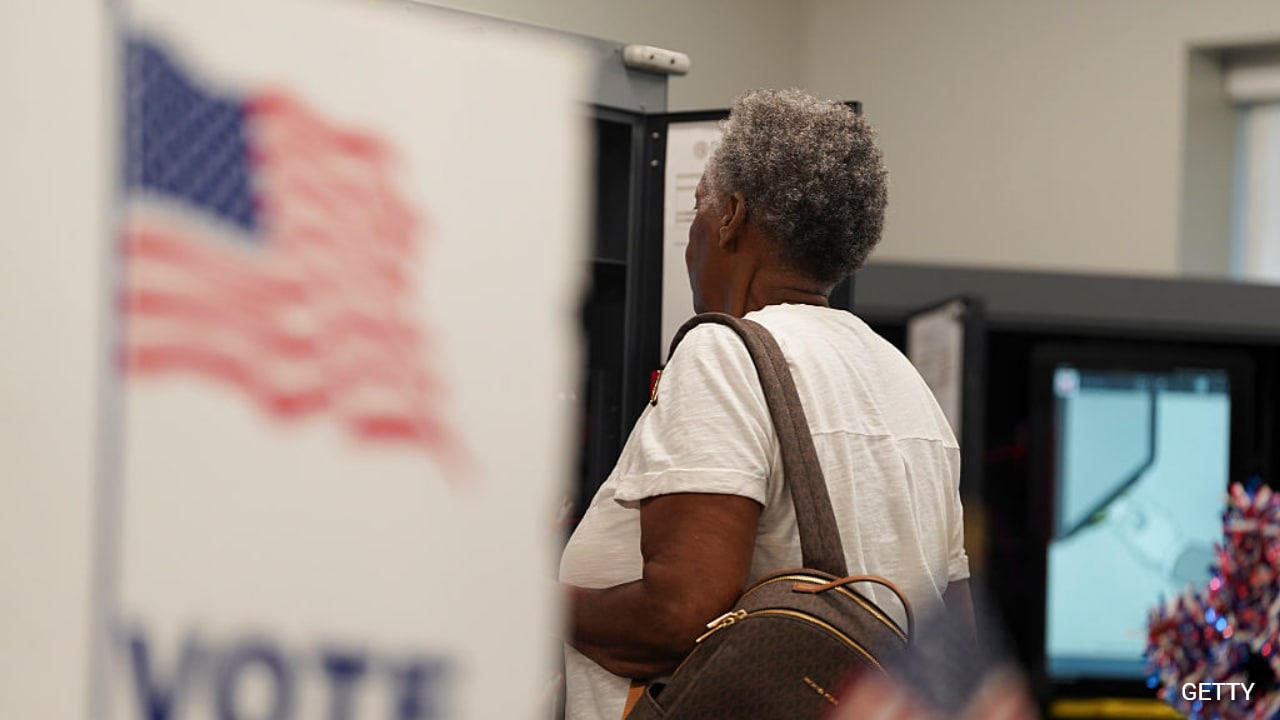
In a dimly lit processing plant outside Philadelphia, paper slides across a conveyor belt at twenty miles an hour. It is a whisper of heavy stock paper, crisp and square. To an automated sorter, it is just an item measuring 4.125 by 9.5 inches, weighed to the fraction of an ounce. But inside that paper rectangle sits a marked choice—a vote cast by an eighty-two-year-old retired machinist who can no longer stand in line for three hours on a chilly Tuesday morning.
Every election cycle, millions of these thin paper envelopes pass through the sprawling blood vessels of the United States Postal Service. Most people think of the post office as a static institution, a background noise of blue trucks, junk mail coupons, and late bills. We take for granted the miracle that a piece of paper dropped into a box in rural Oregon can land on a clerk’s desk in Florida forty-eight hours later. You might also find this related story useful: Why the US Temple Attack Plot Exposes a Blind Spot in Extremism Tracking.
When election season arrives, that quiet system turns into a pressure cooker.
Consider a hypothetical voter named Elena. She lives in a small town in Pennsylvania, works two jobs, and raises her grandson. For Elena, mail-in voting isn't a political statement or a modern luxury. It is her only access point to democracy. If her ballot sits in a processing center for twelve hours too long, her voice is muted for the next four years. Multiply Elena by tens of millions across every state, and the postal grid becomes the most critical infrastructure in the nation. As reported in recent reports by The Guardian, the results are significant.
To handle this avalanche, postal leadership quietly puts into motion what they call special measures. It sounds corporate. It sounds cold. Behind that bureaucratic label lies a massive, high-stakes operational sprint.
The Clock That Never Stops
During an election period, standard postal protocol changes. Efficiency usually dictates that mail is sorted in bulk, held until trucks reach capacity, and moved along strict, cost-effective schedules.
During the midterms, those rules vanish.
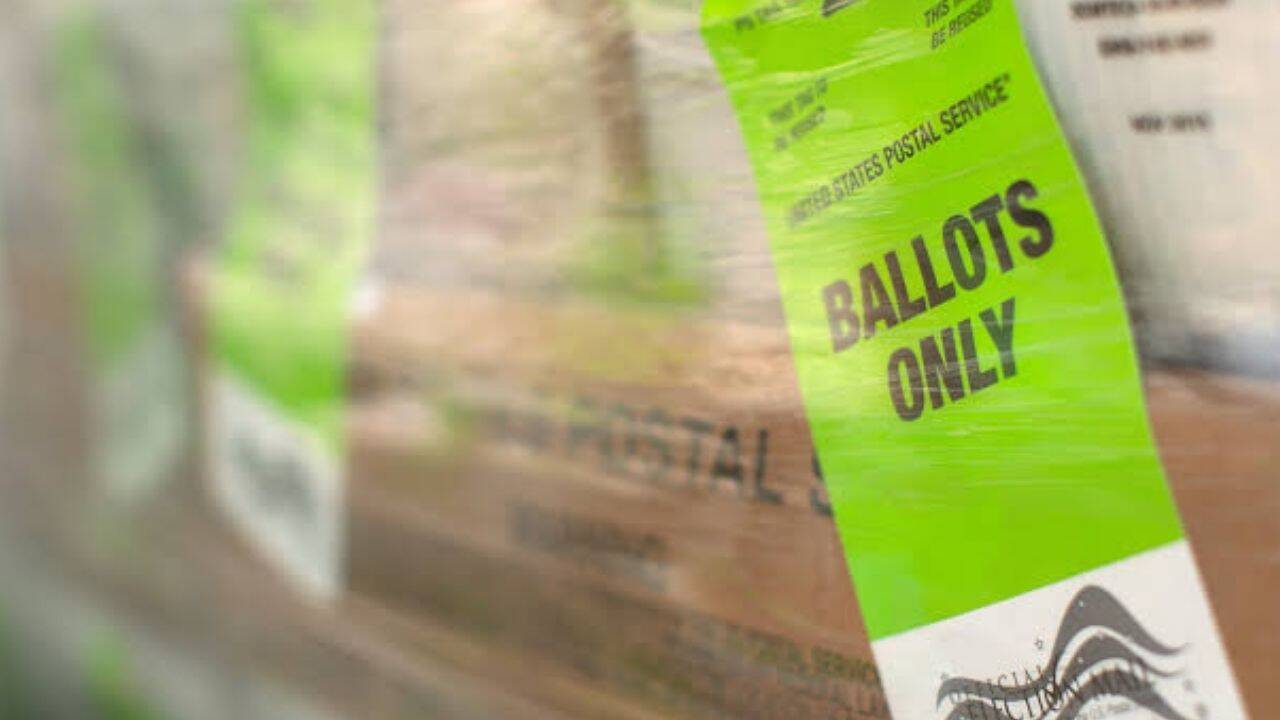
Ballots are pulled from the regular stream. They are tagged with distinctive green labels—known inside the service as Tag 191—which act as a bright neon sign to every worker on the line. When a worker sees that green marker, normal processing priority drops away. That item moves first.
Extra processing trips are added. Sorting machines run through the night. Postmasters implement daily facility sweeps, physically walking every square foot of distribution centers to ensure no ballot is left sitting in a hamper or tucked inside an idle bin. In the final days leading up to Election Day, the operation shifts into overdrive: post offices begin using Express Mail networks for ballots that might otherwise arrive late, bypassing standard transit legs entirely.
It is a logistics heavy-lift, but it is also intensely human.
Picture a postal worker named Marcus in Detroit. It is 2:00 AM on the Sunday before Election Day. His eyes are tired, his coffee is cold, and he has processed thousands of pieces of mail since his shift began. He steps up to a sorting rack, his hand reaching for a stack of envelopes. There, tucked at the back of a canvas bin, is a single green-tagged envelope. He picks it up, inspects the postmark date, and carries it by hand to the expedite tray.
Marcus doesn't know who voted on that piece of paper. He doesn't know their political party, their background, or their story. All he knows is that this specific piece of paper is a sacred trust. If he does his job right, no one will ever know his name. If he fails, a citizen's fundamental right vanishes quietly into the ether.
The Anatomy of Trust Under Fire
Why do these extraordinary steps matter so deeply right now?
Trust in public institutions has worn thin over the past decade. Skepticism runs hot on every side of the political aisle. When a voter drops their ballot into a blue collection box, they are taking an act of faith. They trust that the lock on the box is secure, that the driver who collects it is honest, that the sorting plant won't misplace it, and that the carrier will deliver it to the county election board before the legal deadline.
The logistics are staggering. A typical midterm election involves hundreds of millions of pieces of election mail—ballot applications, voter guides, actual mail-in ballots, and official confirmations. Managing that volume while maintaining absolute security requires an extraordinary level of rigor.
Every step has a paper trail. Every transfer point requires verification. When special measures are active, local postal facilities establish direct lines of communication with local election officials. Instead of waiting for regular morning deliveries on Election Day, postal drivers make dedicated, last-minute runs straight to election offices to hand-deliver every remaining ballot collected that morning.
It is easy to get lost in the numbers, the logistics tables, and the policy announcements. We talk about processing capacity, transit times, and postmark deadlines as if they are abstract mathematical puzzles. But strip away the operational terminology, and you are left with something fundamental: a commitment to ensure that distance, disability, work schedules, or age do not strip a citizen of their vote.
The Quiet Triumph of the Blue Truck
On the afternoon of Election Day, as the sun begins to dip low and poll workers prepare for the final evening rush, a blue delivery van pulls up to a county clerk's office. The driver steps out, grabs a sealed tray from the back, and walks inside.
Inside that tray are forty-three ballots. They were mailed from senior centers, working-class neighborhoods, college dorms, and rural farms. Some were posted days ago; others were dropped off at a post office counter just hours earlier.
The clerk signs the manifest. The driver nods, turns around, and walks back out to the truck. There are no cameras there to capture the moment. No press conferences are held on the steps of the building. The driver gets back behind the wheel, turns the key, and drives off toward the next route.
The machinery of democracy is not just made of marble columns, debate stages, and grand speeches. Most of the time, it is made of canvas bags, rubber bands, sorting trays, and tired people working through the night to make sure your voice arrives right on time.