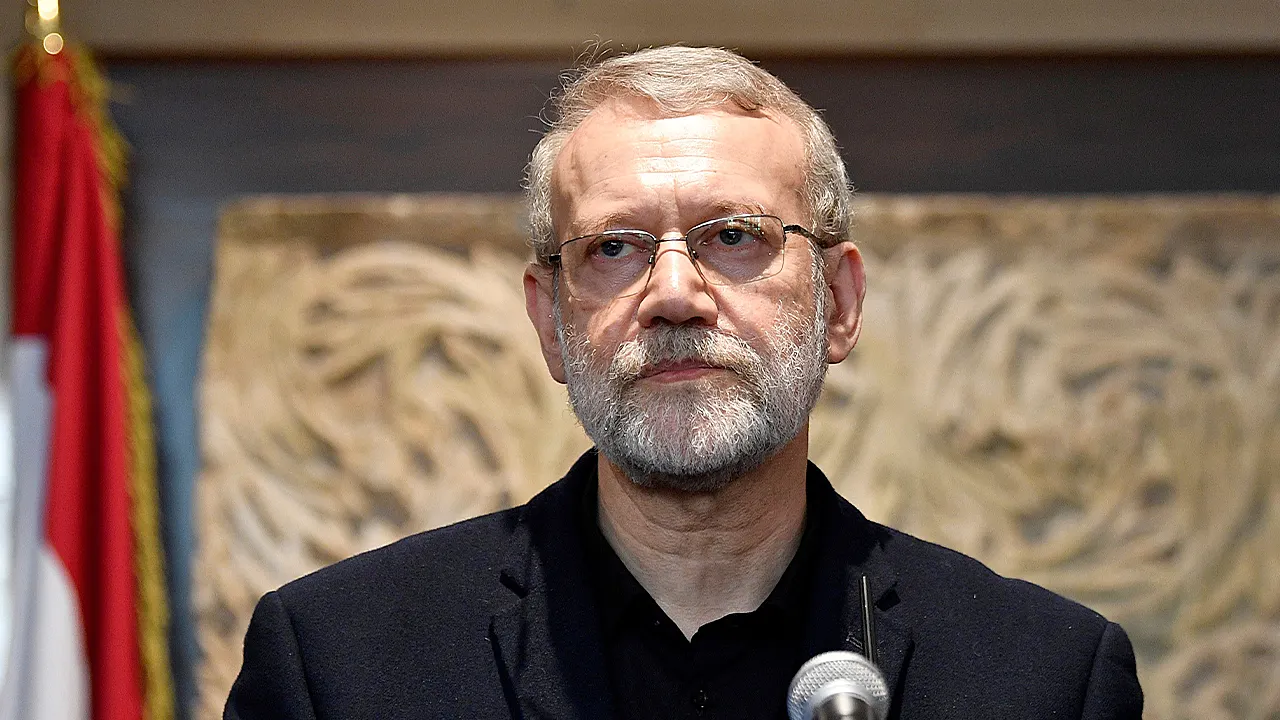
President Bola Tinubu is heading to London. This isn't just another diplomatic photo op or a quick stopover at a luxury hotel. It's the first official state visit by a Nigerian leader to the United Kingdom since 1989. Let that sink in for a second. The last time this happened, the Berlin Wall was still standing and Margaret Thatcher was in Downing Street. For thirty-five years, the relationship between these two nations has been coasting on "business as usual" while the rest of the world moved on.
This visit signals a massive shift. It tells us that both Abuja and London realize they can't afford to ignore each other anymore. Nigeria is grappling with a brutal currency crisis and an ambitious reform agenda, while the UK is desperately hunting for post-Brexit partners who actually have growth potential. You're looking at a high-stakes play for investment, security, and a redefined partnership that actually means something in 2026. For an alternative view, check out: this related article.
Why it took thirty five years to get back to a State Visit
State visits are the highest form of diplomatic honor. They involve the full red carpet, a banquet at Buckingham Palace hosted by the King, and a level of ceremony that regular "working visits" just don't touch. Since General Ibrahim Babangida went in '89, the relationship has been complicated. We’ve seen periods of sanctions during military rule, followed by a democratic era where the UK seemed more interested in lecturing Nigeria than partnering with it.
The long gap wasn't an accident. It reflected a UK foreign policy that often looked toward Europe or the US, treating Africa as a region for "aid" rather than "trade." Meanwhile, Nigeria started looking East. China moved in with massive infrastructure loans. India became Nigeria’s top buyer of crude oil. The UK became a place where Nigerian elites sent their kids to school or bought property, but it stopped being the primary engine for Nigeria’s economic future. Further reporting regarding this has been provided by NBC News.
Tinubu’s arrival changes the math. He’s pushing a "Nigeria is open for business" narrative, despite the pain his reforms have caused at home. For King Charles III and Prime Minister Keir Starmer, welcoming Tinubu with full honors is a public admission that the UK needs Nigeria’s market as much as Nigeria needs British capital.
The economic elephant in the room
Let’s talk about the money. Nigeria’s economy is in a transitional, often painful, state. The removal of the fuel subsidy and the floating of the Naira have sent inflation through the roof. Most Nigerians are feeling the squeeze every time they go to the market. Tinubu needs a win. He needs to show that his "Renewed Hope" agenda can actually attract the kind of foreign direct investment (FDI) that creates jobs.
The UK remains one of the largest investors in Nigeria, but the competition is fierce. British firms like Shell and Unilever have been part of the Nigerian fabric for decades, yet some are scaling back or changing their business models due to the volatile exchange rate. This visit is about stabilization.
Expect heavy talk regarding the Enhanced Trade and Investment Partnership (ETIP) signed recently. This isn't just paperwork. It’s designed to break down barriers in legal services, financial markets, and the creative economy. Nigeria has a massive youth population that is tech-savvy and obsessed with British culture. From Afrobeats dominating London charts to fintech startups in Lagos using British law as their framework, the synergy is already there. The government just needs to stop getting in the way.
Security and the migration headache
You can't have a conversation between Lagos and London without talking about "Japa." The migration of Nigerian doctors, nurses, and tech talent to the UK is a double-edged sword. For the UK, it’s a lifeline for the NHS. For Nigeria, it’s a brain drain that’s becoming unsustainable.
Tinubu and Starmer will likely dance around this carefully. The UK wants to curb illegal migration while keeping the door open for skilled workers. Nigeria wants better treatment for its citizens abroad and more support for security at home. The Sahel region is a mess. With coups in neighboring countries and the persistent threat of insurgency in the North, Nigeria is the only thing standing between relative regional stability and total chaos.
British military assistance has been consistent, but it’s often felt like a drop in the bucket. This state visit provides the platform for a more serious security pact. We’re talking about intelligence sharing and hardware that actually helps Nigeria secure its borders and the Gulf of Guinea. Without security, all the talk about "investment" is just hot air.
Beyond the Palace banquets and gold carriages
It’s easy to get distracted by the pageantry. Yes, there will be carriages. Yes, there will be tiaras. But the real work happens in the side rooms of Whitehall and the boardrooms of the City of London.
Nigeria is trying to position itself as a global player. It wants a permanent seat on the UN Security Council. It wants to be the leader of the African Continental Free Trade Area (AfCFTA). To do that, it needs the UK to stop seeing it as a former colony and start seeing it as a peer.
The UK is also recalibrating. Post-Brexit Britain has struggled to find its feet. It needs high-growth markets. Nigeria, with a population projected to overtake the US by 2050, is the definition of high growth. If British companies don't get in now, they’ll be sidelined by companies from the UAE, Turkey, and Brazil who aren't afraid of a little volatility.
What this means for the average person
If you’re a Nigerian business owner, this visit might actually lead to easier credit lines or smoother export processes to the UK. If you’re a British investor, it’s a signal that the "political risk" of Nigeria is being managed at the highest levels.
But don't expect overnight miracles. A state visit is a catalyst, not a finished product. It sets the tone. It tells the bureaucrats in both countries that they have permission to be bold.
The success of this trip won't be measured by the quality of the dinner at the Palace. It’ll be measured by whether the British government finally eases visa restrictions for legitimate Nigerian business travelers and whether British banks stop treating every Nigerian transaction like a suspicious activity report.
Watch the joint statements closely. Look for specific commitments on climate finance and the energy transition. Nigeria has some of the world’s largest gas reserves. The UK wants to move away from Russian energy forever. The math is simple, even if the politics are hard.
Moving the needle on trade
To make this visit worth the taxpayer money, the focus has to stay on three specific areas.
First, the removal of double taxation. It sounds boring, but it’s the single biggest hurdle for medium-sized companies trying to operate in both countries. If you're taxed twice, you don't invest. Period.
Second, the "mutual recognition" of professional qualifications. If a Nigerian architect or lawyer can have their credentials recognized more easily in the UK—and vice versa—the flow of services will explode.
Third, the creative economy. Nigeria’s film and music industries are global powerhouses. London is the global hub for media finance. A formal co-production treaty could funnel millions into Nigerian studios while giving British distributors first dibs on the next global hit.
This visit is a chance to stop living in the past. 1989 is a long time ago. The world has changed. Nigeria is no longer just a source of raw materials, and the UK is no longer the center of the world. They need each other in a way that is pragmatic, unsentimental, and focused entirely on the future.
Track the follow-up meetings between the Nigerian Ministry of Industry, Trade and Investment and the UK Department for Business and Trade. Those meetings will tell you if the momentum from the state visit is being sustained or if it’s just going to be another thirty-year wait for the next invite. Check the official UK government portal for updates on the ETIP implementation stages to see if these high-level promises actually turn into law.